Balkinization
an unanticipated consequence of
Jack M. Balkin
Balkinization Symposiums: A Continuing List
E-mail:
Jack Balkin:
jackbalkin at yahoo.com
Bruce Ackerman
bruce.ackerman at yale.edu
Ian Ayres
ian.ayres at yale.edu
Corey Brettschneider
corey_brettschneider at brown.edu
Mary Dudziak
mary.l.dudziak at emory.edu
Joey Fishkin
joey.fishkin at gmail.com
Heather Gerken heather.gerken at yale.edu
Abbe Gluck abbe.gluck at yale.edu
Mark Graber
mgraber at law.umaryland.edu
Stephen Griffin
sgriffin at tulane.edu
Jonathan Hafetz
jonathan.hafetz at shu.edu
Jeremy Kessler
jkessler at law.columbia.edu
Andrew Koppelman
akoppelman at law.northwestern.edu
Marty Lederman
msl46 at law.georgetown.edu
Sanford Levinson
slevinson at law.utexas.edu
David Luban
david.luban at gmail.com
Gerard Magliocca
gmaglioc at iupui.edu
Jason Mazzone
mazzonej at illinois.edu
Linda McClain
lmcclain at bu.edu
John Mikhail
mikhail at law.georgetown.edu
Frank Pasquale
pasquale.frank at gmail.com
Nate Persily
npersily at gmail.com
Michael Stokes Paulsen
michaelstokespaulsen at gmail.com
Deborah Pearlstein
dpearlst at yu.edu
Rick Pildes
rick.pildes at nyu.edu
David Pozen
dpozen at law.columbia.edu
Richard Primus
raprimus at umich.edu
K. Sabeel Rahmansabeel.rahman at brooklaw.edu
Alice Ristroph
alice.ristroph at shu.edu
Neil Siegel
siegel at law.duke.edu
David Super
david.super at law.georgetown.edu
Brian Tamanaha
btamanaha at wulaw.wustl.edu
Nelson Tebbe
nelson.tebbe at brooklaw.edu
Mark Tushnet
mtushnet at law.harvard.edu
Adam Winkler
winkler at ucla.edu
Compendium of posts on Hobby Lobby and related cases
The Anti-Torture Memos: Balkinization Posts on Torture, Interrogation, Detention, War Powers, and OLC
The Anti-Torture Memos (arranged by topic)
Recent Posts
Religion and politics
![[Powered by Blogger]](https://lh3.googleusercontent.com/blogger_img_proxy/AEn0k_un_4pYS0v-SxWFdlHLZ1JcL-VanaFhHqdK6zysTY4RBXs6ZyZUDkfP53hKbaiaYQroGjEdxk4imqCwxn1Jk228csSahdkp8ou09zX1dY3N=s0-d)
Just A Few Blogs
ACS Blog
Alas, a Blog
Althouse
Arts and Letters Daily
Atrios (Eschaton)
Bill of Health
Buzzflash.com
Buzz Machine
Cato at Liberty
Juan Cole (Informed Comment)
Concurring Opinions
The Constitution in 2020
Corrente
Crooked Timber
Daily Howler
Daily Kos
Dana Boyd
Brad DeLong
Digby (Hullabaloo)
Discriminations
Daniel Drezner
Kevin Drum (Mother Jones)
Electrolite
En Banc
Eunomia (Daniel Larison)
Fafblog
Michael Froomkin (Discourse.net)
GovLab (Beth Noveck)
Rick Hasen (Election Law)
History News Network
How Appealing
Ignatz (Sam Heldman)
The Importance of (Ernie Miller)
Infolaw
Instapundit
International Economic Law and Policy Blog
IntLawGrrls
Jacob Levy
Jesus' General
Jurisdynamics
The Kitchen Cabinet
Mark Kleiman
Law Blog Central
Larry Lessig
Lawyers, Guns and Money
Liberal Oasis
Brian Leiter's Law School Reports
The Leiter Reports
Marginal Revolution
Megan McArdle
Memeorandum
Metafilter
Mirror of Justice
The New Republic
Newseum
No More Mister Nice Blog
Brendan Nyhan
Opinio Juris
Orcinus
The Originalism Blog
Pandagon
Passport (Foreign Policy)
Overcoming Bias
Political Animal (Washington Monthly)
Political Theory Daily Review
Political Wire (Taegan Goddard)
The Poor Man
Virginia Postrel
Prawfsblawg
Public Reason
Jonathan Rauch
Raw Story
Redstate
ReligiousLeftLaw.com
Reporters Committee For Freedom of the Press
Reproductive Rights Blog
Rothman's Roadmap to the Right of Publicity
SCOTUS Blog
Seeing the Forest
Clay Shirky
The Shifted Librarian
The Situationist
Larry Solum (Legal Theory)
Andrew Sullivan
Talking Points Memo
Talk Left
Tapped
Tbogg
TechPresident
The Paper Chase (Jurist)
Tom Paine
Tom Tomorrow (This Modern World)
Eve Tushnet
Uggabugga
University of Chicago Law School Faculty Blog
Unqualified Offerings
The Volokh Conspiracy
War and Piece (Laura Rozen)
Wampum
Oliver Willis
Wonkette
Written Description
Matthew Yglesias
Yin
Your Choice of Feeds
1. XML
powered by

2. Atom Feed
3. RSS 2.0
Religion and politics
Sandy Levinson
I have just finished a truly stunning book, Going Down Jericho Road: The Memphis Strike, King's Last Campaign, by Michael K. Honey. It will be published by Norton in January. Based on remarkable archival work, Honey, a labor historian who has lived in Memphis, tells the story of the 1968 sanitation worker's strike in Memphis. Though long (some 600 pages), the book is illuminating about both the world of the time and, by contrast, the world of our own, when it is, among other things, unthinkable that national attention would be focused on a strike by sanitation workers. Today George W. Bush has the effrontery to take part in the ceremony marking the placement of a statue of King on the Washington Mall without the slightest understanding of what King was actually about, not only with regard to his pacificism but, in this context, to his militant devotion to economic justice and helping those at the bottom of the ladder.
But that's not the primary motivation for this posting. Almost every single chapter of Honey's book makes clear, once more, the absolute centrality of churches to the civil rights (and labor) movement in Memphis. This is most obvious with regard to African-American churches. King was only the most famous "reverend" to play a key role in the Movement. But there are also the white clergy (and rabbi); usually, they were pusillanimous and hesitant to move more than a step or two beyond their conservative members, most of whom supported the egregious Jew-turned-Episcopalian Mayor Henry Loeb, who rivals in obduracy George W. Bush. Still, it was their own turning against the Mayor, plus the consequences of the assassination of King, that ultimately led to the ending of the strike. There is simply no way of writing a history of Southern politics (especially) without paying lots of attention to religion.
Political liberals and secularists, like myself, have to wrestle with the meaning of this aspect of the Civil Rights Movement. Because of the "culture wars" of which Brian writes in his most recent posting, many, perhaps most, political liberal-secularists have been busy denouncing the role played by religion in American politics. But consider that the Catholic Bishops, who have, from my perspective, unfortunately concentrated their energies on the issues of abortion and same-sex marriage, have also engaged in eloquent criticism of American actions in the Iraq War, and the National Conference of Catholic Bishops is among the most important groups that still support the idea of a vigorous welfare state. One could obviously present other examples, including the attempts of Jim Wallis and others to present a more politically progressive version of Evangelical politics.
This is not a question of learning to talk about "values" or professing one's own religiosity. I remain a thoroughly secular Jew, with the operative word, when all is said and done, being the adjective. Rather, it is how "we" who have no religious "faith" manifest our respect for and make alliances with those who do have very deep religious commitments and are, as with King, quite literally willing to put their lives on the line in behalf of the most fundamental values of instantiating "equal concern and respect" even for those who pick up our garbage. (Jesse Jackson, who is too often derided, is surely the most eloquent speaker in the country today in behalf of King's late-60's commitment to what he called the "Poor People's Campaign" (which, of course, utterly failed, and not only because he was assassinated).)
I note, for the record, that the number eight and number fourteen books on this weeks New York Times Book Review non-fiction best seller list are, respectively, Richard Dawkins' The God Delusion and Sam Harris's Letter to a Christian Nation. (Number #23 is Newt Gingrich's Rediscovering God in America.) I suspect that I am in substantial sympathy with the arguments that are made by Dawkins and Harris, neither one of which I've yet read. But I also suspect that their function, at this moment, is simply to reinforce the chasm between secular (almost inevitably) liberals and all persons of religious faith. "Deluded" or not, the people who are described in Honey's great book have a moral stature that is overwhelming. The title of the book, incidentally, comes from the tale of the Good Samaritan, who was walking on the road from Jerusalem to Jericho and stopped to help the stranger. One need not be religious to be a Good Samaritan, and one need not even believe that those who are religious are more likely to be Good Samaritans. But many Good Samaritans are religious, and we need to integrate that fact into any practical political strategy for bringing about a better American future.
Posted
3:59 PM
by Sandy Levinson [link]

"Do unto others as you would have them do unto you" appears to have as much sense whether or not you are religious. There is even the more colloquial, "what goes around comes around."
One must understand the sustaining effect of religious belief for someone who is struggling against oppression. Take Thurgood Marshall - he is now being considered for being named a saint in the US Episcopal Church. He is reported to have said that his Episcopal faith informed his efforts. This was the only time I had ever heard any religiosity associated with Marshall's work - it seemed to be secular effort. These realities of secular and religious synchronicity - just like Doctor King and all the rest of the openly religious advocates for social and economic justice - should not amaze us or surprise us. It is just old fashion coalition building along common lines of interests, goals and objectives. One should not make a place for the other but rather both should make space for each other.
Best,
Ben

As a secularist myself, it seems I find these stories of keener interst than "people of faith" (or, at least, the Evanglical kind).
An Evangelical friend of mine does not like, much less understand, the Beatitudes. What? What is not to understand? Why aren't they a central credo? Isn't it the central statement of Christian virtue, like humility, meekness, peaceableness, righteousness, etc?
It would seem that I, a secularist, appreciate Christian wisdom better than the Evangelical, who cares not a wit for the Gospel (preferring Saint Paul). So what does he believe? Those parables don't speak to him?
In fact, no! Once one is "born again" one moves on to Paul and, in order to understand Paul, the OT. The Gospel is not only not central, it's not consulted after one "gets Jesus." It's sole purpose is to "get Jesus" and then move on!
Am I the only one who finds this "logic" incredible? But it does explain why, "When I was hungry, you fed me, when I was thirsty, you gave me drink, ...." isn't a part of the Evangelical's consciousness. Why not, I cannot fathom. Did I miss something about 19th C. Evangelicalism that decided to throw Jesus overboard once one is reborn?
Two other observations: (1) what happened to that vision that got lost for contraception, abortion, and homosexuality? (2)ecumenical councils are meant to be foundational, so #1 is even more odd for the loss. One rarely hears or reads much about this document, which was clearly a central statement. Not even in Catholic publications!
Yes, bishops still address some social and political issues, but without any particular grounding other than their own intuition. The Church Fathers at Vatican II were far more specific and particularized than recent "pronouncements" might suggest. What happened? Is everyone lost in the forest for a single tree? Or is Modernity that overwhelming?
But what the heck. In the faculty lounge, "Down with Bush" is always the right answer, and no one stops to demand logical thought as long as you have the right answer.
Put aside the bizarre claim that secularists as such can't understand how a religious leader thinks or feels. Put aside the metonymic swipe at the faculty lounge.
There is still an important question here: why chastise Bush for participating in the ceremony marking the placement of the King statue?
I understand that George W. Bush is out of place in such a ceremony. Certainly his policies have run against the spirit of King's movement, and certainly his speech deftly avoids any depth in the area of economic justice. His aggressive stance against affirmative action, for instance, puts him in direct opposition to a course of action King was involved with on the ground level. Politically, they just aren't compatible, and the presence of George W. Bush--a man clearly working at odds with King's methods, if not his goals--at the ceremony may for that reason feel like an "effrontery."
However, if we agree to build a national memorial to a great American leader, shouldn't the President, as our elected head of state, be in attendance? The President's attendance should not be contingent upon the harmony between his own policies and those embodied in the person being honored, but rather upon the importance of the honored person to American society and its development.
It would be an outrage if Bush did not attend the ceremony for King's statue, regardless of how incongruous his personal presence there may be. So, I find I can't agree that his presence is an "effrontery," although I wholeheartedly agree that it is politically incongruous.
Truly,
Henry G. Loeb
Communitarianism is an intellectual's dream of individuals choosing to working together, but it ignores the fact that individuals are only distinguishable as varieties of a common form. American political/intellctual life sees itself as separate from and superior to American cultural life.
Philosophers want to imagine themselves as scientists; and the left are called 'progressives.'
It's all crap.
That's about all I'm capable of at the moment.
At the same time, their fiercest opponents have also often portrayed themselves (not always hypocritically) as being motivated by faith as they understood it. So where does that leave us? In the end, all we can really conclude is that there are many different forms of religious belief and interpretation, with differing social consequences.
Obat Herbal Tulang Keropos Obat Herbal Amandel Kronis Tanpa Operasi Obat Herbal Vertigo Akut Obat Herbal Glaukoma Tanpa Operasi Obat Herbal Varises Obat Herbal Kanker Usus Halus Obat Herbal Alzheimer Paling Ampuh Obat Herbal Epilepsi Obat Herbal Sipilis Obat Herbal Pasca Stroke Obat Herbal Kanker Hati Tanpa Operasi Obat Herbal Meningitis Obat Herbal Untuk Penyakit Faringitis suplemen pemutih wajah Obat Herbal Bopeng Di Wajah
Obat kutil di sekitar kelamin
Obat farmasi untuk kutil kelamin
Obat generik untuk kutil kelamin
Obat kutil kelamin imiquimod
Jual obat kutil kelamin
Jual obat kutil kelamin murah
Obat kutil kelamin yg di jual di apotik
Jual obat penghilang kutil kelamin
Obat kimia kutil kelamin
Kapur sirih untuk obat kutil kelamin
Obat kutil kelamin medis
Obat menghilangkan kutil kelamin
Obat kutil kelamin tradisional
Obat kutil kelamin
Obat kutil kelamin wanita
Obat kutil kelamin di apotik
Obat kutil kelamin untuk ibu hamil
Obat kutil kelamin untuk wanita
Obat kutil kelamin mujarab
Obat kutil kelamin di anus
Obat kutil kelamin/jengger ayam
Obat kutil kelamin paling murah
obat gonore pada ibu hamil
obat gonore tradisional
obat gonore tenggorokan
obat gonore paling efektif
obat gonore pada wanita
obat gonore atau kencing nanah
Obat herpes untuk bayi
Obat herpes untuk ibu hamil
Obat herpes ampuh
Obat herpes untuk anak
Obat herpes mulut
Pengobatan herbal kutil kelamin wanita
pengobatan ampuh kutil kelamin pada wanita
obat kutil kelamin yang ada di apotik
obat kutil kelamin yg dijual di apotik
obat kutil di kemaluan wanita
pengobatan kutil kelamin pada pria
pengobatan penyakit kutil kelamin pada pria
obat penyakit kutil pada kelamin pria
Pengobatan kutil kelamin aman dan tanpa operasi
obat kutil pada alat kelamin pria
pengobatan kutil kelamin
pengobatan kutil kelamin pada pria dan wanita
pengobatan kutil kelamin pria
pengobatan kutil kelamin wanita
pengobatan kutil kelamin dengan cuka apel
pengobatan kutil kelamin di anus
Cara mengobati kutil di kelamin wanita hamil
pengobatan kutil kelamin di bandung
Cara mengobati jengger ayam dan kutil kelamin
obat kutil kelamin
Obat wasir herbal tanpa operasi
Obat wasir herbal stadium 4 tanpa operasi
Cara mengobati wasir dan ambeien
Obat tradisional menyembuhkan kutil kelamin
Obat minum untuk kutil kelamin
Obat medis untuk kutil kelamin
Obat kutil kelamin DE NATURE
Merek obat kutil kelamin
Obat kutil kelamin de nature
Nama obat kutil kelamin
Nama salep obat kutil kelamin
Obat kutil kelamin tanpa operasi
Obat oles untuk kutil kelamin
Obat kutil di alat kelamin pria
Obat untuk kutil pada kelamin
Obat tradisional kutil pada kelamin
Obat penyakit kutil kelamin
Obat penghilang kutil kelamin
Obat perontok kutil kelamin
Obat tradisional kutil kelamin pada pria
Obat untuk penyakit kutil kelamin
Propolis untuk obat kutil kelamin
Obat alami untuk penyakit kutil kelamin
Obat kutil pd kelamin
Resep obat kutil kelamin
Obat anti sifilis
Obat sipilis dijual di apotik
Obat sipilis murah di apotik
Obat alami sipilis pada pria
Obat sifilis ampuh
Obat sipilis beli di apotik
Obat sipilis buat wanita
Obat sipilis buatan sendiri
Obat sipilis bagi wanita
Obat buat sipilis
Obat biotik sifilis
Obat antibiotik buat sipilis
Obat tradisional buat sipilis
Obat herbal buat sipilis
Obat dokter buat sipilis
Obat generik buat sipilis
Obat sipilis dengan bayam duri
Obat sipilis yang bagus
Obat buat sifilis
Obat sipilis.com
Obat sipilis ciprofloxacin
Obat china sipilis
obat kutil kelamin dan leher
obat alami menghilangkan kutil kelamin
obat tradisional untuk menghilangkan kutil kelamin
kumpulan obat kutil kelamin
obat tradisional kutil kelamin
obat penyakit kutil kelamin
obat tradisional untuk kutil kelamin
obat alami untuk menghilangkan kutil kelamin
obat alami kutil kelamin
Obat kencing nanah pria
Obat kencing nanah dan darah
Obat kencing nanah apotik
Obat kencing nanah antibiotik
Obat kencing nanah amoxicillin
Obat kencing nanah apa
Obat kencing nanah apa ya
Obat kencing nanah atau gonore
Obat kencing nanah akut
Obat kencing nanah ada di apotik
Obat kencing nanah di apotik umum
Obat kencing nanah paling ampuh
Obat kencing nanah yang ampuh
Obat kencing nanah secara alami
Obat kencing nanah bandung
Obat kencing nanah buatan sendiri
Obat kencing nanah yang bisa dibeli di apotik
Obat herbal untuk mengobati kencing nanah
Obat kencing nanah paling bagus
Obat kencing nanah yang bisa dibeli di apotek
Obat kencing nanah di apotik bebas
Obat kencing nanah yang dijual bebas
Agen Judi Online Terpercaya
شركة تنظيف بالدمام
شركة تنظيف شقق بالدمام
شركة تنظيف فلل بالدمام
شركة تنظيف منازل بالدمام
شركة تنظيف مجالس بالدمام
شركة تنظيف كنب بالدمام
شركة تنظيف موكيت بالدمام والخبر
شركة مكافحة حشرات بالدمام والخبر
شركة رش مبيدات بالدمام والخبر
شركة تسليك مجارى بالدمام والخبر
شركة كشف تسربات المياه بالدمام
[url=http://smteam.org/%d8%b4%d8%b1%d9%83%d8%a9-%d8%aa%d9%86%d8%b8%d9%8a%d9%81-%d9%81%d9%84%d9%84-%d8%a8%d8%a7%d9%84%d8%b1%d9%8a%d8%a7%d8%b6/]شركة تنظيف فلل بالرياض[/url]
[url=http://smteam.org/%D8%B4%D8%B1%D9%83%D8%A9-%D9%85%D9%83%D8%A7%D9%81%D8%AD%D8%A9-%D8%AD%D8%B4%D8%B1%D8%A7%D8%AA-%D8%A8%D8%A7%D9%84%D8%B1%D9%8A%D8%A7%D8%B6/]شركة مكافحة حشرات بالرياض[/url]
[url=http://smteam.org/%d8%b4%d8%b1%d9%83%d8%a9-%d8%b1%d8%b4-%d9%85%d8%a8%d9%8a%d8%af%d8%a7%d8%aa-%d8%a8%d8%a7%d9%84%d8%b1%d9%8a%d8%a7%d8%b6/]شركة رش مبيدات بالرياض[/url]
[url=http://smteam.org/%D8%B4%D8%B1%D9%83%D8%A9-%D8%AA%D9%86%D8%B8%D9%8A%D9%81-%D8%A8%D8%A7%D9%84%D8%AF%D9%85%D8%A7%D9%85-%D8%AA%D9%8A%D9%85-%D9%83%D9%84%D9%8A%D9%86/]شركة تنظيف بالدمام[/url]
[url=http://smteam.org/%D8%B4%D8%B1%D9%83%D8%A9-%D9%85%D9%83%D8%A7%D9%81%D8%AD%D8%A9-%D8%AD%D8%B4%D8%B1%D8%A7%D8%AA-%D8%A8%D8%A7%D9%84%D8%AF%D9%85%D8%A7%D9%85-%D8%AA%D9%8A%D9%85-%D9%83%D9%84%D9%8A%D9%86/]شركة مكافحة حشرات بالدمام[/url]
[url=http://smteam.org/%D8%B4%D8%B1%D9%83%D8%A9-%D8%AA%D9%86%D8%B8%D9%8A%D9%81-%D8%A7%D9%84%D9%81%D9%84%D9%84-%D8%A8%D8%A7%D9%84%D8%AF%D9%85%D8%A7%D9%85/]شركة تنظيف فلل بالدمام[/url]
[url=http://smteam.org/%d8%b4%d8%b1%d9%83%d8%a9-%d8%aa%d9%86%d8%b8%d9%8a%d9%81-%d9%85%d8%ac%d8%a7%d9%84%d8%b3-%d8%a8%d8%a7%d9%84%d8%b1%d9%8a%d8%a7%d8%b6/]شركة تنظيف مجالس بالرياض[/url]
[url=http://smteam.org/%D8%B4%D8%B1%D9%83%D8%A9-%D9%86%D9%82%D9%84-%D8%A7%D8%AB%D8%A7%D8%AB-%D8%A8%D8%A7%D9%84%D8%B1%D9%8A%D8%A7%D8%B6/]شركة نقل اثاث بالرياض[/url]
[url=http://smteam.org/%D8%B4%D8%B1%D9%83%D8%A9-%D8%AA%D9%86%D8%B8%D9%8A%D9%81-%D8%A8%D8%A7%D9%84%D8%B1%D9%8A%D8%A7%D8%B6/]شركة تنظيف بالرياض[/url]
[url=http://smteam.org/%D8%B4%D8%B1%D9%83%D8%A9-%D8%AA%D9%86%D8%B8%D9%8A%D9%81-%D8%A8%D8%AC%D8%AF%D9%87/]شركة تنظيف بجده[/url]
[url=http://smteam.org/%D8%B4%D8%B1%D9%83%D8%A9-%D9%86%D9%82%D9%84-%D8%A7%D8%AB%D8%A7%D8%AB-%D8%A8%D8%AC%D8%AF%D8%A9/]شركة تنظيف بالبخار بجده[/url]
[url=http://smteam.org/%D8%B4%D8%B1%D9%83%D8%A9-%D8%AA%D9%86%D8%B8%D9%8A%D9%81-%D8%A8%D8%A7%D9%84%D8%A8%D8%AE%D8%A7%D8%B1-%D8%A8%D8%AC%D8%AF%D8%A9/]شركة نقل اثاث بجده[/url]
[url=http://smteam.org/%D8%B4%D8%B1%D9%83%D8%A9-%D9%85%D9%83%D8%A7%D9%81%D8%AD%D8%A9-%D8%AD%D8%B4%D8%B1%D8%A7%D8%AA-%D8%A8%D8%AC%D8%AF%D8%A9/]شركة مكافحة حشرات بجده[/url]
[url=http://smteam.org/%d8%b4%d8%b1%d9%83%d8%a9-%d8%aa%d9%86%d8%b8%d9%8a%d9%81-%d8%ae%d8%b2%d8%a7%d9%86%d8%a7%d8%aa-%d8%a8%d8%ac%d8%af%d8%a9/]شركة تنظيف خزانات بجده[/url]
[url=http://smteam.org/%d8%b4%d8%b1%d9%83%d8%a9-%d8%aa%d8%b3%d9%84%d9%8a%d9%83-%d9%85%d8%ac%d8%a7%d8%b1%d9%89-%d8%a8%d8%a7%d9%84%d8%af%d9%85%d8%a7%d9%85/]شركة تسليك مجارى بالدمام[/url]
[url=http://smteam.org/%d8%b4%d8%b1%d9%83%d8%a9-%d8%aa%d9%86%d8%b8%d9%8a%d9%81-%d8%a8%d8%ac%d8%a7%d8%b2%d8%a7%d9%86/]شركة تنظيف بجازان[/url]
[url=http://smteam.org/%d8%b4%d8%b1%d9%83%d8%a9-%d9%83%d8%b4%d9%81-%d8%aa%d8%b3%d8%b1%d8%a8%d8%a7%d8%aa-%d8%a7%d9%84%d9%85%d9%8a%d8%a7%d9%87-%d8%a8%d8%a7%d9%84%d8%af%d9%85%d8%a7%d9%85/]شركة كشف تسربات مياه بالدمام[/url]
شركة تسليك مجارى بالدمام
شركة كشف تسربات المياه بالدمام
شركة نقل اثاث بالدمام
شركة تنظيف شقق بالدمام
شركة تنظيف بيارات بالدمام
شركة رش مبيدات بنجران
شركة تنظيف فلل بالدمام
شركة تنظيف منازل بالدمام
شركة مكافحة النمل الابيض بالدمام
شركة مكافحة حشرات بخميس مشيط
شركة رش مبيدات بالدمام
شركة مكافحة احشرات بالرياض
شركة مكافحة حشرات بجازان
شركة تنظيف بابها
شركة تسليك مجارى بالدمام
شركة كشف تسربات المياه بالدمام
شركة نقل اثاث بالدمام
شركة تنظيف شقق بالدمام
شركة تنظيف بيارات بالدمام
شركة رش مبيدات بنجران
شركة تنظيف فلل بالدمام
شركة تنظيف منازل بالدمام
شركة مكافحة النمل الابيض بالدمام
شركة مكافحة حشرات بخميس مشيط
شركة رش مبيدات بالدمام
شركة مكافحة احشرات بالرياض
شركة مكافحة حشرات بجازان
شركة تنظيف بابها
شركة تسليك مجارى خبراء
شركة تسليك مجاري بالدمام والاحساء والجبيل والخبر - وبجميع انحاءالمملكة العربية السعودية نحن هل تبحثون عن أفضل شركات تسليك المجارى ؛هل تريد ون التخلص من كافه المشكلات المتعلقه بالصحية ومشكلات التنظيف التى تسببها المجارى من روائح وقازورات ؛ هل ليس لديك الوقت الكافى للبحث كثيرا عن
شركة تسليك مجاري بالطائف وتحاول الوصول الى حلول من شركات متميزة وذات كفاءة عاليه وخبرة محترفه ؛نحن الشركة المتميزه التى تساعدك على ذلك
• شركة المهندس افضل شركة مكافحة النمل الابيض بالطائف وايضا افضل
شركة مكافحة حشرات بالطائف , والنمل الأبيض حشرة مضرة وليست بالحشرة السهله ولكنها تعيش تحت المنزل وتأكل من جدرانه لذلك يجب التخلص منها والعمل على ابادتها نهائيا عن طريق كما نقدم
شركة رش مبيدات بالدمام , ويحارب النمل الابيض بطريقتين قبل البناء وبعد البناء , ويفضل رش المبيدات الخاصة بالنمل قبل البناء ليتم رش كامل المساحة والعمل على التخلص نهائيا على النمل الابيض ,وتقدم
شركة رش مبيدات بالطائف عروض مميزة عن باقي الشركات في العقود السنوية التي تمنحك الثقة بنا والاطمئنان على منزلك من الحشرات عامة .
• مكافحة الفئران بالطائف أمر مهم ويجب من التخلص من الفئران في منازلنا من خلال شركتنا التي تخلصك من أي شئ يزعجك لذلك نحن افضل شركة مكافحة الفئران بالطائف وبعض مدن المنطقة المجاوره
شركة المهندس
افضل شركة نقل اثاث
هل تبحث عن افضل الشركات التى تقوم باعمال” نقل الاثاث الى الطائف“؟ نقدم خدمة
شركة نقل اثاث وعفش بالطائف هل انت من سكان الطائف وتبحث عن افضل الشركات بسبب ما تتعرض اليه من تلف فى الاثاث اثناء النقل ؟ فلا داعى للقلق او التردد بشان النقل على الاطلاق فنحن فى انتظارك الان للقيام باعمال النقل على اكمل وجه بالاعتماد على افضل “السيارات المغلقه المخصصه فى اعمال النقل” والمعروفه باسم الكونتر فهى عباره عن “سيارات مغلقه للحمايه الاثاث
Books by Balkinization Bloggers

Mark Tushnet and Bojan Bugaric, Constitutionalism and Its Discontents (University of Chicago Press, 2026)

Gerard N. Magliocca, The Actual Art of Governing: Justice Robert H. Jackson's Concurring Opinion in the Steel Seizure Case (Oxford University Press, 2025)

Linda C. McClain and Aziza Ahmed, The Routledge Companion to Gender and COVID-19 (Routledge, 2024)

David Pozen, The Constitution of the War on Drugs (Oxford University Press, 2024)

Jack M. Balkin, Memory and Authority: The Uses of History in Constitutional Interpretation (Yale University Press, 2024)
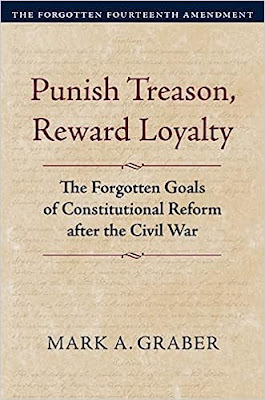
Mark A. Graber, Punish Treason, Reward Loyalty: The Forgotten Goals of Constitutional Reform after the Civil War (University of Kansas Press, 2023)
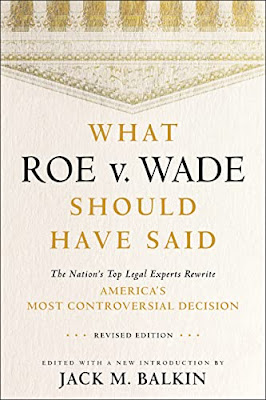
Jack M. Balkin, What Roe v. Wade Should Have Said: The Nation's Top Legal Experts Rewrite America's Most Controversial Decision - Revised Edition (NYU Press, 2023)

Andrew Koppelman, Burning Down the House: How Libertarian Philosophy Was Corrupted by Delusion and Greed (St. Martin’s Press, 2022)

Gerard N. Magliocca, Washington's Heir: The Life of Justice Bushrod Washington (Oxford University Press, 2022)

Joseph Fishkin and William E. Forbath, The Anti-Oligarchy Constitution: Reconstructing the Economic Foundations of American Democracy (Harvard University Press, 2022)
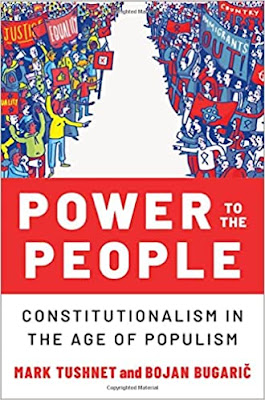
Mark Tushnet and Bojan Bugaric, Power to the People: Constitutionalism in the Age of Populism (Oxford University Press 2021).

Mark Philip Bradley and Mary L. Dudziak, eds., Making the Forever War: Marilyn B. Young on the Culture and Politics of American Militarism Culture and Politics in the Cold War and Beyond (University of Massachusetts Press, 2021).

Jack M. Balkin, What Obergefell v. Hodges Should Have Said: The Nation's Top Legal Experts Rewrite America's Same-Sex Marriage Decision (Yale University Press, 2020)

Frank Pasquale, New Laws of Robotics: Defending Human Expertise in the Age of AI (Belknap Press, 2020)

Jack M. Balkin, The Cycles of Constitutional Time (Oxford University Press, 2020)

Mark Tushnet, Taking Back the Constitution: Activist Judges and the Next Age of American Law (Yale University Press 2020).

Andrew Koppelman, Gay Rights vs. Religious Liberty?: The Unnecessary Conflict (Oxford University Press, 2020)

Ezekiel J Emanuel and Abbe R. Gluck, The Trillion Dollar Revolution: How the Affordable Care Act Transformed Politics, Law, and Health Care in America (PublicAffairs, 2020)

Linda C. McClain, Who's the Bigot?: Learning from Conflicts over Marriage and Civil Rights Law (Oxford University Press, 2020)

Sanford Levinson and Jack M. Balkin, Democracy and Dysfunction (University of Chicago Press, 2019)

Sanford Levinson, Written in Stone: Public Monuments in Changing Societies (Duke University Press 2018)

Mark A. Graber, Sanford Levinson, and Mark Tushnet, eds., Constitutional Democracy in Crisis? (Oxford University Press 2018)

Gerard Magliocca, The Heart of the Constitution: How the Bill of Rights became the Bill of Rights (Oxford University Press, 2018)

Cynthia Levinson and Sanford Levinson, Fault Lines in the Constitution: The Framers, Their Fights, and the Flaws that Affect Us Today (Peachtree Publishers, 2017)

Brian Z. Tamanaha, A Realistic Theory of Law (Cambridge University Press 2017)

Sanford Levinson, Nullification and Secession in Modern Constitutional Thought (University Press of Kansas 2016)

Sanford Levinson, An Argument Open to All: Reading The Federalist in the 21st Century (Yale University Press 2015)

Stephen M. Griffin, Broken Trust: Dysfunctional Government and Constitutional Reform (University Press of Kansas, 2015)

Frank Pasquale, The Black Box Society: The Secret Algorithms That Control Money and Information (Harvard University Press, 2015)

Bruce Ackerman, We the People, Volume 3: The Civil Rights Revolution (Harvard University Press, 2014)
Balkinization Symposium on We the People, Volume 3: The Civil Rights Revolution

Joseph Fishkin, Bottlenecks: A New Theory of Equal Opportunity (Oxford University Press, 2014)

Mark A. Graber, A New Introduction to American Constitutionalism (Oxford University Press, 2013)

John Mikhail, Elements of Moral Cognition: Rawls' Linguistic Analogy and the Cognitive Science of Moral and Legal Judgment (Cambridge University Press, 2013)

Gerard N. Magliocca, American Founding Son: John Bingham and the Invention of the Fourteenth Amendment (New York University Press, 2013)

Stephen M. Griffin, Long Wars and the Constitution (Harvard University Press, 2013)

Andrew Koppelman, The Tough Luck Constitution and the Assault on Health Care Reform (Oxford University Press, 2013)

James E. Fleming and Linda C. McClain, Ordered Liberty: Rights, Responsibilities, and Virtues (Harvard University Press, 2013)
Balkinization Symposium on Ordered Liberty: Rights, Responsibilities, and Virtues

Andrew Koppelman, Defending American Religious Neutrality (Harvard University Press, 2013)

Brian Z. Tamanaha, Failing Law Schools (University of Chicago Press, 2012)

Sanford Levinson, Framed: America's 51 Constitutions and the Crisis of Governance (Oxford University Press, 2012)

Linda C. McClain and Joanna L. Grossman, Gender Equality: Dimensions of Women's Equal Citizenship (Cambridge University Press, 2012)

Mary Dudziak, War Time: An Idea, Its History, Its Consequences (Oxford University Press, 2012)

Jack M. Balkin, Living Originalism (Harvard University Press, 2011)

Jason Mazzone, Copyfraud and Other Abuses of Intellectual Property Law (Stanford University Press, 2011)

Richard W. Garnett and Andrew Koppelman, First Amendment Stories, (Foundation Press 2011)

Jack M. Balkin, Constitutional Redemption: Political Faith in an Unjust World (Harvard University Press, 2011)

Gerard Magliocca, The Tragedy of William Jennings Bryan: Constitutional Law and the Politics of Backlash (Yale University Press, 2011)

Bernard Harcourt, The Illusion of Free Markets: Punishment and the Myth of Natural Order (Harvard University Press, 2010)

Bruce Ackerman, The Decline and Fall of the American Republic (Harvard University Press, 2010)
Balkinization Symposium on The Decline and Fall of the American Republic

Ian Ayres. Carrots and Sticks: Unlock the Power of Incentives to Get Things Done (Bantam Books, 2010)

Mark Tushnet, Why the Constitution Matters (Yale University Press 2010)

Ian Ayres and Barry Nalebuff: Lifecycle Investing: A New, Safe, and Audacious Way to Improve the Performance of Your Retirement Portfolio (Basic Books, 2010)
.jpg)
Jack M. Balkin, The Laws of Change: I Ching and the Philosophy of Life (2d Edition, Sybil Creek Press 2009)

Brian Z. Tamanaha, Beyond the Formalist-Realist Divide: The Role of Politics in Judging (Princeton University Press 2009)

Andrew Koppelman and Tobias Barrington Wolff, A Right to Discriminate?: How the Case of Boy Scouts of America v. James Dale Warped the Law of Free Association (Yale University Press 2009)

Jack M. Balkin and Reva B. Siegel, The Constitution in 2020 (Oxford University Press 2009)

Heather K. Gerken, The Democracy Index: Why Our Election System Is Failing and How to Fix It (Princeton University Press 2009)

Mary Dudziak, Exporting American Dreams: Thurgood Marshall's African Journey (Oxford University Press 2008)

David Luban, Legal Ethics and Human Dignity (Cambridge Univ. Press 2007)

Ian Ayres, Super Crunchers: Why Thinking-By-Numbers is the New Way to be Smart (Bantam 2007)

Jack M. Balkin, James Grimmelmann, Eddan Katz, Nimrod Kozlovski, Shlomit Wagman and Tal Zarsky, eds., Cybercrime: Digital Cops in a Networked Environment (N.Y.U. Press 2007)

Jack M. Balkin and Beth Simone Noveck, The State of Play: Law, Games, and Virtual Worlds (N.Y.U. Press 2006)

Andrew Koppelman, Same Sex, Different States: When Same-Sex Marriages Cross State Lines (Yale University Press 2006)

Brian Tamanaha, Law as a Means to an End (Cambridge University Press 2006)

Sanford Levinson, Our Undemocratic Constitution (Oxford University Press 2006)

Mark Graber, Dred Scott and the Problem of Constitutional Evil (Cambridge University Press 2006)

Jack M. Balkin, ed., What Roe v. Wade Should Have Said (N.Y.U. Press 2005)

Sanford Levinson, ed., Torture: A Collection (Oxford University Press 2004)
Balkin.com homepage
Bibliography
Conlaw.net
Cultural Software
Writings
Opeds
The Information Society Project
BrownvBoard.com
Useful Links
Syllabi and Exams
