Balkinization
an unanticipated consequence of
Jack M. Balkin
Balkinization Symposiums: A Continuing List
E-mail:
Jack Balkin:
jackbalkin at yahoo.com
Bruce Ackerman
bruce.ackerman at yale.edu
Ian Ayres
ian.ayres at yale.edu
Corey Brettschneider
corey_brettschneider at brown.edu
Mary Dudziak
mary.l.dudziak at emory.edu
Joey Fishkin
joey.fishkin at gmail.com
Heather Gerken heather.gerken at yale.edu
Abbe Gluck abbe.gluck at yale.edu
Mark Graber
mgraber at law.umaryland.edu
Stephen Griffin
sgriffin at tulane.edu
Jonathan Hafetz
jonathan.hafetz at shu.edu
Jeremy Kessler
jkessler at law.columbia.edu
Andrew Koppelman
akoppelman at law.northwestern.edu
Marty Lederman
msl46 at law.georgetown.edu
Sanford Levinson
slevinson at law.utexas.edu
David Luban
david.luban at gmail.com
Gerard Magliocca
gmaglioc at iupui.edu
Jason Mazzone
mazzonej at illinois.edu
Linda McClain
lmcclain at bu.edu
John Mikhail
mikhail at law.georgetown.edu
Frank Pasquale
pasquale.frank at gmail.com
Nate Persily
npersily at gmail.com
Michael Stokes Paulsen
michaelstokespaulsen at gmail.com
Deborah Pearlstein
dpearlst at yu.edu
Rick Pildes
rick.pildes at nyu.edu
David Pozen
dpozen at law.columbia.edu
Richard Primus
raprimus at umich.edu
K. Sabeel Rahmansabeel.rahman at brooklaw.edu
Alice Ristroph
alice.ristroph at shu.edu
Neil Siegel
siegel at law.duke.edu
David Super
david.super at law.georgetown.edu
Brian Tamanaha
btamanaha at wulaw.wustl.edu
Nelson Tebbe
nelson.tebbe at brooklaw.edu
Mark Tushnet
mtushnet at law.harvard.edu
Adam Winkler
winkler at ucla.edu
Compendium of posts on Hobby Lobby and related cases
The Anti-Torture Memos: Balkinization Posts on Torture, Interrogation, Detention, War Powers, and OLC
The Anti-Torture Memos (arranged by topic)
Recent Posts
In the Penal Colony
![[Powered by Blogger]](https://lh3.googleusercontent.com/blogger_img_proxy/AEn0k_tFyrieCQsKYNQRTFaXI7COzr4j1JJxSXtMRUXwXh4HgEfxr1DhMwnShzDFp07fGQ9S12BLkpqm58vDQBVM04tD-BqkQR-g93Oe1-ALZlvP=s0-d)
Just A Few Blogs
ACS Blog
Alas, a Blog
Althouse
Arts and Letters Daily
Atrios (Eschaton)
Bill of Health
Buzzflash.com
Buzz Machine
Cato at Liberty
Juan Cole (Informed Comment)
Concurring Opinions
The Constitution in 2020
Corrente
Crooked Timber
Daily Howler
Daily Kos
Dana Boyd
Brad DeLong
Digby (Hullabaloo)
Discriminations
Daniel Drezner
Kevin Drum (Mother Jones)
Electrolite
En Banc
Eunomia (Daniel Larison)
Fafblog
Michael Froomkin (Discourse.net)
GovLab (Beth Noveck)
Rick Hasen (Election Law)
History News Network
How Appealing
Ignatz (Sam Heldman)
The Importance of (Ernie Miller)
Infolaw
Instapundit
International Economic Law and Policy Blog
IntLawGrrls
Jacob Levy
Jesus' General
Jurisdynamics
The Kitchen Cabinet
Mark Kleiman
Law Blog Central
Larry Lessig
Lawyers, Guns and Money
Liberal Oasis
Brian Leiter's Law School Reports
The Leiter Reports
Marginal Revolution
Megan McArdle
Memeorandum
Metafilter
Mirror of Justice
The New Republic
Newseum
No More Mister Nice Blog
Brendan Nyhan
Opinio Juris
Orcinus
The Originalism Blog
Pandagon
Passport (Foreign Policy)
Overcoming Bias
Political Animal (Washington Monthly)
Political Theory Daily Review
Political Wire (Taegan Goddard)
The Poor Man
Virginia Postrel
Prawfsblawg
Public Reason
Jonathan Rauch
Raw Story
Redstate
ReligiousLeftLaw.com
Reporters Committee For Freedom of the Press
Reproductive Rights Blog
Rothman's Roadmap to the Right of Publicity
SCOTUS Blog
Seeing the Forest
Clay Shirky
The Shifted Librarian
The Situationist
Larry Solum (Legal Theory)
Andrew Sullivan
Talking Points Memo
Talk Left
Tapped
Tbogg
TechPresident
The Paper Chase (Jurist)
Tom Paine
Tom Tomorrow (This Modern World)
Eve Tushnet
Uggabugga
University of Chicago Law School Faculty Blog
Unqualified Offerings
The Volokh Conspiracy
War and Piece (Laura Rozen)
Wampum
Oliver Willis
Wonkette
Written Description
Matthew Yglesias
Yin
Your Choice of Feeds
1. XML
powered by

2. Atom Feed
3. RSS 2.0
In the Penal Colony
Scott Horton
I am a commercial lawyer; I spend a lot of my time doing work for insurance companies. I can't claim the ability to speak with pathos. Neither do I have the ability to wield great images which may be appropriate to the topic I want to open to you this morning. You will therefore, I hope, permit me to cite another commercial lawyer who spent most of his life working for an insurance company, a man who is much more talented than I. His name is Franz Kafka, and he stood at a cultural crossroads – a cultural German, a Jew, from a Slavic Jewish family – but for me at least, Kafka is above all a lawyer; a man with a strong commitment to justice and an abiding fear of its perversion. I share that commitment. I also share Kafka's fear of the ghost which is afoot in our world today. It is a mortal threat to our world, and by failing to look it in the eye and challenge it we put our civilization at risk. This moral challenge lies, I believe, at the center of Kafka's work.
In 1919, the Great War had ended and the empires of Middle Europe collapsed, and with them a great social order. In its wake came chaos, violence and terror. The Vehme struck; White terror battled Red terror. Political, social and cultural leaders in many cities were rounded up and cruel and arbitrary executions were commonplace. Only a few blocks from where we sit this morning, Rosa Luxemburg and Karl Liebknecht were seized, brutally beaten, tortured, interrogated and murdered by the Freikorps. In the height of the terror of 1919, Franz Kafka published In the Penal Colony. There is a tone of despair and darkness about this work; it is a depressing thing to read or relate.
In the Penal Colony, a visitor – on a voyage of exploration, he says – arrives on a tropical island which serves as a penal colony. Shortly he receives an invitation from the island's military commander to witness an execution. In a drawn-out discussion, the visitor learns from an officer sent to greet him that the prisoner who is to be executed has no idea that he has been accused or charged of anything; nor of the penalty that awaits him. The penalty, in fact, is horrific – before he is executed, the prisoner is to be mutilated by a great machine designed to carve his offense in florid letters into his body. The process is a simple one, says the officer: he handles every stage of it, and there is no need for a defense – after all, says the officer, who is accuser and judge, he always starts from the premise that the accused is guilty. Indeed, are we not all guilty?
This presents a moral dilemma to the visitor. He recognizes the injustice and inhumanity of what is about to transpire. But he is after all just a visitor; moreover, a foreigner. What does all of this mean to him? Isn't it easier for him just to hold his peace and get off this island hell as quickly as he can?
Before reaching its end, the plot takes a number of ever more grotesque turns – the torture machine malfunctions, producing an unexpected and terrible death, and the visitor beats a hasty departure from the island. The images are horrific and the message is grim. This is a world in which justice has been denuded of meaning; public torture is being pursued as a sort of sport. Human beings are reduced to so much livestock.
In the Penal Colony is a nightmare. It reflects Kafka's fear of the corruption of justice in a crucible of terror. It is the nightmare he saw drawing near on the horizon of Central Europe's history. But it has not passed.
Let us not make the mistake of viewing the Penal Colony as a historic or literary relic. The Penal Colony exists today. It has many other names. Guantanamo, Abu Ghraib, Baghram and the Salt Pit, for instance.
As the chair said, the American Supreme Court showed the majesty of the law in ruling that the detainees in this conflict had the protections provided by Common Article 3 of the Geneva Conventions. But unfortunately, the matter has not rested with that determination.
This week, again, the Government of the United States, a land founded on a commitment of justice for all - my country - tells us that detainees in its campaign against terror have "no rights." It buttresses this with the Military Commissions Act recently passed by Congress, which purports to strip the American courts of jurisdiction over claims from these detainees. It also demands that no litigant cite or ask a court to take notice of the Geneva Conventions nor other related international laws – notwithstanding that our Constitution binds the courts to enforce these very laws. The act abolishes the writ of habeas corpus, which Thomas Jefferson called one of the essential pillars of the American Republic. It gives the president the potentially despotic power to remove anyone from the protection of the law simply by carving upon his body a label – the words "unlawful enemy combatant."
But beyond this, every day's newspaper brings us more grotesque turns. Only a week ago, the Washington Post reported that the US Department of Justice was seeking to preclude a group of 14 detainees soon to be tried by military commissions from having access to attorneys. And in one case, that of Majid Khan, the Department specifically argued that if he got a lawyer, the lawyer must be forbidden from asking any questions about how Majid Khan was treated in the hands of the CIA. His treatment, it is said, is classified as TOP SECRET//SCI Level. Therefore, his lawyer is not entitled to know anything about it. Moreover, it would be better if he never had a lawyer. I don't know what was done to Majid Khan – but I do know what tactics the CIA has been using, thanks to the work of Newsweek, ABC News and others. In particular, this has included three techniques: waterboarding, long-time standing and the coldcell or hypothermia. Each of these techniques has long been established to be a crime under the law of nations. The suspicion is near that the TOP SECRET label was affixed in this case to obscure criminal conduct. The use of security classifications in such a way is the hallmark of a tyrannical society. What attitude towards justice does this reveal?
Bilal Hussein received the 2004 Pulitzer Prize for photojournalism. He has just completed seven months in detention, first in Abu Ghraib and then in Camp Cropper. He has never been charged with anything. US Forces maintain that he took pictures that show insurgents. They make clear that they do not like his pictures. They also recently told a magazine seeking information about his case, that all their concerns about Bilal Hussein were classified information and could not, therefore, be shared with anyone. To this day, they maintain they have the right to continue to hold Bilal Hussein indefinitely, on the criminal offense of being a journalist. What attitude towards justice does this reveal?
Ladies and gentlemen, I ask you to read your newspaper today very carefully. In it you will find another – now the third – report prepared by faculty and students at Seton Hall Law School examining the Combat Status Review Tribunal, a board composed to confirm the status of detainees in Guantanamo. Based on its determinations, detainees may be held for indefinite periods – potentially forever. Yet, as this study reveals, most proceedings occupy only a few hours, involve no witnesses and generally little meaningful evidence of any sort. The detainees are not confronted with the accusations or evidence against them, given an opportunity to ask questions or conduct a case. Once more, the model that is adhered to is not the rich criminal or military justice system of the United States, but the model of Franz Kafka's Penal Colony. What attitude towards justice does this reveal?
I am not here to argue for release or freedom for those detained in the campaign against terror. I am arguing for justice. That is something quite different. It may well be that Majid Khan is a serious criminal responsible for crimes against humanity. It may well be that he used or promoted the use of terror as a device. If that is so, he should be charged and given a fair chance to defend himself. This trial, fairly run, will vindicate my nation's counterterrorism efforts. It will show those who are held for heinous criminals, if they are heinous criminals. It would promote the view in the world that my nation has and pursues a just cause, and treats those in its power with justice, though the justice be severe.
In the end justice is a glorious thing and the evasion of justice is shameful. But we must remember, as both Robert H. Jackson and Hannah Arendt have taught us, that this process is not simply about justice. It is also about the appearance of justice. Failing that, we run a severe risk. The penal colony may now be an island. But soon it may become the world.
---------
Prepared remarks for the November 17, 2006 meeting of the Club de Madrid, Berlin, Germany.
Posted
2:16 PM
by Scott Horton [link]
Thank you, again, and again, and again, for speaking so openly and passionately. By doing so you "promote the view in the world that my nation has and pursues a just cause, and treats those in its power with justice, though the justice be severe." Your example is especially heartening for this 2l.

This week, again, the Government of the United States, a land founded on a commitment of justice for all - my country - tells us that detainees in its campaign against terror have "no rights."
Really? That is quite a charge to be making against your country to a foreign audience. I hope you can back it up.
It buttresses this with the Military Commissions Act recently passed by Congress, which purports to strip the American courts of jurisdiction over claims from these detainees.
To the contrary, the MCA is filled with pages of procedural rights which alien unlawful enemy combatants have never been previously granted under US laws.
It also demands that no litigant cite or ask a court to take notice of the Geneva Conventions nor other related international laws – notwithstanding that our Constitution binds the courts to enforce these very laws.
This also is incorrect. Pursuant to its plenary Article I power to set the rules for Captures, Congress defined the requirements of the Geneva Conventions for the courts. These are requirements which may be enforced by the courts. They may not be the requirements you wished for, but to claim that there are no requirements is worng.
The act abolishes the writ of habeas corpus, which Thomas Jefferson called one of the essential pillars of the American Republic.
This is misleading. You cannot abolish something which never existed in the first place. In over 500 years of its existence, the Great Writ was never extended in Britain or the US to alien enemy combatants to contest their detention for the duration of hostilities. In the Rasul decision, five members of the Supreme Court rewrote half a millennium of precedent in the US habeas statute to extend this right for the first time. Congress corrected this misinterpretation of their law twice in the DTA and the MSA.
It gives the president the potentially despotic power to remove anyone from the protection of the law simply by carving upon his body a label – the words "unlawful enemy combatant."
You should know better than this. The MCA defines lawful and unlawful combatants and refers to the pre-existing Combat Status Review Tribunals as a body to make these decisions. The CSRT complies with the Geneva Conventions requirement to hold a status hearing to determine whether the detainee falls under the definitions of lawful combatant or civilian with the protections which accrue to those persons.
Only a week ago, the Washington Post reported that the US Department of Justice was seeking to preclude a group of 14 detainees soon to be tried by military commissions from having access to attorneys.
This is misleading. A group of civilian attorneys demanded access to Majid Kahn and to the classified information to which he is allegedly privy. The Government is opposing allowing these attorneys access to Kahn, not all attorneys. If Kahn is tried by a military commission for war crimes, the MCA requires that he be provided with two attorneys, presumably with the proper security clearances.
I don't know what was done to Majid Khan – but I do know what tactics the CIA has been using, thanks to the work of Newsweek, ABC News and others. In particular, this has included three techniques: waterboarding, long-time standing and the coldcell or hypothermia. Each of these techniques has long been established to be a crime under the law of nations.
Long established by whom? The long standing definition of torture under US law was the intentional infliction of severe pain, which we agreed to in the Torture Convention and then applied to the Geneva Conventions through the MCA. None of these techniques falls under that definition.
Bilal Hussein received the 2004 Pulitzer Prize for photojournalism. He has just completed seven months in detention, first in Abu Ghraib and then in Camp Cropper. He has never been charged with anything. US Forces maintain that he took pictures that show insurgents. They make clear that they do not like his pictures.
Please. Hussein was disseminating enemy propaganda, was captured consorting with two enemy combatants in an apartment with bomb making materials.
The photographs were not news, they were propaganda meant to spread terror. Hussein took photographs with the obvious consent of the enemy of terrorists committing war crimes by executing poll workers and other civilians. These photos were permitted by the enemy to spread fear in the population.
This is the equivalent of a German photographer taking photographs of SS executions of French civilians to be given to AP for dissemination in the world media to serve as an example of what happens to those who aid the French resistance.
In it you will find another – now the third – report prepared by faculty and students at Seton Hall Law School examining the Combat Status Review Tribunal, a board composed to confirm the status of detainees in Guantanamo. Based on its determinations, detainees may be held for indefinite periods – potentially forever. Yet, as this study reveals, most proceedings occupy only a few hours, involve no witnesses and generally little meaningful evidence of any sort.
This report was drafted by people who have no access to the classified intelligence used to make the determination. All they have access to is the heavily redacted portions of hearing minutes and documents which have been declassified.
The CSRT has released over 200 detainees after finding that they were either civilians or were not dangerous enough to detain as enemy combatants.
http://fpc.state.gov/fpc/61444.htm
At least ten of these released detainees returned to fighting our troops in Afghanistan.
http://www.washingtonpost.com/wp-dyn/
articles/A52670-2004Oct21.html
It is also very telling that the EU countries which lecture us on the need to close Gitmo and release its detainees refuse to take into their own countries the detainees which our CSRT wants to release. They do not want to take the risk which they urge upon us.
Therefore, the status hearings are arguably too permissive rather than too strict and are releasing enemy back to the battlefield.
The detainees are not confronted with the accusations or evidence against them, given an opportunity to ask questions or conduct a case. Once more, the model that is adhered to is not the rich criminal or military justice system of the United States, but the model of Franz Kafka's Penal Colony.
Status hearings are not and never have been trials for criminal acts. They are simply hearings to determine the status of the detainee. Historically, such hearings were brief affairs conducted on the front and usually followed by a summary execution of the enemy combatant found to be fighting in our uniforms or in civilian clothing. The CSRT hearings are far more elaborate affairs.
I am not here to argue for release or freedom for those detained in the campaign against terror. I am arguing for justice.
That is a distinction without a difference. You appear to be arguing for criminal standard of proof and procedures in status hearings for enemy combatants for the first time in history. Obviously, this would lead to the release of far more enemy combatants to return to the battlefield to kill our soldiers than is currently the case.
Status hearings are not and never have been trials for criminal acts. They are simply hearings to determine the status of the detainee. Historically, such hearings were brief affairs conducted on the front and usually followed by a summary execution of the enemy combatant found to be fighting in our uniforms or in civilian clothing.
We've been over this so many times we are going round and round in circles. You refer to what was permitted as a matter of battlefield exigency in the case of enemies captured in actual combat (very strong evidence that they were actual combatants).
In this case we are dealing mostly either with arrests (some of them far from the actual theater of combat) or with people handed over to us by local warlords. The exigencies of combat do not apply.
@humblelaswstudent: so we agree on the basics. A president and congress have warpowers. They shouldn't use these powers unless there is a war.
You said congress cannot declare a war without an enemy although it might authorise the use of force.
Let's suppose that Congress and the President legally cannot start a war "without an enemy" ie cannot start a war on drugs (you said "should not" I added "legally cannot"). If we take this assumption there is a scale between a legal war (for example WOII) and un illegal war (hypo: war on drugs). Now we would have to find where the war on terror would fit in.
Personally I would argue that the war on terror is like the war on drugs. There is not one clear enemy (there is a combination of enemies we call terrorists) let allone a state to wage war on. There is not a clear battlefield because the "enemy" is not one actor but a bundle of actors. I would say that war on terror is remarkably similar to the war on drugs. The only constant factor is the U.S.'s use of force.
On our hypothetical scale between a legal and a illegal war the war on terror would as close to the war on drugs (the predefined illegal war) as a war could be.
This is not to say that the use of force against terrorists is or should be illegal. I would say that there is a struggle (to avoid the use of the word war) against terrorism. Certain battles in this struggles could be considered legal wars on the hypothetical scales, other battles we are fighting because we were asked to help by a governemt.
In Afghanistan and in Iraq there were wars. We attacked and invaded another State and took away their sovereignty. Both ended being wars when the soverignty was transferred back to the newly installed governments. From that time on there is no longer a war, but the US is asssisting sovereign governments in more or less internal strifes.
In the same sense we cannot say that the US fought a war against communism. The us fought wars in Vietnam and Korea (we can argue about the last one because there was somewhat of an invitation), but not against "communism".
As soon as we take the "war" out of the war against terrorism the whole use of the war powers collapses.
I have no adequate way to thank you Mr. Horton, for your passion in pursuit of a world that is kinder and more just.

I think your analogy between the "War on Terror" and the "War on Drugs" is a useful comparison. In both cases, as you say, we are dealing with something that is really not big enough to be a belligerent. Your proposal is to treat it as a criminal matter.
But I would say that some of these drug cartels, though not big enough to be belligerents in a war, are too large to be mere criminals. You need only look at major drug growing countries -- aerial defoliation of coca fields, rival drug lords battling for power, alliances between drug dealers and rebel groups financed by drug profits -- to see that "war" was more than just a metaphore. Even some U.S. inner cities had rival drug guns fighting for control with military-style weapons.
But certainly none of this justfies invading Colombia to suppress drug traffic, or declaring our inner cities war zones and sending in the Marines Fallujah style.
I believe much of our problem is that we are dealing with something too big to be crime and not big enough to be war. We don't really have any laws or procedures for dealing with that. Looking at how we deal with another intermediate enemy (like drug cartels) can be a valuable source of guidance.
Peace has more power than war.
Bart and everyone please look at Evan Wallach's draft (soon to be published at Columbia) at the link below entitled Drop by Drop: Forgetting the History of Water Torture in U.S. Courts
http://www.pegc.us/archive/Articles/wallach_drop_by_drop_draft_20061016.pdf
Please stop being in denial about waterboarding being torture. It really gets boring.
Best,
Ben
Maybe if I do have to choose between war and crime I would choose crime, because than I would be able to fight terrorism as a conspiracy to terrorize. I would use the intelligence services because this conspiracy threatens the safety of people.
I liked my analogy to Communism better. Communism is a ideology, just as terrorism, we cannot fight an ideology with guns.
It gives the president the potentially despotic power to remove anyone from the protection of the law simply by carving upon his body a label – the words "unlawful enemy combatant."
Bart responds with:
You should know better than this. The MCA defines lawful and unlawful combatants and refers to the pre-existing Combat Status Review Tribunals as a body to make these decisions.
The MCA does define lawful and lawful combatants, and it does refer to the pre-existing CSRTs, but it does NOT preclude the President or the Secretary of Defense from deciding status outside of the CSRTs.
Unlawful enemy combatant status is assigned when either 1) the person has openly engaged in hostilities, but fails to meet the criteria of a lawful enemy combatant; or 2) the person is determined to be an unlawful enemy combatant by "a Combatant Status Review Tribunal or another competent tribunal established under the authority of the President or the Secretary of Defense."
Note the distinct absence of an "and" between those criteria.
Elsewhere, Bart dismisses Scott's claim that the MCA "demands that no litigant cite or ask a court to take notice of the Geneva Conventions."
While there are assurances in some parts of the MCA that the commissions conform to aspects of the Geneva Conventions, the MCA is quite clear about the litigant's right to cite the GC: "No alien enemy combatant subject to trial by military commission may invoke the Geneva Conventions as a source of rights."
Bart: Status hearings are not and never have been trials for criminal acts. They are simply hearings to determine the status of the detainee. Historically, such hearings were brief affairs conducted on the front and usually followed by a summary execution of the enemy combatant found to be fighting in our uniforms or in civilian clothing.
We've been over this so many times we are going round and round in circles. You refer to what was permitted as a matter of battlefield exigency in the case of enemies captured in actual combat (very strong evidence that they were actual combatants).
In this case we are dealing mostly either with arrests (some of them far from the actual theater of combat) or with people handed over to us by local warlords. The exigencies of combat do not apply.
1) These are not arrests by civil authorities, these are captures of enemy combatants by the military.
2) The execution rather than the detention of unlawful enemy combatants has nothing to do with the exigencies of combat. Unlawful enemy combatants who endanger civilians or our troops by disguising as civilians or our troops have been executed throughout our history.
@bart: or what, or you are going to say that Horton is a taitor?
I never said this. Why does it leap to your mind that Mr. Horton is engaging in treason?
Treason is giving aid and comfort to the enemy. Mr. Horton is not spreading enemy propaganda, so I would not call him a traitor.
If these are knowing falsehoods slandering the government, you could make an argument for sedition, but not treason.
"The CSRT has released over 200 detainees after finding that they were either civilians or were not dangerous enough to detain as enemy combatants."
False. The number is 38.
I am not aware of any reports of any of those 38 being recaptured fighting in Afghanistan. (Two or three are still being held it Guantanamo.) (The CSRT was not the only mechanism by which people got out of GTMO--people were released before and after...
It is possible that the military released many of the 200 in initial reviews prior to a formal CSRT status conference. I do not have that information. However, the end result is the same. The military conducted status hearings released 200 and some came back to fight us again.
Scott: It gives the president the potentially despotic power to remove anyone from the protection of the law simply by carving upon his body a label – the words "unlawful enemy combatant."
Bart responds with: You should know better than this. The MCA defines lawful and unlawful combatants and refers to the pre-existing Combat Status Review Tribunals as a body to make these decisions.
pms: The MCA does define lawful and lawful combatants, and it does refer to the pre-existing CSRTs, but it does NOT preclude the President or the Secretary of Defense from deciding status outside of the CSRTs.
Scott claims that the MCA grants the President the right to declare anyone he wants at an unlawful enemy combatant.
You and I agree that the MCA provides definitions which bar arbitrary designation of unlawful enemy combatants.
I presume that it is theoretically possible that the President or SecDef could apply the MCA definitions under the President's Article II power, but they have not done so and the MCA is silent on that issue.
Elsewhere, Bart dismisses Scott's claim that the MCA "demands that no litigant cite or ask a court to take notice of the Geneva Conventions."
While there are assurances in some parts of the MCA that the commissions conform to aspects of the Geneva Conventions, the MCA is quite clear about the litigant's right to cite the GC: "No alien enemy combatant subject to trial by military commission may invoke the Geneva Conventions as a source of rights."
I never denied this.
The rights granted by the Geneva Conventions are often vague to the point of uselessness.
The Congress has the plenary right under Article I to set the rules for Captures which would include defining the Geneva Convention rights which US law will apply. They did so under the MCA and denied the courts the right to redefine those rights any other way.
In a weird kind of way I think it is important to have Bart around. Not only to play with, but because he represents the true believers in the Bush doctrine: all the powers to the president regardless of the consequenses. It is good to get to hear this point of view because there are to many people buying in to it. At blogs like this one, people tend to forget this reality. Bart makes us remember who we are really arguing against.
Not quite. I agree that there are definitions provided in the MCA, but there are no provisions in the MCA to bar arbitrary designation, save the use of tribunals deemed competent by the President or the Secretary of Defense.
This is what gives people like Robert and me such heartburn: with no firm idea of what constitutes competence, it is open for abuse by the executive.
Darned liberals again.
One part really jumped out at me: In three of the 102 CSRT returns reviewed, the Tribunal found the detainee to be not/no-longer an enemy combatant. In each case, the Defense Department ordered a new Tribunal convened, and the detainee was then found to be an enemy combatant. In one instance, a detainee was found to no longer be an enemy combatant by two Tribunals, before a third Tribunal was convened
which then found the detainee to be an enemy combatant.
I only hope the government had the common playground courtesy to yell "Do over!" before ordering the new tribunals.
There's that capital C again. ;)
Anderson, you're spot on, both in your analysis of what's important and the illegitimacy of Bart's methods and the clued-in nature of certain regulars. The best bet is still to not feed the troll, but it's human nature to get a guilty kick out of baiting the bear.
btw, Bart, did you ever find that passage in the text of the MCA that lets your family prove your citizenship when you they pick you up, wrongfully, as an AUEC? Still no? Pity.
BD: You and I agree that the MCA provides definitions which bar arbitrary designation of unlawful enemy combatants.
Not quite. I agree that there are definitions provided in the MCA, but there are no provisions in the MCA to bar arbitrary designation, save the use of tribunals deemed competent by the President or the Secretary of Defense.
:::sigh:::
Exactly why were the definitions included in the statute if Congress did not mean them to be followed?
@pms: and we know how these tribunals should be viewed. new report just released. The Government did not produce any witnesses in any hearing and did not present any documentary evidence to the detainee prior to the hearing in 96% of the cases.
So what? Once again, status hearings are not trials. They are simply reviews by the military of evidence concerning the status of the detainee.
We have never provided trials for enemy combatants to challenge the evidence underlying their detentions. Never. There is absolutely no reason to start now.
Every detainee has been interrogated extensively. He had every opportunity to inform the interrogator of his life story. These statements can be and are checked out. 200 detainees have been released because their stories checked out.
Indeed, a detainee has no right to silence as to his status. Even you folks should know the obligation to give name, rank and serial number from the movies. The purpose of that required information is so the capturing military can verify your status under the Geneva Conventions.
Bart: ...the rules for Captures...
There's that capital C again. ;)
Since I have to keep referring back to the Constitutional language to remind you folks of Congress' plenary authority to set rules in this matter, I have taken to using the archaic term "Captures," which is capitalized in Article I.
Anderson, you're spot on, both in your analysis of what's important and the illegitimacy of Bart's methods and the clued-in nature of certain regulars. The best bet is still to not feed the troll...
That would save me time responding to you.
I visit about a half dozen blogs and reply to interesting posts by the bloggers. Then, I try to be polite and reply to posts directed to me by other readers of that blog.
If you do not care to engage in a debate, do not respond to my posts.
We have never provided trials for enemy combatants to challenge the evidence underlying their detentions. Never. There is absolutely no reason to start now. That is disingenuous. We did provide trials to people who claimed to be either POW's or innocent civilians all together. Let's quote the Geneva Conventions on that one:
"A person who takes part in hostilities and falls into the power of an adverse Party shall be presumed to be a prisoner of war, and therefore shall be protected by the Third Convention, if he claims the status of prisoner of war, or if he appears to be entitled to such status, or if the Party on which he depends claims such status on his behalf by notification to the detaining Power or to the Protecting Power. Should any doubt arise as to whether any such person is entitled to the status of prisoner of war, he shall continue to have such status and, therefore, to be protected by the Third Convention and this Protocol until such time as his status has been determined by a competent tribunal."
Oh Bart, you are cracking me up. If only all those people would have chatted nicely with there interrogator pals, everyting would be alright! Then again your interrogator buddy just might no believe you...
I'm quite sure you won't read it, because you have have a dozen blog to read but please go and read about your cherished tribunal. Don't say you never said they were important: you said that if you would be detained (wrongly) as an enemy combantant these, the tribunals would set you free.
[Bart]
:::sigh:::
Exactly why were the definitions included in the statute if Congress did not mean them to be followed?
:::sigh:::
A right without a remedy is barren. That's the whole fault with the MCA in a nutshell.
Or would it be more like the argument the administration is now using in the padilla case: we didn't torture but even if we did, you cannot hold it against us.
Of course it is true that they are saying "you cannot hold it against us... in this criminal law case". But in a civil law suit they would invoke the executive privilege, thus barring any enforcement.
But it is good to see that Bart is beginning to ask the tough questions and this one bears repeating: Exactly why were the definitions included in the statute if Congress did not mean them to be followed?
So that's still a "no such provisions in the MCA" with regards to my question about how your family gets to prove your citizenship when you get wrongfully picked up as an AUEC? Strange that you can whine about other parts of my post, even whine that I'm not "engaging you" and yet you can't answer this simple question. Could it be you just don't like the answer you'd have to give? Be clear that your failure/inablity/refusal to answer this one simple question really puts the lie to your protestations of "politeness". Folks who know you from other venues have warned us, and you never once have acted in a fashion to gainsay those warnings. Pity.
Bart is not engaging in debate. He is making statements and proclamations.
Name and rank (and later, number and date of birth) was required so that you could be treated bureaucratically according to your status as an officer or an enlisted soldier, e.g. differential pay rates for labor. If captured soldiers failed or refused to provide their information, it did not remove their POW designation:
If he wilfully infringes this rule, he may render himself liable to a restriction of the privileges accorded to his rank or status.
In the classic WWII movies, you saw the name, rank, and serial number thing a lot not because it was an obligation of the Hague Conventions, but because it was a common rule of thumb placed upon the information that a captured soldier could give to the enemy. The idea wasn't so much to ensure good treatment as a POW of correctly identified status (officer vs. enlisted), but to avoid "spilling your guts" to the enemy.
While most soldiers weren't put into that position, all of them had the practice drilled into their heads by training. (Later it was hardwired into the US Military Code of Conduct). After the war, GIs returned home, and the WWII war movie genre took off soon thereafter. Any POW scene therefore would have to include the "name, rank, and serial number" bit as quite a bit of the audience was expecting it.
For WWII buffs, there's a couple of neat issues of Intelligence Bulletin available concerning the efficacy of name, rank, and number in resisting interrogation:
http://www.lonesentry.com/articles/priswar/index.html
http://www.lonesentry.com/articles/namerank/index.html
[Scott Horton]: This week, again, the Government of the United States, a land founded on a commitment of justice for all - my country - tells us that detainees in its campaign against terror have "no rights."
["Bart"]: Really? That is quite a charge to be making against your country to a foreign audience. I hope you can back it up.
He did. See below (and elsewhere). But it's hardly a charge against the country. Scott was explicit in charging the maladministration and the Republican-controlled Congress (i.e., the gummint). But "Bart" is hard of reading.
[Scott Horton]: It buttresses this with the Military Commissions Act recently passed by Congress, which purports to strip the American courts of jurisdiction over claims from these detainees.
["Bart"]: To the contrary, the MCA is filled with pages of procedural rights which alien unlawful enemy combatants have never been previously granted under US laws.
Nonsense. "Bart" is trying to claim that the Dubya maladministration is the ACLU's best buddy, and was trying to give rights to detainees. "Bart" conveniently forgets that it was the Rasul and Hamdan decisions which decided the law as it existed, which forced the maladministration to push for the MCA to enable its desired treatment of detainees (and even there, the courts managed to force the gummint's hand andget the gummint to at least provide the hearings that they had previously said they didn't need to provide. The U.S. Supreme Court slapped the gummint's hand, and said what it was doing was wrong. "Bart" is free to disagree with the court, but he's not free to pretend that what the court decided was not settled law.
[Scott Horton]: It also demands that no litigant cite or ask a court to take notice of the Geneva Conventions nor other related international laws – notwithstanding that our Constitution binds the courts to enforce these very laws.
["Bart"]: This also is incorrect. Pursuant to its plenary Article I power to set the rules for Captures, Congress defined the requirements of the Geneva Conventions for the courts. These are requirements which may be enforced by the courts. They may not be the requirements you wished for, but to claim that there are no requirements is worng.
The question of what happens when Congress acts in direct contravention of a lawfully passed treaty has not been addressed yet. Congress may "interpret" a treaty, but it's not quite clear they may disregard it. Whether they have done so may end up in court again.
[Scott Horton]: The act abolishes the writ of habeas corpus, which Thomas Jefferson called one of the essential pillars of the American Republic.
["Bart"]: This is misleading. You cannot abolish something which never existed in the first place. In over 500 years of its existence, the Great Writ was never extended in Britain or the US to alien enemy combatants to contest their detention for the duration of hostilities. In the Rasul decision, five members of the Supreme Court rewrote half a millennium of precedent in the US habeas statute to extend this right for the first time. Congress corrected this misinterpretation of their law twice in the DTA and the MSA.
"Bart" can cite to no such precedent. Because it doesn't exist. In fact, even the Ex Parte Quirincase recognised that at least on some matters, undisputed "alien enemy combatants" have a right to habeas corpus. Ex Parte Quirin rejected the Quirin petitioner's petition on the merits.
[Scott Horton]: It gives the president the potentially despotic power to remove anyone from the protection of the law simply by carving upon his body a label – the words "unlawful enemy combatant."
["Bart"]: You should know better than this. The MCA defines lawful and unlawful combatants and refers to the pre-existing Combat Status Review Tribunals as a body to make these decisions. The CSRT complies with the Geneva Conventions requirement to hold a status hearing to determine whether the detainee falls under the definitions of lawful combatant or civilian with the protections which accrue to those persons.
Non-responsive to the point. As has been pointed out previously by many, even the CSRT is not guaranteed. But that's a far cry from being given "protection of the law" when the person is indefinitely detained either way, but just being given soldier's pay in one case, along with a few other amenities and perqs. The fact that people far from any battlefield, in the midst of an open-ended and ill-defined "war on a noun", can be held as "enemy combatants" makes this all the more disturbing to those who believe in the rule of law. "Bart" talks below of 'battlefield determinations', but the exigencies of such are not on us for people that have been held for five years in a place half a world away from where they were taken into custody.
[Scott Horton]: Only a week ago, the Washington Post reported that the US Department of Justice was seeking to preclude a group of 14 detainees soon to be tried by military commissions from having access to attorneys.
["Bart"]: This is misleading. A group of civilian attorneys demanded access to Majid Kahn and to the classified information to which he is allegedly privy. The Government is opposing allowing these attorneys access to Kahn, not all attorneys. If Kahn is tried by a military commission for war crimes, the MCA requires that he be provided with two attorneys, presumably with the proper security clearances.
"Bart" thinks it's just great that the 'prosecution' should be able to provide the attorneys for the defence (I'd note that the Third Geneva Convention requires that those charged with crimes be given the lawyer of their choice). The brave (but now shunned) Lt. Cmdr. Charles Swift took Hamdan's case. But the military poobahs told Swift they wanted him to get Hamdan to plead guilty. Swift didn't do that, so now they forced Swift out of the Navy.
Perhaps if the Colorado prosecutors took the Dubya maladministration's tack, they'd get gummint appointed lawyers to plead all "Bart"'s DUI defendants guilty, and "Bart" would be out of a job....
[Scott Horton]: I don't know what was done to Majid Khan – but I do know what tactics the CIA has been using, thanks to the work of Newsweek, ABC News and others. In particular, this has included three techniques: waterboarding, long-time standing and the coldcell or hypothermia. Each of these techniques has long been established to be a crime under the law of nations.
["Bart"]: Long established by whom? The long standing definition of torture under US law was the intentional infliction of severe pain, which we agreed to in the Torture Convention and then applied to the Geneva Conventions through the MCA. None of these techniques falls under that definition.
"Bart" lies. The U.N. Convention Against Torture prohibits intentional infliction of "severe pain or suffering" (also "whether physical or mental", just so we don't let "Bart" pretend or suggest by omission that only physical pain is covered). I'd note that the gummint has bragged that the waterboarding got Khalid Shaikh Mohammed to come through in three minutes and that he supposedly was one of the ones that lasted longest. The Spanish Inquisition would stand in awe, I'm sure.
[Scott Horton]: Bilal Hussein received the 2004 Pulitzer Prize for photojournalism. He has just completed seven months in detention, first in Abu Ghraib and then in Camp Cropper. He has never been charged with anything. US Forces maintain that he took pictures that show insurgents. They make clear that they do not like his pictures.
["Bart"]: Please. Hussein was disseminating enemy propaganda, was captured consorting with two enemy combatants in an apartment with bomb making materials.
["Bart"]: The photographs were not news, they were propaganda meant to spread terror. Hussein took photographs with the obvious consent of the enemy of terrorists committing war crimes by executing poll workers and other civilians. These photos were permitted by the enemy to spread fear in the population.
["Bart"]: This is the equivalent of a German photographer taking photographs of SS executions of French civilians to be given to AP for dissemination in the world media to serve as an example of what happens to those who aid the French resistance.
If the gummint thinks he's aided Terra-ists, they should charge him (and lay out their evidence). That's all the AP has asked. That he's been essentially "disappeared" for the supposed 'crimes' of bomb-making and producing "enemy propaganda" but hasn't been charged or given an opportunity to defend himself is what the sane people are complaining about. The fact that he has been detained but hasn't been charged is just prima facie evidence that what the gummint is doing does not comprt with any notions of fairness or due process.
[Scott Horton]: In it you will find another – now the third – report prepared by faculty and students at Seton Hall Law School examining the Combat Status Review Tribunal, a board composed to confirm the status of detainees in Guantanamo. Based on its determinations, detainees may be held for indefinite periods – potentially forever. Yet, as this study reveals, most proceedings occupy only a few hours, involve no witnesses and generally little meaningful evidence of any sort.
["Bart"]: This report was drafted by people who have no access to the classified intelligence used to make the determination. All they have access to is the heavily redacted portions of hearing minutes and documents which have been declassified.
"Bart" presumes to tell others what they do and do not know. My rebuttal here is easy: "Bart": What access do you have to the materials gone over by the Seton Hall Law students so that you can claim what they do and do not know? C'mon, "Bart", tell us: They let you into their workshop to poke around and look at the sufficiency of their research, right?!?!? If not, perhaps you'll excuse us if we say your claim is full'o'sh*te.....
["Bart"]: The CSRT has released over 200 detainees after finding that they were either civilians or were not dangerous enough to detain as enemy combatants.
Until people started complaining, they weren't releasing anyone.
http://fpc.state.gov/fpc/61444.htm
["Bart"]: At least ten of these released detainees returned to fighting our troops in Afghanistan.
"S'pprrraaahhzz, s'pprrraaahhzz!" As Mike Royko put it when describing the South African foreman who, while
beating the workers with the butt of his shotgun, manage to discharge his gun and kill himself: Those ingrates didn't even start singing "Massa's In De Cold Cold Ground"....
http://www.washingtonpost.com/wp-dyn/
articles/A52670-2004Oct21.html
["Bart"]: It is also very telling that the EU countries which lecture us on the need to close Gitmo and release its detainees refuse to take into their own countries the detainees which our CSRT wants to release. They do not want to take the risk which they urge upon us.
No one has insisted that the U.S take these detainees in even if it releases them. So "Bart"'s claim that "[t]hey do not want to take the risk which they urge upon us" isn't true even if it were true that these countries (which "Bart" doesn't bother to document) refused to take them and furthermore for the reasons that "Bart" claims.
["Bart"]: Therefore, the status hearings are arguably too permissive rather than too strict and are releasing enemy back to the battlefield.
"[A]rguable". Perhaps. But "Bart" has made no such plausible argument.
[Scott Horton]: The detainees are not confronted with the accusations or evidence against them, given an opportunity to ask questions or conduct a case. Once more, the model that is adhered to is not the rich criminal or military justice system of the United States, but the model of Franz Kafka's Penal Colony.
["Bart"]: Status hearings are not and never have been trials for criminal acts....
Oh, quite true, quite true. In fact, as alluded to above, they just determine whether the person is a POW or a civilian. What is in fact needed is a determination of whether there's a reason for holding someone at all, not whether they're a POW or civilian. And, though "Bart" may not quite grasp the concept, that's kind of what a habeas corpus petition is all about.....
... They are simply hearings to determine the status of the detainee. Historically, such hearings were brief affairs conducted on the front and usually followed by a summary execution of the enemy combatant found to be fighting in our uniforms or in civilian clothing....
"Bart" keeps repeating this nonsense. Such a "summary execution" would be a war crime.
... The CSRT hearings are far more elaborate affairs.
As well they should be. But a hearing as to whether a person is a POW or just a civilian misses the point considerably, when the detainees are held in a secure location halfway around the world in an ill-defined and potentially endless "war on a noun", and particularly when such appellation and treatment is bestowed on U.S. citizens arriving on airplanes at O'Hare airport....
"Bart" seems to have missed the commentary where various people (including U.S. Supreme Court justices) have stated that the exigencies of the battlefield, whathever they are, must make way for the rule of law when these exigencies no longer pertain (or, if fact, never existed).
[Scott Horton]: I am not here to argue for release or freedom for those detained in the campaign against terror. I am arguing for justice.
["Bart"]: That is a distinction without a difference. You appear to be arguing for criminal standard of proof and procedures in status hearings for enemy combatants for the first time in history. Obviously, this would lead to the release of far more enemy combatants to return to the battlefield to kill our soldiers than is currently the case.
Not at all "obvious". Of course, "Bart"'s 'solution' might "obviously" lead to imprisonment of far many more detainees than are actually dangerous or guilty of some crime. Someone needs to tell "Bart"'s DUI clients that he thinks that they should be locked up just for good measure, even if they just 'had a few' (or even hadn't touched a drop that night as long as someone else said they did)..... Safer for eveyone, just to be sure, you know....
Cheers,
While there are assurances in some parts of the MCA that the commissions conform to aspects of the Geneva Conventions, the MCA is quite clear about the litigant's right to cite the GC: "No alien enemy combatant subject to trial by military commission may invoke the Geneva Conventions as a source of rights."
Translated from Dubyaesque into English (and reality):
"The only rights under the Geneva Convention you have are the ones that we say you have. We don't heeeeaaaaaarrrrr you. Nya-nya-NYA!!!!"
Cheers,
If these are knowing falsehoods slandering the government, you could make an argument for sedition, but not treason.
Ahhhhh. "Bart" loves the crime of "sedition" as well....
"Bart" DePalma, meet Thomas Jefferson. Thomas Jefferson, mee... -- umm, put down the stick now, Tom, "Bart"'s just a little confoozed and unedjoomakated, that's all.....
Cheers,
The rights granted by the Geneva Conventions are often vague to the point of uselessness....
Rrrrrriiigggghhht. All 100 or so articles of the Third and Fourth Geneva Conventions are "vague". "Bart" obviously hasn't read them.
By that standard, the Bill of Rights is just idle musings on a summer's day, and anyone who cites said "rights" ought to be laughed out of court ... or better yet, prevented from even mentioning such idle musings by statute....
Cheers,
If you do not care to engage in a debate, do not respond to my posts.
Judging from the fact "Bart" ignores my critiques of his posts and 'logic', what can we infer from this? Yes, you in the back with your hand waving madly.... Oh. Yes. You're right. We covered that last semester; that's old news....
Cheers,
Brilliant! I'm gonna steal that one.
Oh, by the way, no one referenced to catch-22 with regards to the detainment. I'm pretty sure Joseph Heller invented the phrase "to dissapear someone"
How embarrassing. Read that in High School, 1982. The comments about the feel of fresh tomatoes was the most memorable bit for me. Thanks for the proper attribution, but still, props to you for giving it currency.
If I remember correctly you Heller mentiond plum tomatoes and likened them to women's breasts.
Bloody san-serif rendering. Bloody dyslexia. Bloody. Apologies to you both, although I can't imagine either of you being offended. You're both bloody sharp.
Not a woman's breasts, but rather I recall the simile being "like the breasts of a young girl." The twist, of course, being how a padre would know such things.
We're getting quite a distance from the topic to which these notes are appended. Can we justify it on the similarities between Heller and Kafka?
Oil Pemanjang Penis
Cobra Oil Usa
Oil Pembesar Penis
Black mamba Oil
Minyak Black Mamba
Minyak Arabian Oil
Arabian Oil Minyak Pembesar
Minyak Lintah Oil
Oil Pemanjang Penis
Cobra Oil Usa
Oil Pembesar Penis
Black mamba Oil
Minyak Black Mamba
Minyak Arabian Oil
Arabian Oil Minyak Pembesar
Minyak Lintah Oil
Oil Pemanjang Penis
Cobra Oil Usa
Oil Pembesar Penis
Black mamba Oil
Minyak Black Mamba
Minyak Arabian Oil
Arabian Oil Minyak Pembesar
Minyak Lintah Oil
Oil Pemanjang Penis
Cobra Oil Usa
Oil Pembesar Penis
Black mamba Oil
Minyak Black Mamba
Minyak Arabian Oil
Arabian Oil Minyak Pembesar
Minyak Lintah Oil
Oil Pemanjang Penis
Cobra Oil Usa
Oil Pembesar Penis
Black mamba Oil
Minyak Black Mamba
Minyak Arabian Oil
Arabian Oil Minyak Pembesar
Minyak Lintah Oil
Oil Pemanjang Penis
Cobra Oil Usa
Oil Pembesar Penis
Black mamba Oil
Minyak Black Mamba
Minyak Arabian Oil
Arabian Oil Minyak Pembesar
Minyak Lintah Oil
Oil Pemanjang Penis
Cobra Oil Usa
Oil Pembesar Penis
Black mamba Oil
Minyak Black Mamba
Minyak Arabian Oil
Arabian Oil Minyak Pembesar
Minyak Lintah Oil
Oil Pemanjang Penis
Cobra Oil Usa
Oil Pembesar Penis
Black mamba Oil
Minyak Black Mamba
Minyak Arabian Oil
Arabian Oil Minyak Pembesar
Minyak Lintah Oil
Oil Pemanjang Penis
Cobra Oil Usa
Oil Pembesar Penis
Black mamba Oil
Minyak Black Mamba
Minyak Arabian Oil
Arabian Oil Minyak Pembesar
Minyak Lintah Oil
Oil Pemanjang Penis
Cobra Oil Usa
Oil Pembesar Penis
Black mamba Oil
Minyak Black Mamba
Minyak Arabian Oil
Arabian Oil Minyak Pembesar
Minyak Lintah Oil
Obat Kuat Pria
Obat Kuat Tahan Lama
Obat Kuat Black Ant
Obat Kuat Semut Hitam
Obat Kuat Levitra 20Mg
Obat Juat Levira Germany
Obat Kuat Cialis
Obat Kuat Cialis 80Mg
Obat Kuat Procomil Spray
Procomil Spray Tahan Lama
Obat Kuat Levitra 100Mg
Obat Kuat Pria
Obat Kuat Tahan Lama
Obat Kuat Black Ant
Obat Kuat Semut Hitam
Obat Kuat Levitra 20Mg
Obat Juat Levira Germany
Obat Kuat Cialis
Obat Kuat Cialis 80Mg
Obat Kuat Procomil Spray
Procomil Spray Tahan Lama
Obat Kuat Levitra 100Mg
Obat Kuat Pria
Obat Kuat Tahan Lama
Obat Kuat Black Ant
Obat Kuat Semut Hitam
Obat Kuat Levitra 20Mg
Obat Juat Levira Germany
Obat Kuat Cialis
Obat Kuat Cialis 80Mg
Obat Kuat Procomil Spray
Procomil Spray Tahan Lama
Obat Kuat Levitra 100Mg
Obat Kuat Pria
Obat Kuat Tahan Lama
Obat Kuat Black Ant
Obat Kuat Semut Hitam
Obat Kuat Levitra 20Mg
Obat Juat Levira Germany
Obat Kuat Cialis
Obat Kuat Cialis 80Mg
Obat Kuat Procomil Spray
Procomil Spray Tahan Lama
Obat Kuat Levitra 100Mg
Obat Kuat Pria
Obat Kuat Tahan Lama
Obat Kuat Black Ant
Obat Kuat Semut Hitam
Obat Kuat Levitra 20Mg
Obat Juat Levira Germany
Obat Kuat Cialis
Obat Kuat Cialis 80Mg
Obat Kuat Procomil Spray
Procomil Spray Tahan Lama
Obat Kuat Levitra 100Mg
Obat Kuat Pria
Obat Kuat Tahan Lama
Obat Kuat Black Ant
Obat Kuat Semut Hitam
Obat Kuat Levitra 20Mg
Obat Juat Levira Germany
Obat Kuat Cialis
Obat Kuat Cialis 80Mg
Obat Kuat Procomil Spray
Procomil Spray Tahan Lama
Obat Kuat Levitra 100Mg
Obat Kuat Pria
Obat Kuat Tahan Lama
Obat Kuat Black Ant
Obat Kuat Semut Hitam
Obat Kuat Levitra 20Mg
Obat Juat Levira Germany
Obat Kuat Cialis
Obat Kuat Cialis 80Mg
Obat Kuat Procomil Spray
Procomil Spray Tahan Lama
Obat Kuat Levitra 100Mg
Obat Kuat Pria
Obat Kuat Tahan Lama
Obat Kuat Black Ant
Obat Kuat Semut Hitam
Obat Kuat Levitra 20Mg
Obat Juat Levira Germany
Obat Kuat Cialis
Obat Kuat Cialis 80Mg
Obat Kuat Procomil Spray
Procomil Spray Tahan Lama
Obat Kuat Levitra 100Mg
Obat Kuat Nangen
Nangen Obat tahan Lama
Obat Kuat V6 Tian
V6 Tian Obat Tahan Lama
Obat Kuat Viagra China
Obat Viagra China
Obat Maximum Power Full
Obat Kuat Maximum Power
Obat Kuat Sony MMC
Sony Obat Tahan Lama
Obat Kuat Viagra Usa
Viagra Usa Original
Obat Kuat Viagra
Viagra Australia
Obat Kuat Nangen
Nangen Obat tahan Lama
Obat Kuat V6 Tian
V6 Tian Obat Tahan Lama
Obat Kuat Viagra China
Obat Viagra China
Obat Maximum Power Full
Obat Kuat Maximum Power
Obat Kuat Sony MMC
Sony Obat Tahan Lama
Obat Kuat Viagra Usa
Viagra Usa Original
Obat Kuat Viagra
Viagra Australia
Obat Kuat Nangen
Nangen Obat tahan Lama
Obat Kuat V6 Tian
V6 Tian Obat Tahan Lama
Obat Kuat Viagra China
Obat Viagra China
Obat Maximum Power Full
Obat Kuat Maximum Power
Obat Kuat Sony MMC
Sony Obat Tahan Lama
Obat Kuat Viagra Usa
Viagra Usa Original
Obat Kuat Viagra
Viagra Australia
Obat Kuat Nangen
Nangen Obat tahan Lama
Obat Kuat V6 Tian
V6 Tian Obat Tahan Lama
Obat Kuat Viagra China
Obat Viagra China
Obat Maximum Power Full
Obat Kuat Maximum Power
Obat Kuat Sony MMC
Sony Obat Tahan Lama
Obat Kuat Viagra Usa
Viagra Usa Original
Obat Kuat Viagra
Viagra Australia
Obat Kuat Nangen
Nangen Obat tahan Lama
Obat Kuat V6 Tian
V6 Tian Obat Tahan Lama
Obat Kuat Viagra China
Obat Viagra China
Obat Maximum Power Full
Obat Kuat Maximum Power
Obat Kuat Sony MMC
Sony Obat Tahan Lama
Obat Kuat Viagra Usa
Viagra Usa Original
Obat Kuat Viagra
Viagra Australia
Obat Kuat Nangen
Nangen Obat tahan Lama
Obat Kuat V6 Tian
V6 Tian Obat Tahan Lama
Obat Kuat Viagra China
Obat Viagra China
Obat Maximum Power Full
Obat Kuat Maximum Power
Obat Kuat Sony MMC
Sony Obat Tahan Lama
Obat Kuat Viagra Usa
Viagra Usa Original
Obat Kuat Viagra
Viagra Australia
Obat Kuat Nangen
Nangen Obat tahan Lama
Obat Kuat V6 Tian
V6 Tian Obat Tahan Lama
Obat Kuat Viagra China
Obat Viagra China
Obat Maximum Power Full
Obat Kuat Maximum Power
Obat Kuat Sony MMC
Sony Obat Tahan Lama
Obat Kuat Viagra Usa
Viagra Usa Original
Obat Kuat Viagra
Viagra Australia
Obat Kuat Nangen
Nangen Obat tahan Lama
Obat Kuat V6 Tian
V6 Tian Obat Tahan Lama
Obat Kuat Viagra China
Obat Viagra China
Obat Maximum Power Full
Obat Kuat Maximum Power
Obat Kuat Sony MMC
Sony Obat Tahan Lama
Obat Kuat Viagra Usa
Viagra Usa Original
Obat Kuat Viagra
Viagra Australia
Perangsang Wanita Pria
Obat Perangsang Serbuk
Perangsang Wanita Serbuk
Perangsang Potenzol
Potenzol Cair
Perangsang Sexdrop cair
Sexdrop Perangsang Wanita
Perangsang Wanita Pria
Obat Perangsang Serbuk
Perangsang Wanita Serbuk
Perangsang Potenzol
Potenzol Cair
Perangsang Sexdrop cair
Sexdrop Perangsang Wanita
Perangsang Wanita Pria
Obat Perangsang Serbuk
Perangsang Wanita Serbuk
Perangsang Potenzol
Potenzol Cair
Perangsang Sexdrop cair
Sexdrop Perangsang Wanita
Perangsang Wanita Pria
Obat Perangsang Serbuk
Perangsang Wanita Serbuk
Perangsang Potenzol
Potenzol Cair
Perangsang Sexdrop cair
Sexdrop Perangsang Wanita
Perangsang Wanita Pria
Obat Perangsang Serbuk
Perangsang Wanita Serbuk
Perangsang Potenzol
Potenzol Cair
Perangsang Sexdrop cair
Sexdrop Perangsang Wanita
Perangsang Wanita Pria
Obat Perangsang Serbuk
Perangsang Wanita Serbuk
Perangsang Potenzol
Potenzol Cair
Perangsang Sexdrop cair
Sexdrop Perangsang Wanita
Perangsang Wanita Pria
Obat Perangsang Serbuk
Perangsang Wanita Serbuk
Perangsang Potenzol
Potenzol Cair
Perangsang Sexdrop cair
Sexdrop Perangsang Wanita
Perangsang Wanita Pria
Obat Perangsang Serbuk
Perangsang Wanita Serbuk
Perangsang Potenzol
Potenzol Cair
Perangsang Sexdrop cair
Sexdrop Perangsang Wanita
Alat Sex Pria
Alat Bantu Wanita
Alat Sex Wanita
Capsul Pengetar Vagina
Capsul Penggeli Wanita
Boneka Full Body
Boneka Full Body Bandung
Penis Tempel
Penis Tempel Silikon
Penis Maju Mundur
Alat Sex Pria
Alat Bantu Wanita
Alat Sex Wanita
Capsul Pengetar Vagina
Capsul Penggeli Wanita
Boneka Full Body
Boneka Full Body Bandung
Penis Tempel
Penis Tempel Silikon
Penis Maju Mundur
Alat Sex Pria
Alat Bantu Wanita
Alat Sex Wanita
Capsul Pengetar Vagina
Capsul Penggeli Wanita
Boneka Full Body
Boneka Full Body Bandung
Penis Tempel
Penis Tempel Silikon
Penis Maju Mundur
Alat Sex Pria
Alat Bantu Wanita
Alat Sex Wanita
Capsul Pengetar Vagina
Capsul Penggeli Wanita
Boneka Full Body
Boneka Full Body Bandung
Penis Tempel
Penis Tempel Silikon
Penis Maju Mundur
Alat Sex Pria
Alat Bantu Wanita
Alat Sex Wanita
Capsul Pengetar Vagina
Capsul Penggeli Wanita
Boneka Full Body
Boneka Full Body Bandung
Penis Tempel
Penis Tempel Silikon
Penis Maju Mundur
Alat Sex Pria
Alat Bantu Wanita
Alat Sex Wanita
Capsul Pengetar Vagina
Capsul Penggeli Wanita
Boneka Full Body
Boneka Full Body Bandung
Penis Tempel
Penis Tempel Silikon
Penis Maju Mundur
Alat Sex Pria
Alat Bantu Wanita
Alat Sex Wanita
Capsul Pengetar Vagina
Capsul Penggeli Wanita
Boneka Full Body
Boneka Full Body Bandung
Penis Tempel
Penis Tempel Silikon
Penis Maju Mundur
Alat Sex Pria
Alat Bantu Wanita
Alat Sex Wanita
Capsul Pengetar Vagina
Capsul Penggeli Wanita
Boneka Full Body
Boneka Full Body Bandung
Penis Tempel
Penis Tempel Silikon
Penis Maju Mundur
Alat Sex Pria
Alat Bantu Wanita
Alat Sex Wanita
Capsul Pengetar Vagina
Capsul Penggeli Wanita
Boneka Full Body
Boneka Full Body Bandung
Penis Tempel
Penis Tempel Silikon
Penis Maju Mundur
Alat Bantu Pria
Alat Sex Pria
Alat Bantu Wanita
Alat Sex Wanita
Capsul Pengetar Vagina
Capsul Penggeli Wanita
Boneka Full Body
Boneka Full Body Bandung
Penis Tempel
Penis Tempel Silikon
Penis Maju Mundur
Alat Sex Pria
Alat Bantu Wanita
Alat Sex Wanita
Capsul Pengetar Vagina
Capsul Penggeli Wanita
Boneka Full Body
Boneka Full Body Bandung
Penis Tempel
Penis Tempel Silikon
Penis Maju Mundur
Vagina Bulu
Vagina Bulu Silikon
Penis Getar Goyang
Penis Getar Goyang SIlikon
Penis Ikat Pinggang
Penis Getar Ikat Pinggang
Penis Tekuk Manual
Penis Tekuk
Vagina Baby Pussy
Alat Bantu Vagina Flaslight
Vagina Getar Goyang
Vagina Getar Goyang Suara
Penis Dua Kepala
Penis Manual Dua Kepala
Vagina Bulu
Vagina Bulu Silikon
Penis Getar Goyang
Penis Getar Goyang SIlikon
Penis Ikat Pinggang
Penis Getar Ikat Pinggang
Penis Tekuk Manual
Penis Tekuk
Vagina Baby Pussy
Alat Bantu Vagina Flaslight
Vagina Getar Goyang
Vagina Getar Goyang Suara
Penis Dua Kepala
Penis Manual Dua Kepala
Vagina Bulu
Vagina Bulu Silikon
Penis Getar Goyang
Penis Getar Goyang SIlikon
Penis Ikat Pinggang
Penis Getar Ikat Pinggang
Penis Tekuk Manual
Penis Tekuk
Vagina Baby Pussy
Alat Bantu Vagina Flaslight
Vagina Getar Goyang
Vagina Getar Goyang Suara
Penis Dua Kepala
Penis Manual Dua Kepala
Vagina Bulu
Vagina Bulu Silikon
Penis Getar Goyang
Penis Getar Goyang SIlikon
Penis Ikat Pinggang
Penis Getar Ikat Pinggang
Penis Tekuk Manual
Penis Tekuk
Vagina Baby Pussy
Alat Bantu Vagina Flaslight
Vagina Getar Goyang
Vagina Getar Goyang Suara
Penis Dua Kepala
Penis Manual Dua Kepala
Vagina Bulu
Vagina Bulu Silikon
Penis Getar Goyang
Penis Getar Goyang SIlikon
Penis Ikat Pinggang
Penis Getar Ikat Pinggang
Penis Tekuk Manual
Penis Tekuk
Vagina Baby Pussy
Alat Bantu Vagina Flaslight
Vagina Getar Goyang
Vagina Getar Goyang Suara
Penis Dua Kepala
Penis Manual Dua Kepala
Vagina Bulu
Vagina Bulu Silikon
Penis Getar Goyang
Penis Getar Goyang SIlikon
Penis Ikat Pinggang
Penis Getar Ikat Pinggang
Penis Tekuk Manual
Penis Tekuk
Vagina Baby Pussy
Alat Bantu Vagina Flaslight
Vagina Getar Goyang
Vagina Getar Goyang Suara
Penis Dua Kepala
Penis Manual Dua Kepala
Vagina Bulu
Vagina Bulu Silikon
Penis Getar Goyang
Penis Getar Goyang SIlikon
Penis Ikat Pinggang
Penis Getar Ikat Pinggang
Penis Tekuk Manual
Penis Tekuk
Vagina Baby Pussy
Alat Bantu Vagina Flaslight
Vagina Getar Goyang
Vagina Getar Goyang Suara
Penis Dua Kepala
Penis Manual Dua Kepala
Vagina Bulu
Vagina Bulu Silikon
Penis Getar Goyang
Penis Getar Goyang SIlikon
Penis Ikat Pinggang
Penis Getar Ikat Pinggang
Penis Tekuk Manual
Penis Tekuk
Vagina Baby Pussy
Alat Bantu Vagina Flaslight
Vagina Getar Goyang
Vagina Getar Goyang Suara
Penis Dua Kepala
Penis Manual Dua Kepala
Vagina Bulu
Vagina Bulu Silikon
Penis Getar Goyang
Penis Getar Goyang SIlikon
Penis Ikat Pinggang
Penis Getar Ikat Pinggang
Penis Tekuk Manual
Penis Tekuk
Vagina Baby Pussy
Alat Bantu Vagina Flaslight
Vagina Getar Goyang
Vagina Getar Goyang Suara
Penis Dua Kepala
Penis Manual Dua Kepala
شركة عزل خزنات بالرياض
شركة مكافحة النمل الابيض بالرياض
شركة تنظيف منازل بالرياض بالرياض
شركة تخزين اثاث بالرياض
شركة تنظيف خزانات بالرياض
شركة مكافحة حشرات بتبوك
شركة جلي رخام بالرياض
Obat herpes untuk bayi
Obat herpes untuk ibu hamil
Obat herpes ampuh
Obat herpes untuk anak
Obat herpes mulut
Pengobatan herbal kutil kelamin wanita
pengobatan ampuh kutil kelamin pada wanita
obat kutil kelamin yang ada di apotik
obat kutil kelamin yg dijual di apotik
obat kutil di kemaluan wanita
pengobatan kutil kelamin pada pria
pengobatan penyakit kutil kelamin pada pria
obat penyakit kutil pada kelamin pria
Pengobatan kutil kelamin aman dan tanpa operasi
obat kutil pada alat kelamin pria
pengobatan kutil kelamin
pengobatan kutil kelamin pada pria dan wanita
pengobatan kutil kelamin pria
pengobatan kutil kelamin wanita
pengobatan kutil kelamin dengan cuka apel
pengobatan kutil kelamin di anus
Cara mengobati kutil di kelamin wanita hamil
pengobatan kutil kelamin di bandung
Cara mengobati jengger ayam dan kutil kelamin
obat kutil kelamin
Obat wasir herbal tanpa operasi
Obat wasir herbal stadium 4 tanpa operasi
Cara mengobati wasir dan ambeien
Pengobatan ambeien keluar benjolan tanpa operasi
Pengobatan wasir stadium 4 tanpa operasi
Obat wasir untuk ibu setelah melahirkan
Obat wasir tradisional yang ampuh
Cara ampuh atasi wasir pada wanita
Obat yang bagus untuk wasir
Obat wasir aman buat ibu hamil
Obat wasir aman ibu menyusui
Obat wasir untuk ibu habis melahirkan
Obat de nature khusus untuk wasir stdium 4
Cara mengobati wasir tana perlu operasi
Pengobatan wasir dan ambeien mujarab
Pengobatan wasir tanpa operasi
Obat wasir dan ambeien stadium 4
Obat penyakit wasir herbal De Nature
Obat untuk wasir pada ibu hamil
Cara mengobati wasir yang parah tanpa operasi
Obat ambeien tradisional
Obat wasir herbal De Nature
Obat wasir ambeclear
Obat wasir alami
Obat wasir ambeven
Obat wasir berdarah
Obat wasir ampuh
Obat wasir untuk ibu hamil
Obat wasir ardium
Obat wasir ampuh di apotik
Obat wasir luar
Obat wasir paling ampuh
Obat sipilis beli di apotik
Obat sipilis buat wanita
Obat sipilis buatan sendiri
Obat sipilis bagi wanita
Obat buat sipilis
Obat biotik sifilis
Obat antibiotik buat sipilis
Obat tradisional buat sipilis
Obat herbal buat sipilis
Obat dokter buat sipilis
Obat generik buat sipilis
Obat sipilis dengan bayam duri
Obat sipilis yang bagus
Obat buat sifilis
Obat sipilis.com
Obat sipilis ciprofloxacin
Obat china sipilis
obat kutil kelamin dan leher
obat alami menghilangkan kutil kelamin
obat tradisional untuk menghilangkan kutil kelamin
kumpulan obat kutil kelamin
obat tradisional kutil kelamin
obat penyakit kutil kelamin
obat tradisional untuk kutil kelamin
Agen Judi Online Terpercaya
Books by Balkinization Bloggers

Mark Tushnet and Bojan Bugaric, Constitutionalism and Its Discontents (University of Chicago Press, 2026)

Gerard N. Magliocca, The Actual Art of Governing: Justice Robert H. Jackson's Concurring Opinion in the Steel Seizure Case (Oxford University Press, 2025)

Linda C. McClain and Aziza Ahmed, The Routledge Companion to Gender and COVID-19 (Routledge, 2024)

David Pozen, The Constitution of the War on Drugs (Oxford University Press, 2024)

Jack M. Balkin, Memory and Authority: The Uses of History in Constitutional Interpretation (Yale University Press, 2024)
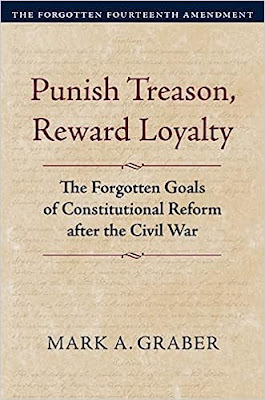
Mark A. Graber, Punish Treason, Reward Loyalty: The Forgotten Goals of Constitutional Reform after the Civil War (University of Kansas Press, 2023)
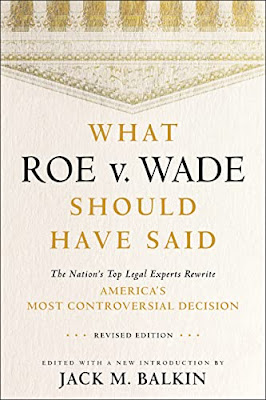
Jack M. Balkin, What Roe v. Wade Should Have Said: The Nation's Top Legal Experts Rewrite America's Most Controversial Decision - Revised Edition (NYU Press, 2023)

Andrew Koppelman, Burning Down the House: How Libertarian Philosophy Was Corrupted by Delusion and Greed (St. Martin’s Press, 2022)

Gerard N. Magliocca, Washington's Heir: The Life of Justice Bushrod Washington (Oxford University Press, 2022)
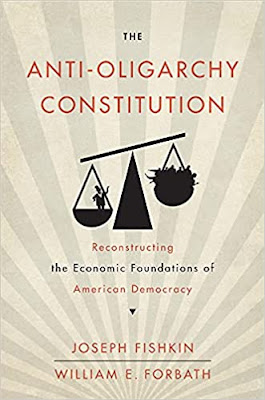
Joseph Fishkin and William E. Forbath, The Anti-Oligarchy Constitution: Reconstructing the Economic Foundations of American Democracy (Harvard University Press, 2022)
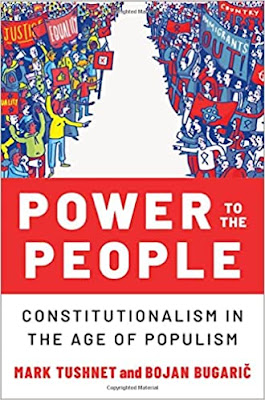
Mark Tushnet and Bojan Bugaric, Power to the People: Constitutionalism in the Age of Populism (Oxford University Press 2021).

Mark Philip Bradley and Mary L. Dudziak, eds., Making the Forever War: Marilyn B. Young on the Culture and Politics of American Militarism Culture and Politics in the Cold War and Beyond (University of Massachusetts Press, 2021).

Jack M. Balkin, What Obergefell v. Hodges Should Have Said: The Nation's Top Legal Experts Rewrite America's Same-Sex Marriage Decision (Yale University Press, 2020)

Frank Pasquale, New Laws of Robotics: Defending Human Expertise in the Age of AI (Belknap Press, 2020)

Jack M. Balkin, The Cycles of Constitutional Time (Oxford University Press, 2020)

Mark Tushnet, Taking Back the Constitution: Activist Judges and the Next Age of American Law (Yale University Press 2020).

Andrew Koppelman, Gay Rights vs. Religious Liberty?: The Unnecessary Conflict (Oxford University Press, 2020)

Ezekiel J Emanuel and Abbe R. Gluck, The Trillion Dollar Revolution: How the Affordable Care Act Transformed Politics, Law, and Health Care in America (PublicAffairs, 2020)

Linda C. McClain, Who's the Bigot?: Learning from Conflicts over Marriage and Civil Rights Law (Oxford University Press, 2020)
Sanford Levinson and Jack M. Balkin, Democracy and Dysfunction (University of Chicago Press, 2019)

Sanford Levinson, Written in Stone: Public Monuments in Changing Societies (Duke University Press 2018)

Mark A. Graber, Sanford Levinson, and Mark Tushnet, eds., Constitutional Democracy in Crisis? (Oxford University Press 2018)

Gerard Magliocca, The Heart of the Constitution: How the Bill of Rights became the Bill of Rights (Oxford University Press, 2018)

Cynthia Levinson and Sanford Levinson, Fault Lines in the Constitution: The Framers, Their Fights, and the Flaws that Affect Us Today (Peachtree Publishers, 2017)

Brian Z. Tamanaha, A Realistic Theory of Law (Cambridge University Press 2017)

Sanford Levinson, Nullification and Secession in Modern Constitutional Thought (University Press of Kansas 2016)

Sanford Levinson, An Argument Open to All: Reading The Federalist in the 21st Century (Yale University Press 2015)

Stephen M. Griffin, Broken Trust: Dysfunctional Government and Constitutional Reform (University Press of Kansas, 2015)

Frank Pasquale, The Black Box Society: The Secret Algorithms That Control Money and Information (Harvard University Press, 2015)

Bruce Ackerman, We the People, Volume 3: The Civil Rights Revolution (Harvard University Press, 2014)
Balkinization Symposium on We the People, Volume 3: The Civil Rights Revolution

Joseph Fishkin, Bottlenecks: A New Theory of Equal Opportunity (Oxford University Press, 2014)

Mark A. Graber, A New Introduction to American Constitutionalism (Oxford University Press, 2013)

John Mikhail, Elements of Moral Cognition: Rawls' Linguistic Analogy and the Cognitive Science of Moral and Legal Judgment (Cambridge University Press, 2013)

Gerard N. Magliocca, American Founding Son: John Bingham and the Invention of the Fourteenth Amendment (New York University Press, 2013)

Stephen M. Griffin, Long Wars and the Constitution (Harvard University Press, 2013)

Andrew Koppelman, The Tough Luck Constitution and the Assault on Health Care Reform (Oxford University Press, 2013)

James E. Fleming and Linda C. McClain, Ordered Liberty: Rights, Responsibilities, and Virtues (Harvard University Press, 2013)
Balkinization Symposium on Ordered Liberty: Rights, Responsibilities, and Virtues

Andrew Koppelman, Defending American Religious Neutrality (Harvard University Press, 2013)

Brian Z. Tamanaha, Failing Law Schools (University of Chicago Press, 2012)

Sanford Levinson, Framed: America's 51 Constitutions and the Crisis of Governance (Oxford University Press, 2012)

Linda C. McClain and Joanna L. Grossman, Gender Equality: Dimensions of Women's Equal Citizenship (Cambridge University Press, 2012)

Mary Dudziak, War Time: An Idea, Its History, Its Consequences (Oxford University Press, 2012)

Jack M. Balkin, Living Originalism (Harvard University Press, 2011)

Jason Mazzone, Copyfraud and Other Abuses of Intellectual Property Law (Stanford University Press, 2011)

Richard W. Garnett and Andrew Koppelman, First Amendment Stories, (Foundation Press 2011)

Jack M. Balkin, Constitutional Redemption: Political Faith in an Unjust World (Harvard University Press, 2011)

Gerard Magliocca, The Tragedy of William Jennings Bryan: Constitutional Law and the Politics of Backlash (Yale University Press, 2011)

Bernard Harcourt, The Illusion of Free Markets: Punishment and the Myth of Natural Order (Harvard University Press, 2010)

Bruce Ackerman, The Decline and Fall of the American Republic (Harvard University Press, 2010)
Balkinization Symposium on The Decline and Fall of the American Republic

Ian Ayres. Carrots and Sticks: Unlock the Power of Incentives to Get Things Done (Bantam Books, 2010)

Mark Tushnet, Why the Constitution Matters (Yale University Press 2010)

Ian Ayres and Barry Nalebuff: Lifecycle Investing: A New, Safe, and Audacious Way to Improve the Performance of Your Retirement Portfolio (Basic Books, 2010)
.jpg)
Jack M. Balkin, The Laws of Change: I Ching and the Philosophy of Life (2d Edition, Sybil Creek Press 2009)

Brian Z. Tamanaha, Beyond the Formalist-Realist Divide: The Role of Politics in Judging (Princeton University Press 2009)
Andrew Koppelman and Tobias Barrington Wolff, A Right to Discriminate?: How the Case of Boy Scouts of America v. James Dale Warped the Law of Free Association (Yale University Press 2009)

Jack M. Balkin and Reva B. Siegel, The Constitution in 2020 (Oxford University Press 2009)

Heather K. Gerken, The Democracy Index: Why Our Election System Is Failing and How to Fix It (Princeton University Press 2009)

Mary Dudziak, Exporting American Dreams: Thurgood Marshall's African Journey (Oxford University Press 2008)

David Luban, Legal Ethics and Human Dignity (Cambridge Univ. Press 2007)

Ian Ayres, Super Crunchers: Why Thinking-By-Numbers is the New Way to be Smart (Bantam 2007)

Jack M. Balkin, James Grimmelmann, Eddan Katz, Nimrod Kozlovski, Shlomit Wagman and Tal Zarsky, eds., Cybercrime: Digital Cops in a Networked Environment (N.Y.U. Press 2007)
Jack M. Balkin and Beth Simone Noveck, The State of Play: Law, Games, and Virtual Worlds (N.Y.U. Press 2006)

Andrew Koppelman, Same Sex, Different States: When Same-Sex Marriages Cross State Lines (Yale University Press 2006)

Brian Tamanaha, Law as a Means to an End (Cambridge University Press 2006)

Sanford Levinson, Our Undemocratic Constitution (Oxford University Press 2006)

Mark Graber, Dred Scott and the Problem of Constitutional Evil (Cambridge University Press 2006)

Jack M. Balkin, ed., What Roe v. Wade Should Have Said (N.Y.U. Press 2005)

Sanford Levinson, ed., Torture: A Collection (Oxford University Press 2004)
Balkin.com homepage
Bibliography
Conlaw.net
Cultural Software
Writings
Opeds
The Information Society Project
BrownvBoard.com
Useful Links
Syllabi and Exams
