Balkinization
an unanticipated consequence of
Jack M. Balkin
Balkinization Symposiums: A Continuing List
E-mail:
Jack Balkin:
jackbalkin at yahoo.com
Bruce Ackerman
bruce.ackerman at yale.edu
Ian Ayres
ian.ayres at yale.edu
Corey Brettschneider
corey_brettschneider at brown.edu
Mary Dudziak
mary.l.dudziak at emory.edu
Joey Fishkin
joey.fishkin at gmail.com
Heather Gerken heather.gerken at yale.edu
Abbe Gluck abbe.gluck at yale.edu
Mark Graber
mgraber at law.umaryland.edu
Stephen Griffin
sgriffin at tulane.edu
Jonathan Hafetz
jonathan.hafetz at shu.edu
Jeremy Kessler
jkessler at law.columbia.edu
Andrew Koppelman
akoppelman at law.northwestern.edu
Marty Lederman
msl46 at law.georgetown.edu
Sanford Levinson
slevinson at law.utexas.edu
David Luban
david.luban at gmail.com
Gerard Magliocca
gmaglioc at iupui.edu
Jason Mazzone
mazzonej at illinois.edu
Linda McClain
lmcclain at bu.edu
John Mikhail
mikhail at law.georgetown.edu
Frank Pasquale
pasquale.frank at gmail.com
Nate Persily
npersily at gmail.com
Michael Stokes Paulsen
michaelstokespaulsen at gmail.com
Deborah Pearlstein
dpearlst at yu.edu
Rick Pildes
rick.pildes at nyu.edu
David Pozen
dpozen at law.columbia.edu
Richard Primus
raprimus at umich.edu
K. Sabeel Rahmansabeel.rahman at brooklaw.edu
Alice Ristroph
alice.ristroph at shu.edu
Neil Siegel
siegel at law.duke.edu
David Super
david.super at law.georgetown.edu
Brian Tamanaha
btamanaha at wulaw.wustl.edu
Nelson Tebbe
nelson.tebbe at brooklaw.edu
Mark Tushnet
mtushnet at law.harvard.edu
Adam Winkler
winkler at ucla.edu
Compendium of posts on Hobby Lobby and related cases
The Anti-Torture Memos: Balkinization Posts on Torture, Interrogation, Detention, War Powers, and OLC
The Anti-Torture Memos (arranged by topic)
Recent Posts
Misplaced Priorities?
![[Powered by Blogger]](https://lh3.googleusercontent.com/blogger_img_proxy/AEn0k_szJxbOj_xzyNwWzSH6XEwyCo26rjmV17MCV4ivrBUXrEgeDTK-w23cwjwe3oD47S4sEjNzfWAvaQnZmF7_dOWglRHcl7bFwRmrSww0ZFns=s0-d)
Just A Few Blogs
ACS Blog
Alas, a Blog
Althouse
Arts and Letters Daily
Atrios (Eschaton)
Bill of Health
Buzzflash.com
Buzz Machine
Cato at Liberty
Juan Cole (Informed Comment)
Concurring Opinions
The Constitution in 2020
Corrente
Crooked Timber
Daily Howler
Daily Kos
Dana Boyd
Brad DeLong
Digby (Hullabaloo)
Discriminations
Daniel Drezner
Kevin Drum (Mother Jones)
Electrolite
En Banc
Eunomia (Daniel Larison)
Fafblog
Michael Froomkin (Discourse.net)
GovLab (Beth Noveck)
Rick Hasen (Election Law)
History News Network
How Appealing
Ignatz (Sam Heldman)
The Importance of (Ernie Miller)
Infolaw
Instapundit
International Economic Law and Policy Blog
IntLawGrrls
Jacob Levy
Jesus' General
Jurisdynamics
The Kitchen Cabinet
Mark Kleiman
Law Blog Central
Larry Lessig
Lawyers, Guns and Money
Liberal Oasis
Brian Leiter's Law School Reports
The Leiter Reports
Marginal Revolution
Megan McArdle
Memeorandum
Metafilter
Mirror of Justice
The New Republic
Newseum
No More Mister Nice Blog
Brendan Nyhan
Opinio Juris
Orcinus
The Originalism Blog
Pandagon
Passport (Foreign Policy)
Overcoming Bias
Political Animal (Washington Monthly)
Political Theory Daily Review
Political Wire (Taegan Goddard)
The Poor Man
Virginia Postrel
Prawfsblawg
Public Reason
Jonathan Rauch
Raw Story
Redstate
ReligiousLeftLaw.com
Reporters Committee For Freedom of the Press
Reproductive Rights Blog
Rothman's Roadmap to the Right of Publicity
SCOTUS Blog
Seeing the Forest
Clay Shirky
The Shifted Librarian
The Situationist
Larry Solum (Legal Theory)
Andrew Sullivan
Talking Points Memo
Talk Left
Tapped
Tbogg
TechPresident
The Paper Chase (Jurist)
Tom Paine
Tom Tomorrow (This Modern World)
Eve Tushnet
Uggabugga
University of Chicago Law School Faculty Blog
Unqualified Offerings
The Volokh Conspiracy
War and Piece (Laura Rozen)
Wampum
Oliver Willis
Wonkette
Written Description
Matthew Yglesias
Yin
Your Choice of Feeds
1. XML
powered by

2. Atom Feed
3. RSS 2.0
Misplaced Priorities?
Marty Lederman
In a comment to my post below about the terrible devastation in Iraq, my colleague Mike Seidman quite rightly questions why the bloggers on this site have been so focused on other, less momentous questions. Mike writes:Marty and Scott are right about this, but it's not just the media that have things out of proportion. Consider the tremendous amount of ink spilled by bloggers on this and other sites (well, actually "ink" is not quite the right word) on the issue of torture and detainee mistreatment. Yes, Bush administration policies on these matters are disgraceful, but perhaps several dozen people have been "coercively interrogated," while over half a million have been killed in a completely senseless war. Of course, the existence of a monstrous crime does not excuse lesser crimes, and the destruction produced by the overall war does not justify individual acts of brutality. Still, one has to ask why so much attention has been paid to relatively small matters when much larger evils are right before our eyes. Worse, the focus on torture coupled with silence about the overall slaughter in Iraq implicitly sends a very disturbing message: that things would be just fine if only the war were "sanitized" by, e.g., obeying the Geneva Conventions. Well, they would not be just fine, and we need to say so.
Mike has, quite rightly, been pressing me and others on this point for well over a year now. Indeed, he has asked the same question of himself, since he has written very carefully and powerfully in the past two years on the question of torture.
We're collectively verging on 400 posts now about torture, Article II, electronic surveillance and the like, but we have spent far less time blogging, or complaining, about the enormous death tolls in Iraq, which are surely a far greater tragedy than all of the detention and interrogation abuses combined. Why is that?
I don't have time right now to offer a full, or satisfying, response. I'd be curious to hear from my fellow bloggers on the question. A modest beginning of an answer would be this: I don't have very much of value to add to the public discussion on the wisdom or morality of the Iraq war, or on questions of what we should do now that we're there; but I hope that I've been able to add something of value to the "torture debates," by virtue of my understanding of Executive lawyering and my study of the statutory and international-law issues on detention, interrogation, Geneva, etc. This doesn't make the torture question nearly as important as the question of whether we should have gone to war in Iraq (and the question of what we should do now that we've decimated the country). But I hope that it explains, in part, why I've limited my blogging to some topics rather than others.
Still, that doesn't quite explain why the torture question has captured our attention in a way that greater atrocities have not. For historical and contextual reasons, the notion that torture has become official U.S. policy -- after the U.S. had taken the lead for more than 200 years in the effort to eradicate and universally condemn at least this one discrete barbaric practice -- has had a powerful pull on many of us, despite the fact that in terms of sheer terror and devastation and tragedy, torture is barely a blip compared to what the U.S. and its allies and enemies have unleashed in Iraq.
Is Mike right? Are we too obsessed with process norms, and with compliance with long-established laws of war? Have we unduly fetishized Geneva? (Does international law generally paper over the horrors of war by pretending to bring it within manageable legal structures?) Does our "focus on torture coupled with silence about the overall slaughter in Iraq implicitly send a very disturbing message that things would be just fine if only the war were 'sanitized'"?
Posted
4:18 PM
by Marty Lederman [link]
I thought the casualty statistics commonly posted on a news service I read have a proportionality usually of approximately 6 GIs dying, 18 GIs lying wounded, 30 insurgents deceased lumped in the same cipher as civilians or civilians unreported entirely. Now we see the civilian casualty figure beginning to emerge; word earlier was Iraqis themselves reported meagerly in their own media on their civilian deaths from the war. Finally there would be the civilian wounded number. It is worthwhile working on law to avert the scar which is armed conflict.

At the risk of tooting my own horn, the whole idea behind repeal-aumf.org is that by attacking the legislative embodiment of the fallacious "war" on "terror" we undercut all the evils which follow, from H.R. 3162 (the so called "patriot" act) to the unprovoked invasion and occupation of Iraq, to the MCA and all the rest. Sometimes we have to engage folks where they will let you, so I've spent a bit more time on more topical matters; but the focus remains the same.
I'm not a lawyer, but it's nevertheless a fact that I read the 2001.11.13 Bush Presidential Military Order on Detentions etc ("PMO") the day it was issued and immediately resolved to do everything in my power to oppose it because I understood that its only purpose was to commit WAR CRIMES against prisoners. By February 2002 my concept of the project was explicity a criminal investigation pursuant to 18 USC 2441; I've been working on it as such ever since.
And I opposed the rape of Iraq from the start, understanding that it was a needless and fraudulent CRIME AGAINST PEACE.
But there is a problem... we don't have a statute for crimes against peace; all we have there is the IMT Charter and the Kellogg-Briand Pact. For war crimes, we have 18 USC 2441, and proof to a logical certainty on the strength of the administration's own public statements and documents.
So my attitude towards the administration's crimes in Iraq is simple: it will require a full investigation once they are out of office, and it will likely require an international tribunal to prosecute those crimes fully.
That's all been on my radar from the start, but their biggest crimes aren't the unlawful detentions, the torture, or even the wanton rape of places like Afghanistan and Iraq -- no, their *worst* crime is their systematic effort to subvert the law to criminal purposes and to appoint judges who would actively support their corrupt schemes.
That's their worst crime: attempting to subvert the Constitution and laws of the United States...
"Corruption is the worst crime -- worse than robbery, arson, mayhem, worse than rape and murder. By starving law enforcement, it feeds these other crimes; it is the progenitor of lawlessness. More: through its example, it debilitates the conscience. It poisons our society; it poisons our souls. * * * The litigant who uses influence to affect the outcome of a case, and the judge who bends to that influence, are our most heinous criminals. How can we respect the law when we find calculated injustice in our halls of justice? And without regard for justice, without respect for law (brother though not twin), our civilization cannot function. Anyone who tries to fix a traffic ticket is damaging all of us."
-- CHARLES REMBAR, The Law of the Land (NY 1980), page 299.
And here we are: Congress just passed a law -- The Military Commissions Act of 2006 -- that has no purpose except to aid and abet crimes.
This nonsense has been clear to me for five years: I mean to see them prosecuted and punished for their crimes or die trying.
Charly
The truth of the matter is that we write about not only that which we know of but also that which we believe affects us. In an attempt at defense there is a lot less information available about those events and people.
msftjn
My answer is that it would be so easy to fix this torture stuff that the opportunity to work towards fixing it is too good to pass up. This isn't like poverty or war or North Korea or global warming: those are legitimately hard problems in a lot of ways, but this just isn't: if we'd just flip a switch and go back to the rules we had in 2000, then the entire issue goes away. There aren't many issues like that, where a simple procedural change can just eliminate a problem, and do it at no cost (except politically). Actually, I can't think of a single problem with a solution as easy as this one (not invading Iraq would have been an easy "solution" to the violence there, but unless someone has a time machine, no policy option seems likely to fix it today).
Global warming is probably among the biggest issues of the next century, and also one of the hardest (reducing emissions per Kyoto wouldn't affect global temperatures much at this point, as I understand it). At this point, the situation in Iraq might be similar. If I'm right about all of this, then torture might actually be one of the best issues to address (or might reasonably seem that way). Keep in mind that Balkin was writing about Iraq when it was an "easy issue" in 2003.
So that's my answer. David Luban's answer (from his chapter in Karen Greenberg's The Torture Debate in America) is also pretty accurate, I think. He "justify" it in the sense that Seidman is looking for, but it's still relevant, because I think it goes a long way to explain it. The short version of his argument is that torture is unambiguously totalitarian in a way that death by bombing or poverty isn't. It's the essence of totalitarianism, really, which is why it figured so prominently in 1984. It's about breaking people, and it obliterates liberty (supposedly the quintessential American value) in a way that not even death doesn't. As a result, it's a greater threat to our moral identity as Americans (which is fundamentally based on opposition to tyranny) than ecological destruction, bombing, poverty, and so on regardless of the relative magnitudes of the destruction. Is that rational? Maybe not. But these sorts of issues play a huge role in all sorts of moral decisions. The psychological difference between flicking a switch (even when the switch is hooked up to a large bomb that annihilates a city block) on the one hand and personally making someone scream in pain and terror seems relevant, even when it isn't.
Lastly, the fact that it's much more likely to affect us personally (Padilla is an American citizen) probably plays a role, too. Again, that's hard to justify, but it probably does have an important effect on the way we think about these issues.
This blog led me to a draft copy of "Torture and Postive Law: Jurisprudence for the White House" by Jeremy Waldron, which Dahlia Lithwick recently cited in one of her columns. An edited final version now published.
Waldron noted that rules against torture (and so forth) is "archetypal of a certain policy" that is basic to our law, a certain lack of brutality, a respect for the individual.
Such lack writ large results in us bemoaning (RIP) the death of a Yankee player in a tragic accident but being able to write off the hundred of thousands cited in the Lancet report. War is brutal, and in some true sense they are "other," not to be a matter of ultimate concern.
No respect for the individual. But like a character in the movie "The Core" noted, we cannot think about humanity writ large all the time. It is too huge. We have too think small, the well being of a few. They are representatives of a broader mass.
So, no, I understand the focus, and it is valid.
First, I don't think that respect for the rules alone would cure all of the problems the US faces in Iraq and Afghanistan. I think the major problems stem from tactical misassessments - and for the most part these are not the misassessments of the uniformed professionals who do this for a living, but of political appointees who approach everything with preconceptions and disregard the advice of the uniformed professionals. Following our own rules would help with morale and would help our image, and in a "hearts and minds" conflict, those two factors are very important.
Second, I'm a lawyer and I engage in discourse principally in areas that concern my profession. So my major engagement relating to the war on terror is legal policy issues.
Third, I believe that within the world of legal policy, the question of torture is extremely powerful. It's about much more than a few hundred (or even a few thousand) detainees being seriously mistreated - though in my book that's nothing to dismiss lightly. About a year ago, I was invited to a small meeting with former presidents of the Chilean and Argentinean bar associations, who were visiting in the US and who asked to meet with some bar association representatives working on the torture issue. A very distinguished Chilean told me "It is very important not to allow the subject of torture be dismissed as a technical question of efficient interrogation. We had long experience with this in the mid and late seventies. And after a short time it was clear to all of it that it had nothing to do with intelligence. It was all about leaders demonstrating that they are above the law and cannot be held to account. Torture is a kind of talisman this way. In opposing it, you are vindicating the rule of law, and that is what our profession is all about." His Argentine colleague said essentially the same thing. The more things unfold in the US, the more I see the wisdom of those words.
We're collectively verging on 400 posts now about torture, Article II, electronic surveillance and the like, but we have spent far less time blogging, or complaining, about the enormous death tolls in Iraq, which are surely a far greater tragedy than all of the detention and interrogation abuses combined. Why is that?
Probably because you imagine that the former can be directed against you personally while you are far removed from the latter.
In contrast, my more hardline and supportive view of the former intelligence gathering and detention arises because I realize that the Islamic facist enemy against which these acts are directed are the ones who have perpetrated the latter terrible devastation in Iraq as well as in NYC, Madrid, London, Istanbul, Bali, Saudi, Yemen, Afghanistan, Pakistan, Indonesia, the Philippines and other places around the world.
When the enemy's mass murder of thousands of civilians is placed on one end of the scale, any concerns for their "rights" during intelligence gathering and detention on the other end are substantially outweighed.
More Americans died in traffic accidents than in combat during the Vietnam War, therefore we shouldn't have been concerned with the war deaths?
How about time considerations? The 655 thousand Iraqi deaths are within a four-year span. The changes to our laws may deform the remaining history of our nation (present population 300 million), however long it lasts.
Yes, Bart, this time you are spot on. So long as you can imagine these methods are always and only used against a demonized other you will be for them. Not until it is you, or your brother, or some other falsely accused personal acquaintance, being subjected to these methods will you say "torture and kidnapping" instead of "intelligence gathering and detention". As a warrior you can be excused this myopia; as an attorney it is unpardonable.
Bart:...any concerns for their "rights" during intelligence gathering and detention on the other end are substantially outweighed.
Yes, Bart, this time you are spot on. So long as you can imagine these methods are always and only used against a demonized other you will be for them.
The enemy's actions speak for themselves. They are not the victims of "demonization."
Not until it is you, or your brother, or some other falsely accused personal acquaintance, being subjected to these methods will you say "torture and kidnapping" instead of "intelligence gathering and detention".
You need to give me a current example of this before I see a problem.
I opposed the Padilla detention as an enemy combatant as did many other conservatives like Scalia. Rather, Padilla should have been charged with treason and/or any other applicable criminal statute.
The Administration was wrong in this case and backed down. As a result, the MSA expressly distinguishes between citizens and alien enemy combatants. Furthermore, Justice has indicted the American al Qaeda propagandist, Adam Yahiye Gadahn, for treason in a civilian court.
This is how it should be.
As a warrior you can be excused this myopia; as an attorney it is unpardonable.
As a warrior and an attorney, I dare say that I have perspectives from both worlds that give me an advantage over one or the other in seeing the practical application of the laws of war.
Interestingly, when the actual ruling came to the SC, Scalia joined Rehnquist's five justice faux punt job.
Scalia dissented in Hamdi though the cynical would note it was a dissent after all. So, I'm unclear if Scalia actually did officially "oppose" Padilla's detention, esp. since the two are not really the same case.
That's exactly what I am saying, and thank you for supporting my point: you are incapable of considering the ramifications of certain policies on the innocent. But you have also shown, in your partisan posturing, that I shouldn't waste any more of my time or our hosts' pixels on you. Peace, and out.
That said, I've also posted some observations on the Hopkins study estimating 655,000 Iraqi deaths since we invaded. But as I sit here thinking about this, I find myself wondering why I am so much more appalled at the idea of 655,000 deaths than I was when the number was estimated at 30,000 or 50,000. Yes, it's a frighteningly high number, but if you assume, as I do, that the war was wrong to begin with, any number of deaths is unacceptable.
Cara mengobati kanker dengan herbal, Cara mengobati kanker dengan tradisional, Cara mengobati kanker dengan alami, Cara mengobati kanker dengan cepat, Cara mengobati kanker stadium 3, Cara mengobati kanker stadium 4, Cara mengobati kanker stadium awal, Cara mengobati kanker stadium 2, Cara mengobati kanker stadium akhir, Cara mengobati kanker tanpa ke dokter, Gambar obat kanker yang ampuh, Gambar obat kanker yang ampuh, Obat kanker ampuh dengan singkong, Cara mengobati kanker stadium awal tanpa operasi, Obat kanker manjur dari tumbuhan, Cara mengobati kanker stadium 1 tanpa operasi, Obat kanker ampuh dengan daun sirsak, Cara mengobati kanker stadium 2 tanpa operasi, Obat kanker paling mujarab yang efektif, Cara mengobati kanker stadium 3 tanpa operasi, Cara mengobati kanker stadium 3, Cara mengobati kanker stadium 4 tanpa operasi, Obat kanker paling manjur 2016, Cara mengobati kanker stadium akhir tanpa operasi, Pengobatan kanker mujarab tanpa operasi, Cara pengobatan kanker yang manjur, Pengobatan kanker manjur dan aman, Cara pengobatan kanker yang mujarab, Cara pengobatan kanker tanpa operasi, Cara pengobatan kanker yang ampuh, Obat kanker mujarab tanpa operasi, Obat kanker manjur tanpa operasi, Obat De Nature

Obat jengger ayam paling murah, Obat jengger ayam alami dan ampuh, Obat jengger ayam di apotik ampuh, Obat jengger ayam manjur tanpa operasi, Obat jengger ayam herbal, Cara obat jengger ayam ampuh, Ciri ciri penyakit jengger ayam, Gejala penyakit jengger ayam dan obatnya, Gambar penyakit jengger ayam, Obat mujarab untuk penyakit jengger ayam, Pengobatan de nature jengger ayam, Obat jengger ayam di apotik, Obat jengger ayam mujarab, Pengobatan jengger ayam untuk wanita, Penyakit kelamin jengger ayam, Cara mengobati jengger ayam, Pengobatan jengger ayam manjur, Pengobatan jengger ayam paling murah, Pengobatan penyakit jengger ayam kutil kelamin, Obat alami untuk penyakit jengger ayam, Pengobatan penyakit jengger ayam kutil kelamin, Cara mengobati jengger ayam, Cara menyembuhkan jengger ayam, Cara menghilangkan jengger ayam, Cara mengatasi jengger ayam, Cara pengobatan jengger ayam tradisional, Cara pengobatan jengger ayam herbal, Cara pengobatan jengger ayam alami, Cara pengobatan jengger ayam alternatif, Obat jengger ayam murah, Obat De Nature
Obat Ambeien Dalam
Obat Ambeien Tradisional Cina
Obat Ambeien Ardium
Obat Ambeien Herbal Yang Ampuh
Obat Ambeien Salep
Obat Ambeien Ibu Menyusui
Obat Ambeien Untuk Anak
Obat Ambeien Apotik
Obat Ambeien Ambeclear
Obat Wasir Yang Murah dan Ampuh
Obat Ambeien Secara Alami
Obat Ambeien 3 Hari Tuntas | Cara Mengobati Wasir
Obat Ambeien 3 Hari Tuntas | Cara Mengobati Wasir
Obat Ambeien 3 Hari Tuntas | Cara Mengobati Wasir
Obat Ambeien 3 Hari Tuntas | Cara Mengobati Wasir
Obat Ambeien 3 Hari Tuntas | Cara Mengobati Wasir
Obat Ambeien 3 Hari Tuntas | Cara Mengobati Wasir
Obat Ambeien 3 Hari Tuntas | Cara Mengobati Wasir
Obat Ambeien 3 Hari Tuntas | Cara Mengobati Wasir
Obat Ambeien 3 Hari Tuntas | Cara Mengobati Wasir
Obat Ambeien 3 Hari Tuntas | Cara Mengobati Wasir
obat alami untuk mencegah kanker serviks
obat medis untuk kanker serviks
wwwobat kanker serviks
obat vaksin kanker serviks
obat untuk mengatasi kanker serviks
Tumbuhan untuk obat kanker serviks
Obat untuk menyembuhkan kanker serviks
obat untuk penderita kanker serviks
obat tradisional untuk kanker serviks
obat utk kanker serviks
obat untuk kanker serviks
obat tradisional utk kanker serviks
sirsak obat kanker serviks
obat sakit kanker serviks
hello world obat untuk kanker rahim stadium 3
obat herbal kanker rahim stadium 4
obat kanker rahim stadium 1 1
Obat kanker rahim stadium 2
Obat penyakit herpes kelamin pria
obat herpes kulit kumpulan tips
obat herpes apa
obat herpes biar cepat kering
obat buat herpes genital
obat herpes genital wanita
obat herpes kulit alami
obat herpes mujarab
obat herpes pada mulut
obat herpes resep dokter
obat herpes tumbuhan
obat tradisional herpes genital
obat herpes kulit kumpulan tips
obat herpes apa
obat herpes biar cepat kering
obat buat herpes genital
obat herpes genital wanita
obat herpes kulit alami
obat herpes mujarab
obat herpes pada mulut
obat herpes resep dokter
obat herpes tumbuhan
obat tradisional herpes genital
kanker serviks gejala awal
kanker serviks pdf
kanker serviks stadium 1b
kanker serviks jupe
kanker serviks stadium 3
kanker serviks stadium 3b
kanker serviks stadium 2
kanker serviks stadium awal
kanker serviks stadium akhir
kanker serviks disebabkan oleh
kanker serviks gejala
obat herpes
obat herpes alami
obat herpes simplex
obat herpes paling ampuh
obat herpes simpleks
obat herpes bibir
obat herpes di mulut
obat herpes kulit kumpulan tips
obat herpes asiklovir
obat herpes buat ibu hamil
obat herpes bagi bayi
pengobatan herpes berapa lama
obat herpes cepat sembuh
obat herpes cepat kering
obat herpes genital manjur
obat herpes genital manjur
obat kanker serviks manjur
obat herpes genital manjur
obat kanker serviks manjur
obat kanker serviks manjur
obat kanker serviks manjur
obat kanker serviks manjur
obat kanker serviks manjur
obat kanker serviks manjur
obat kanker serviks manjur
obat kanker serviks manjur
obat kanker serviks manjur
obat kanker serviks manjur
obat kanker serviks manjur
obat kanker serviks manjur
obat kanker serviks manjur
obat herpes genital manjur
obat herpes genital manjur
obat herpes genital manjur
obat herpes genital manjur
obat herpes genital manjur
obat herpes genital manjur
obat herpes genital manjur
obat herpes genital manjur
obat herpes genital manjur
obat herpes genital manjur
obat herpes genital manjur
obat herpes genital manjur
obat herbal kanker serviks ampuh
Obat herbal kanker serviks paten
obat herbal kanker serviks manjur
obat herbal kanker serviks mujarab
obat herbal kanker serviks terpercaya
obat herbal kanker servik
obat herbal kanker servik ampuh
obat herbal kanker servik manjur
Obat herbal kanker servik mujarab
obat herbal kanker servik paten
obat herbal kanker servik terpercaya
obat herbal herpes genital klik disini
Obat herbal herpes genital baca sekarang
obat herbal herpes genital manjur
obat herbal herpes genital ampuh
obat herbal herpes genital 2016
obat herpes genital herbal 2015
obat herpes genital herbal 2016
Obat herpes genital herbal bulan ini
obat herpes genital herbal klik sekarang
obat herpes genital herbal 1945
obat herpes genital herbal manjur
obat herbal herpes genital berkhasiat
Obat herbal herpes di yogya
obat herbal herpes tkw
obat herbal herpes di sumatera utara
obat herbal herpes di kalimantan tengah
obat herbal herpes di kalimantan barat
obat herbal herpes di sulawesi barat
obat herbal herpes di bali
obat herbal herpes di kepulaun riau
Obat herbal herpes di jakarta utara
obat herbal herpes di apotik
obat herbal herpes di bangka belitung
obat kanker serviks manjur
obat kanker serviks manjur
obat kanker serviks manjur
obat kanker serviks manjur
obat kanker serviks manjur
obat kanker serviks manjur
obat kanker serviks manjur
obat kanker serviks manjur
obat kanker serviks manjur
obat kanker serviks manjur
obat kanker serviks manjur
obat kanker serviks manjur
obat kanker serviks manjur
obat kanker serviks menurut dokter
Obat herbal kanker serviks pada umumnya
Obat tradisional kanker serviks paten
obat tradisional kanker serviks manjur
obat tradisional kanker serviks mujarab
obat tradisional kanker serviks ampuh
obat tradisional kanker serviks herbal ampuh
obat tradisional kanker serviks herbal mujarab
obat tradisional kanker serviks herbal paten
Obat tradisional kanker serviks herbal manjur
obat tradisional kanker serviks herbal
obat tradisional kanker serviks herbal spesial
obat kanker serviks manjur herbal khusus
obat kanker serviks manjur herbal khusus wanita
obat tradisional kanker serviks herbal ampuh
Obat kanker serviks manjur herbal khusus umum
obat tradisional kanker serviks herbal
obat herpes herbal alamiah
obat herbal tradisonal herpes genital ampuh
Obat herbal alamiah herpes genital
Obat herbal alamiah herpes genital
Obat tradisional herpes genital manjur
obat tradisional herpes genital ampuh
obat tradisional herpes genital paten
obat herbal tradisional herpes genital ampuh
obat herbal tradisional herpes genital
obat tradisional herpes genital terbukti manjur
Obat herbal tradisional herpes genital paten
obat tradisional herpes genital terbukti
obat herbal tradisional herpes genital
obat herbal tradisional herpes genital manjur
obat herbal tradisional herpes genital
obat herbal tradisional herpes genital
obat herbal tradisional herpes genital
obat tradisional herpes genital herbal manjur
obat herbal tradisional herpes genital
obat kanker serviks manjur
obat kanker serviks manjur
obat kanker serviks manjur
obat kanker serviks manjur
obat kanker serviks manjur
obat kanker serviks manjur
obat kanker serviks manjur facebook
obat herpes genital manjur
obat herpes genital manjur
obat herpes genital manjur
obat herpes genital manjur
obat herpes genital manjur
obat herpes genital manjur
obat herpes genital manjur
obat herpes genital manjur
obat herpes genital manjur
obat herpes genital manjur
obat herpes genital manjur
obat herpes genital manjur
obat herpes genital manjur
obat herpes genital manjur
obat herpes genital manjur
obat herpes genital manjur
obat herpes genital manjur
obat herpes genital manjur
obat herpes genital manju
Obat herpes genital manjur
Obat herpes genital manujur di youtube
Obat kanker dan herpes di twitter
obat herpes genital manjur facebook
Books by Balkinization Bloggers

Gerard N. Magliocca, The Actual Art of Governing: Justice Robert H. Jackson's Concurring Opinion in the Steel Seizure Case (Oxford University Press, 2025)

Linda C. McClain and Aziza Ahmed, The Routledge Companion to Gender and COVID-19 (Routledge, 2024)

David Pozen, The Constitution of the War on Drugs (Oxford University Press, 2024)

Jack M. Balkin, Memory and Authority: The Uses of History in Constitutional Interpretation (Yale University Press, 2024)
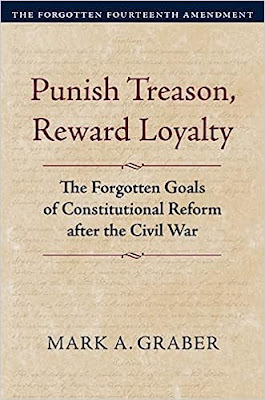
Mark A. Graber, Punish Treason, Reward Loyalty: The Forgotten Goals of Constitutional Reform after the Civil War (University of Kansas Press, 2023)
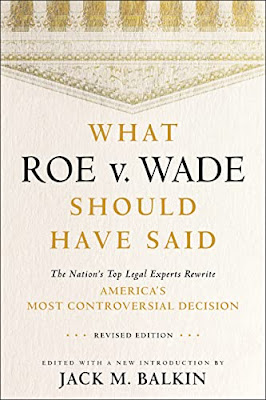
Jack M. Balkin, What Roe v. Wade Should Have Said: The Nation's Top Legal Experts Rewrite America's Most Controversial Decision - Revised Edition (NYU Press, 2023)

Andrew Koppelman, Burning Down the House: How Libertarian Philosophy Was Corrupted by Delusion and Greed (St. Martin’s Press, 2022)

Gerard N. Magliocca, Washington's Heir: The Life of Justice Bushrod Washington (Oxford University Press, 2022)
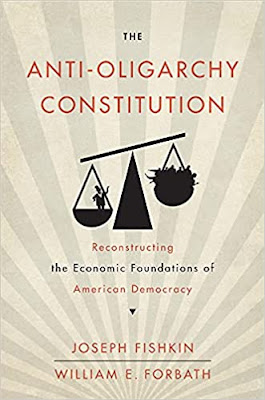
Joseph Fishkin and William E. Forbath, The Anti-Oligarchy Constitution: Reconstructing the Economic Foundations of American Democracy (Harvard University Press, 2022)
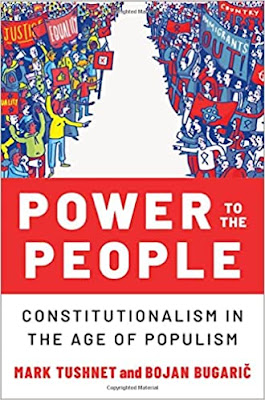
Mark Tushnet and Bojan Bugaric, Power to the People: Constitutionalism in the Age of Populism (Oxford University Press 2021).

Mark Philip Bradley and Mary L. Dudziak, eds., Making the Forever War: Marilyn B. Young on the Culture and Politics of American Militarism Culture and Politics in the Cold War and Beyond (University of Massachusetts Press, 2021).

Jack M. Balkin, What Obergefell v. Hodges Should Have Said: The Nation's Top Legal Experts Rewrite America's Same-Sex Marriage Decision (Yale University Press, 2020)

Frank Pasquale, New Laws of Robotics: Defending Human Expertise in the Age of AI (Belknap Press, 2020)

Jack M. Balkin, The Cycles of Constitutional Time (Oxford University Press, 2020)

Mark Tushnet, Taking Back the Constitution: Activist Judges and the Next Age of American Law (Yale University Press 2020).

Andrew Koppelman, Gay Rights vs. Religious Liberty?: The Unnecessary Conflict (Oxford University Press, 2020)

Ezekiel J Emanuel and Abbe R. Gluck, The Trillion Dollar Revolution: How the Affordable Care Act Transformed Politics, Law, and Health Care in America (PublicAffairs, 2020)

Linda C. McClain, Who's the Bigot?: Learning from Conflicts over Marriage and Civil Rights Law (Oxford University Press, 2020)
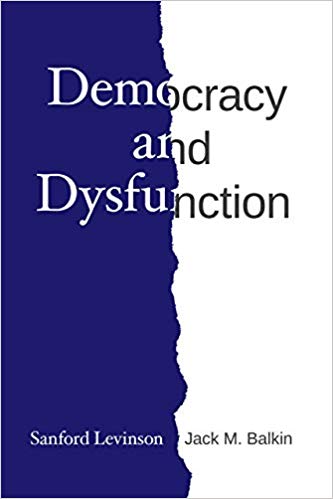
Sanford Levinson and Jack M. Balkin, Democracy and Dysfunction (University of Chicago Press, 2019)

Sanford Levinson, Written in Stone: Public Monuments in Changing Societies (Duke University Press 2018)

Mark A. Graber, Sanford Levinson, and Mark Tushnet, eds., Constitutional Democracy in Crisis? (Oxford University Press 2018)

Gerard Magliocca, The Heart of the Constitution: How the Bill of Rights became the Bill of Rights (Oxford University Press, 2018)

Cynthia Levinson and Sanford Levinson, Fault Lines in the Constitution: The Framers, Their Fights, and the Flaws that Affect Us Today (Peachtree Publishers, 2017)

Brian Z. Tamanaha, A Realistic Theory of Law (Cambridge University Press 2017)

Sanford Levinson, Nullification and Secession in Modern Constitutional Thought (University Press of Kansas 2016)

Sanford Levinson, An Argument Open to All: Reading The Federalist in the 21st Century (Yale University Press 2015)

Stephen M. Griffin, Broken Trust: Dysfunctional Government and Constitutional Reform (University Press of Kansas, 2015)

Frank Pasquale, The Black Box Society: The Secret Algorithms That Control Money and Information (Harvard University Press, 2015)

Bruce Ackerman, We the People, Volume 3: The Civil Rights Revolution (Harvard University Press, 2014)
Balkinization Symposium on We the People, Volume 3: The Civil Rights Revolution

Joseph Fishkin, Bottlenecks: A New Theory of Equal Opportunity (Oxford University Press, 2014)

Mark A. Graber, A New Introduction to American Constitutionalism (Oxford University Press, 2013)

John Mikhail, Elements of Moral Cognition: Rawls' Linguistic Analogy and the Cognitive Science of Moral and Legal Judgment (Cambridge University Press, 2013)

Gerard N. Magliocca, American Founding Son: John Bingham and the Invention of the Fourteenth Amendment (New York University Press, 2013)

Stephen M. Griffin, Long Wars and the Constitution (Harvard University Press, 2013)

Andrew Koppelman, The Tough Luck Constitution and the Assault on Health Care Reform (Oxford University Press, 2013)

James E. Fleming and Linda C. McClain, Ordered Liberty: Rights, Responsibilities, and Virtues (Harvard University Press, 2013)
Balkinization Symposium on Ordered Liberty: Rights, Responsibilities, and Virtues

Andrew Koppelman, Defending American Religious Neutrality (Harvard University Press, 2013)

Brian Z. Tamanaha, Failing Law Schools (University of Chicago Press, 2012)

Sanford Levinson, Framed: America's 51 Constitutions and the Crisis of Governance (Oxford University Press, 2012)

Linda C. McClain and Joanna L. Grossman, Gender Equality: Dimensions of Women's Equal Citizenship (Cambridge University Press, 2012)

Mary Dudziak, War Time: An Idea, Its History, Its Consequences (Oxford University Press, 2012)

Jack M. Balkin, Living Originalism (Harvard University Press, 2011)

Jason Mazzone, Copyfraud and Other Abuses of Intellectual Property Law (Stanford University Press, 2011)

Richard W. Garnett and Andrew Koppelman, First Amendment Stories, (Foundation Press 2011)

Jack M. Balkin, Constitutional Redemption: Political Faith in an Unjust World (Harvard University Press, 2011)

Gerard Magliocca, The Tragedy of William Jennings Bryan: Constitutional Law and the Politics of Backlash (Yale University Press, 2011)

Bernard Harcourt, The Illusion of Free Markets: Punishment and the Myth of Natural Order (Harvard University Press, 2010)

Bruce Ackerman, The Decline and Fall of the American Republic (Harvard University Press, 2010)
Balkinization Symposium on The Decline and Fall of the American Republic

Ian Ayres. Carrots and Sticks: Unlock the Power of Incentives to Get Things Done (Bantam Books, 2010)

Mark Tushnet, Why the Constitution Matters (Yale University Press 2010)

Ian Ayres and Barry Nalebuff: Lifecycle Investing: A New, Safe, and Audacious Way to Improve the Performance of Your Retirement Portfolio (Basic Books, 2010)
.jpg)
Jack M. Balkin, The Laws of Change: I Ching and the Philosophy of Life (2d Edition, Sybil Creek Press 2009)

Brian Z. Tamanaha, Beyond the Formalist-Realist Divide: The Role of Politics in Judging (Princeton University Press 2009)

Andrew Koppelman and Tobias Barrington Wolff, A Right to Discriminate?: How the Case of Boy Scouts of America v. James Dale Warped the Law of Free Association (Yale University Press 2009)

Jack M. Balkin and Reva B. Siegel, The Constitution in 2020 (Oxford University Press 2009)

Heather K. Gerken, The Democracy Index: Why Our Election System Is Failing and How to Fix It (Princeton University Press 2009)

Mary Dudziak, Exporting American Dreams: Thurgood Marshall's African Journey (Oxford University Press 2008)

David Luban, Legal Ethics and Human Dignity (Cambridge Univ. Press 2007)

Ian Ayres, Super Crunchers: Why Thinking-By-Numbers is the New Way to be Smart (Bantam 2007)

Jack M. Balkin, James Grimmelmann, Eddan Katz, Nimrod Kozlovski, Shlomit Wagman and Tal Zarsky, eds., Cybercrime: Digital Cops in a Networked Environment (N.Y.U. Press 2007)

Jack M. Balkin and Beth Simone Noveck, The State of Play: Law, Games, and Virtual Worlds (N.Y.U. Press 2006)

Andrew Koppelman, Same Sex, Different States: When Same-Sex Marriages Cross State Lines (Yale University Press 2006)

Brian Tamanaha, Law as a Means to an End (Cambridge University Press 2006)

Sanford Levinson, Our Undemocratic Constitution (Oxford University Press 2006)

Mark Graber, Dred Scott and the Problem of Constitutional Evil (Cambridge University Press 2006)

Jack M. Balkin, ed., What Roe v. Wade Should Have Said (N.Y.U. Press 2005)

Sanford Levinson, ed., Torture: A Collection (Oxford University Press 2004)
Balkin.com homepage
Bibliography
Conlaw.net
Cultural Software
Writings
Opeds
The Information Society Project
BrownvBoard.com
Useful Links
Syllabi and Exams
