Balkinization
an unanticipated consequence of
Jack M. Balkin
Balkinization Symposiums: A Continuing List
E-mail:
Jack Balkin:
jackbalkin at yahoo.com
Bruce Ackerman
bruce.ackerman at yale.edu
Ian Ayres
ian.ayres at yale.edu
Corey Brettschneider
corey_brettschneider at brown.edu
Mary Dudziak
mary.l.dudziak at emory.edu
Joey Fishkin
joey.fishkin at gmail.com
Heather Gerken heather.gerken at yale.edu
Abbe Gluck abbe.gluck at yale.edu
Mark Graber
mgraber at law.umaryland.edu
Stephen Griffin
sgriffin at tulane.edu
Jonathan Hafetz
jonathan.hafetz at shu.edu
Jeremy Kessler
jkessler at law.columbia.edu
Andrew Koppelman
akoppelman at law.northwestern.edu
Marty Lederman
msl46 at law.georgetown.edu
Sanford Levinson
slevinson at law.utexas.edu
David Luban
david.luban at gmail.com
Gerard Magliocca
gmaglioc at iupui.edu
Jason Mazzone
mazzonej at illinois.edu
Linda McClain
lmcclain at bu.edu
John Mikhail
mikhail at law.georgetown.edu
Frank Pasquale
pasquale.frank at gmail.com
Nate Persily
npersily at gmail.com
Michael Stokes Paulsen
michaelstokespaulsen at gmail.com
Deborah Pearlstein
dpearlst at yu.edu
Rick Pildes
rick.pildes at nyu.edu
David Pozen
dpozen at law.columbia.edu
Richard Primus
raprimus at umich.edu
K. Sabeel Rahmansabeel.rahman at brooklaw.edu
Alice Ristroph
alice.ristroph at shu.edu
Neil Siegel
siegel at law.duke.edu
David Super
david.super at law.georgetown.edu
Brian Tamanaha
btamanaha at wulaw.wustl.edu
Nelson Tebbe
nelson.tebbe at brooklaw.edu
Mark Tushnet
mtushnet at law.harvard.edu
Adam Winkler
winkler at ucla.edu
Compendium of posts on Hobby Lobby and related cases
The Anti-Torture Memos: Balkinization Posts on Torture, Interrogation, Detention, War Powers, and OLC
The Anti-Torture Memos (arranged by topic)
Recent Posts
The Law Graduate Debt Disaster Goes Critical
![[Powered by Blogger]](https://lh3.googleusercontent.com/blogger_img_proxy/AEn0k_tffn-x3nNJ8WhaUktFc8rRQdYhVwCBPkndD_jVJLrrbdJsfbGxIBMRU51iLp7RseRtoeGZI4GLSDXzM83IyMQ9NI19_JjW1PfEEMARKBup=s0-d)
Just A Few Blogs
ACS Blog
Alas, a Blog
Althouse
Arts and Letters Daily
Atrios (Eschaton)
Bill of Health
Buzzflash.com
Buzz Machine
Cato at Liberty
Juan Cole (Informed Comment)
Concurring Opinions
The Constitution in 2020
Corrente
Crooked Timber
Daily Howler
Daily Kos
Dana Boyd
Brad DeLong
Digby (Hullabaloo)
Discriminations
Daniel Drezner
Kevin Drum (Mother Jones)
Electrolite
En Banc
Eunomia (Daniel Larison)
Fafblog
Michael Froomkin (Discourse.net)
GovLab (Beth Noveck)
Rick Hasen (Election Law)
History News Network
How Appealing
Ignatz (Sam Heldman)
The Importance of (Ernie Miller)
Infolaw
Instapundit
International Economic Law and Policy Blog
IntLawGrrls
Jacob Levy
Jesus' General
Jurisdynamics
The Kitchen Cabinet
Mark Kleiman
Law Blog Central
Larry Lessig
Lawyers, Guns and Money
Liberal Oasis
Brian Leiter's Law School Reports
The Leiter Reports
Marginal Revolution
Megan McArdle
Memeorandum
Metafilter
Mirror of Justice
The New Republic
Newseum
No More Mister Nice Blog
Brendan Nyhan
Opinio Juris
Orcinus
The Originalism Blog
Pandagon
Passport (Foreign Policy)
Overcoming Bias
Political Animal (Washington Monthly)
Political Theory Daily Review
Political Wire (Taegan Goddard)
The Poor Man
Virginia Postrel
Prawfsblawg
Public Reason
Jonathan Rauch
Raw Story
Redstate
ReligiousLeftLaw.com
Reporters Committee For Freedom of the Press
Reproductive Rights Blog
Rothman's Roadmap to the Right of Publicity
SCOTUS Blog
Seeing the Forest
Clay Shirky
The Shifted Librarian
The Situationist
Larry Solum (Legal Theory)
Andrew Sullivan
Talking Points Memo
Talk Left
Tapped
Tbogg
TechPresident
The Paper Chase (Jurist)
Tom Paine
Tom Tomorrow (This Modern World)
Eve Tushnet
Uggabugga
University of Chicago Law School Faculty Blog
Unqualified Offerings
The Volokh Conspiracy
War and Piece (Laura Rozen)
Wampum
Oliver Willis
Wonkette
Written Description
Matthew Yglesias
Yin
Your Choice of Feeds
1. XML
powered by

2. Atom Feed
3. RSS 2.0
The Law Graduate Debt Disaster Goes Critical
Brian Tamanaha
Last year I wrote about the quickly exploding law graduate debt disaster. It is getting worse, much worse. In 2010, only 4 law schools had graduates with average debt in excess of $135,000; in 2011, 17 law schools did. This past year 26 law schools surpassed this amount.
Average law graduate debt in 2011 at both Thomas Jefferson and California Western topped $153,000. In 2012, Thomas Jefferson graduates had average debt of $168,800. Listed below are the twenty law schools with the highest average debt for the graduating class of 2012--followed in bold by the percentage of the graduating class of 2011 that landed full time jobs as lawyers (at least one year duration) within nine months of graduation (employment data from 2011 are reported because 2012 "JD required" data are still unavailable and the difference between these two years will be small):
Thomas Jefferson $168,800 (26.7%)
California Western $167,867 (39.3%)
Phoenix School of Law $162,627 (37.4%)
Northwestern University $156,791 (77%)
New York Law School $154,647 (35.5%)
American University $152,659 (35.8%)
New York University $149,336 (90.1%)
Southwestern $147,976 (34.6%)
Georgetown $146,169 (62.6%)
Whittier $143,536 (17.1%)
Florida Coastal $143,111 (36.6%)
John Marshall (Chi.) $142,587 (43.4%)
John Marshall (Atl.) $142,515 (40.9%)
Catholic (D.C.) $142,115 (43.7%)
Loyola Marymount L.A. $141,936 (42.7%)
Columbia $141,607 (94.1%)
Charleston L.S. $141,457 (51.3%)
Pacific (McGeorge) $140,566 (43.6%)
Univ. Miami $140,032 (55.1%)
Cornell $140,000 (76.1%)
These numbers substantially understate the actual debt carried by law students on graduation day, I must emphasize, because they only include debt taken out while in law school. Undergraduate debt (average $25,000) and interest accrued on law school debt, which at these levels can exceed $10,000, must be added on top.
Making these extraordinary debt levels all the worse, at the majority of law schools on this list less than half the class obtained full time lawyer jobs. Although certain non-lawyer positions can be desirable, I use the "JD required" employment statistic not only because that is the primary goal for people who attend law school, but also because only corporate law jobs pay enough to manage debt levels this high (or public service jobs with debt forgiveness). The strong preference for lawyer jobs is borne out by the fact that graduates of top law schools take "JD required" jobs 90% plus of the time (a pattern which holds for at least the past decade).
A few examples will make the above 2011 employment data more concrete: at Whittier, among 123 total graduates, only 21 secured full time jobs as lawyers; 63 out of 236 Thomas Jefferson graduates landed full time lawyer positions; at New York Law School, only 185 out of 515 graduates landed full time lawyer jobs. Poor results are not limited to low ranked law schools. At American, only 167 out of 467 graduates obtained full time lawyer jobs; Loyola Marymount saw only 172 out of 403 graduates land full time jobs as lawyers. (All figures are for jobs with at least one year duration).
Not only are many graduates from law schools on this list not landing full time jobs as lawyers, at lower ranked law schools even the fortunate graduates who get lawyer jobs do not earn enough to manage the standard monthly loan payments, which at these debt levels range from $1,700 to $2,000, and up. The bulk of graduates from low ranked law schools with lawyer jobs work in firms of 2-10, which typically pay between $40,000 and $60,000. This is not enough to manage the monthly loan payments even on the extended 25 year repayment plan. Thousands of law school graduates will be forced by financial necessity to enter IBR, a federal program designed to assist graduates in "partial financial hardship." (I will post a paper analyzing the implications of IBR shortly.)
Law graduate debt has been increasing by remarkable amounts on a yearly basis: going up at private law schools from $92,000 in 2009, to $106,000 in 2010, to $125,000 in 2011. Average debt figures for private law grads in 2012 (when compiled) will likely exceed $130,000, and average debt for public law grads, which has also gone up rapidly, will likely reach $80,000. Again, these figures do not count undergraduate debt and accrued interest.
One last piece of bad news: the upcoming JD graduating class of 2013 will be the largest ever, with the highest debt ever, flooding into a dismal job market.
Posted
10:30 PM
by Brian Tamanaha [link]

http://www.huffingtonpost.com/tucker-max/law-school_b_2713943.html?goback=%2Egde_2974870_member_218900195
It was just posted on a Linked In Group for lawyer alumni of my undergraduate alma mater. A graduating senior asked the group for advice on going to law school and she received many responses, about evenly divided between those who urged her to carefully consider whether law school was worth the cost (recommending reading your book) and those who suggested she ignore the naysayers (one said that we should not crush the "nascent dreams of young people"- which begs the question of who else has nascent dreams that are crushable).
Anyway, this is a hot topic.
While I appreciate the "inside the law school scam" and various other criticisms of law; I think there is a simpler take that does not require listing prices, job rates or writing a book. Calculating NPVs for a range of hypothetical students and comparing them to likely alternative career paths seems like a relatively simple way to do the math.
I think the discussion would benefit from a focus on methodically comparing investments and not just calling out the worst offenders. Understanding npvs, might give a better indication of why it is worth it for students to feel like they have become lawyers and how much of a premium they are paying for that privilege.
Congratulations on getting linked by Instapundit!!!
Common Cents
http://www.commoncts.blogspot.com
The ABA quickly admitted its error, and the correct numbers are summarized here.
One key difference is that 72.7% of the 2011 class had "JD required" jobs, not the 55% you list. That's still far from great, but it is substantially better than the national average.
If it turns out that your post is based on the incorrect figures, would you be willing to correct the text above please? If not, could you point me to the source you are using please?
-Michael Froomkin
U. Miami School of Law
There is no "Loyola Marymount Law School." Loyola Law School was included in the 1973 merger of Loyola University and Marymount College, but retained its independent identity in part because Marymount College did not have a law faculty and was unable to add value to Loyola Law. Marymount brought strengths and benefits to the merger at the main campus that weren't applicable to the law school's campus in downtown Los Angeles.
This misunderstanding persists, and appears to be the result of research sloppiness at one of the ratings systems.
As to the horrific levels of debt incurred in pursuing a legal education . . . . "Mom always thought I'd be a lawyer," "It's a flexible course of study" and "I couldn't think of anything else to do" certainly won't cut it anymore.
The hiring problem has been exacerbated by reductions in state and federal employment levels, and also by the slow grind of the economic recovery. Legal work is remarkably tied to the business cycle, which is one of the real surprises faced by law students. "Corporate law jobs" doesn't begin to cover the interaction between law and business. Not so surprising is the recognition that governments collectively are the largest legal employers.
Finally, the debt levels have an impact in the classroom, too. Many students must work during the school year, and the conflicting commitments add to the pressure.
I will certainly correct any errors that come to my attention. But this figure looks correct. I just (moments ago) checked the ABA legal education statistics page for U. Miami.
It states that your school had 385 graduates, with 212 in "full time long term" "bar passage required" jobs. That's 55 percent.
If your school has officially changed the data it submitted for the ABA employment report, please send it to me.
Your claim that the correct "full time long term bar passage required" jobs percentage for 2011 was 72.7% strikes me as highly unlikely, given that Miami's 9 months out employment rate for 2102 (as reported in US News) is 61%--and this includes both "par passage" "JD advantage" jobs.
I suspect you are including part time and short term jobs in your figure. These jobs are not counted in the percentages I cite (and the ABA breaks this data out) for the sound reason that those are not good outcomes for graduates, and schools have been using those types of jobs to paper over poor results.
It appears that working through these numbers is not for part-timers like me.
Good thing then that I think we will have a small class next year.
-Michael Froomkin
I double-checked Miami's numbers and can explain the discrepancy.
Miami's ABA form lists under "bar passage required":
212 (full time long term)
56 (full time short term)
2 (part time long term)
10 (part time short term)
If you add all these together, you get 72.7%, but I use only the first number (which produces 55%) for the reasons I explained. Miami funded 37 (of the 56) FTST jobs--while this undoubtedly assisted your grads, it should not be included as successful outcome.
You can get the numbers here: http://employmentsummary.abaquestionnaire.org/
First, it presents averages, but the distributions matter. If debt is concentrated in students who get firm jobs, that is a very different story than if it is concentrated in those who do not or evenly distributed. The answer may vary by school.
Second, the data presented does not account either for variation in school loan repayment assistance programs or in federal programs. My sense is that there is enormous variation between schools in their internal programs and also in the percentage of graduates pursuing careers that qualify for federal loan forgiveness programs. If so, then the average debt burdens at some schools may not in fact be nearly as severe as presented.
It defies reason to think that the debt is concentrated among people with large firm jobs. To the extent that schools award merit scholarships based on LSAT/GPA, and those two factors have a moderate correlation with first year grades, it would seem to suggest that students who receive full or near-full scholarships will have a better shot at large firm work.
You are right that distribution is important, but that information is not available. I can only use what I have, or not present any information at all.
That said, only a dozen or so law schools have LRAP programs that provide genuine relief (there are reports on this), all of them at elite law schools, so taking that into consideration does not affect the overall picture at 180 or so schools.
At schools like Thomas Jefferson (98% of the students in debt) and Cal Western, what you see from these numbers is the real picture for the bulk of the class. Debt is high and job results are abysmal.
Bear in mind, also, that standard scholarship polices have the bottom half of the entering class (statistically) paying full price and the top half getting discounts. As a result, those with higher debt loads often have the worst job outcomes.
business loan for bad credit
- It wreaks havoc on your credit score and ability to secure future loans (house, car, etc)
- Negative amortization can take effect (balance grows after each payment)
- Over the years and decades, the negative amortization can greatly swell the underlying balance, which means
1) If one gets a well-paying job after several years, they will find their balance considerably higher than at graduation, even though they have been making regular payments
2) At the end of the 25 (IBR) / 20 (PAYE) year periods, the forgiven balances are counted as realized income by the IRS.
- There is no guarantee that IBR/PAYE will last 25/20 years; since Barclays estimates it will cost $190 billion just through 2020, it seems a ripe candidate for an early death. Indeed, IBR/PAYE were lambasted in the Republican primaries last year.
IBR and PAYE keep people out of default. That's it. That is their only purpose - to artificially lower the official default rate* and keep the lending bubble going for the benefit of the government, the for-profit lenders/administrators/guarantors/originators, and the universities.
*This is where one should note that the official default rate tracks grads for two years after graduation while giving them three years of deferments and forbearances.
I want to share some interesting and very useful websites to you:www.safewow.com! Iam sure you can find out funny things
there.
Top MBA Colleges in Delhi
MBA colleges in Delhi
I was very encouraged to find this site. I wanted to thank you for this special read. I definitely savored every little bit of it and I have you bookmarked to check out new stuff you post.
Debt Collection Law Firms

My name is Mrs. Monica Roland. I live in UK
London and i am a happy woman today? and i
told my self that any lender that rescue my
family from our poor situation, i will refer
any person that is looking for loan to him,
he gave me happiness to me and my family, i
was in need of a loan of $250,000.00 to
start my life all over as i am a single
mother with 3 kids I met this honest and GOD
fearing man loan lender that help me with a
loan of $250,000.00 U.S. Dollar, he is a GOD
fearing man, if you are in need of loan and
you will pay back the loan please contact
him tell him that is Mrs. Monica Roland that
refer you to him. contact Mr. Anthony Hampton
via email: (easyloans03@gmail.com)
Sewa Mobil Semarang
Mebel Jati
Furniture Jepara
Furniture Jepara
Kursi Tamu Minimalis
Lemari Pakaian Minimalis
Meja Makan Minimalis
Tempat Tidur Minimalis
Rental Mobil Semarang
Pembesar Penis
Obat Pembesar Penis
Cheap Fifa 14 Ultimate Team Coins
elo boosting
FUT 14 Coins
Very awesome post , i am really impressed with it a lot
فوائد الزنجبيل
فوائد الرمان فوائد الحلبة فوائد البصل فوائد الزعتر فوائد زيت السمسم علاج البواسير فوائد اليانسون فوائد الكركم قصص جحا صور يوم الجمعه علامات الحمل تعريف الحب حياة البرزخ فوائد الزبيب
Your Full Details:
Full Name :………
Country :………….
state:………….
Sex :………….
Address............
Tel :………….
Occupation :……..
Amount Required :…………
Purpose of the Loan :……..
Loan Duration :…………
Phone Number :………
Contact email:honestloan10@gmail.com
Your Full Details:
Full Name :………
Country :………….
state:………….
Sex :………….
Address............
Tel :………….
Occupation :……..
Amount Required :…………
Purpose of the Loan :……..
Loan Duration :…………
Phone Number :………
Contact email:honestloan10@gmail.com
Are you tired of Seeking Loans and Mortgages, have you been turned down constantly By your banks and other Financial Institutions or micro finance scheme. This is to let you know with 100% guarantee that we Offer loans ranging from $ 5,000 to $ 500,000,000 at 3% interest rate per Month. We give out LOANS for developing business a competitive edge/business expansion.
Be rest assure that We are certified, trustworthy, reliable, efficient, Fast and dynamic. and a co-operate financier for real estate and any kinds of business financing, we give out long term loan for 6 Month to 30 years maximum and all interest rate and calculate and allow to be pay annually.
We offer the following kinds of loans and many more; We offer the following loans to individuals-
*Personal Loans
*Commercial Loans
*Investments Loans
*Development Loans
*Consolidation Loans
*Student Loans
*Car Loans
*Mortgage Loans
*Acquisition Loans
*Construction loans
Business Loans And many More: If you are highly interested in our loan offer, kindly contact us via our e-mail id below. ( ponyeefastloan.ch@cash4u.com (OR) ponyeecashloan@gmail.com )
Mr. Pon Yee Cash
genuine lender i give out the best loan to my client at a
very convenient rate.The interest rate of this loan is 3%.i
give out loan to public and private individuals.the maximum
amount i give out in this loan is $1,000,000.00 USD why the
minimum amount i give out is 5000.for more information
contact us email honestloan10@gmail.com
Your Full Details:
Full Name :………
Country :………….
state:………….
Sex :………….
Address............
Tel :………….
Occupation :……..
Amount Required :…………
Purpose of the Loan :……..
Loan Duration :…………
Phone Number :………
Contact email:honestloan10@gmail.com
Various Purposes? If Yes; Contact us with this details below
take note we give out from $20,000.00USD to 10million USD
Full Name:
Amount Needed:
Duration:
Country
Cell No:
Sex:
contact us via email fasterloanservice@gmail.com
Best Regards
Mr.Marsha Goodman
My name is Patrician Soon ,am from Malaysia but i work and
live Singapore last Month i was in need of loan ,and i
contact two loan companies where i got ripped off over $3,000
SGD and i swear never to involve myself in such a sleazy game
again until a good friend of mine in Singapore Susan Lim
referred me to a very reliable loan company .i just applied
for a loan of $40,000 SGD in less than 4hrs and my loan was
approved and transfers to me so am using this medium to
referred all loan seekers to this loan company. you can
reached them by email honestloan10@gmail.com
شركة شراء اثاث مستعمل بالرياض
شركة مكافحة حشرات بالدمام
شركة كشف تسربات المياه بالدمام
كشف تسربات المياه بجدة
شركة نقل اثاث من الرياض الي جدة
شركة نقل اثاث بجدة
شركة تنظيف بجدة
كشف تسربات المياه بالرياض
شركة تنظيف بالمدينة المنورة
تنظيف منازل بالطائف
شركة مكافحة حشرات بالمدينة المنورة
A
شركة تسليك مجارى بالمدينة المنورة
شركة نقل اثاث بالمدينة المنورة
شركة كشف تسربات بالمدينة المنورة
شركة تسليك مجارى بجدة
شركة مكافحة حشرات بجدة
شركة نظافة عامة بجدة
شركة نقل اثاث بجدة
شركة كشف تسربات بجدة
شركة تسليك مجارى بالدمام
شركة تنظيف مسابح بالدمام
شركة تنظيف موكيت بالدمام
شركة مكافحة حشرات بالدمام
شركة كشف تسربات بالدمام
شركة نظافة عامة بالدمام
شركة نقل اثاث بالدمام
شركة تسليك مجارى بالرياض
تخزين اثاث بالرياض
كشف تسربات بالرياض
مكافحة حشرات بالرياض
نقل اثاث بالرياض
تنظيف بخميس مشيط
تنظيف بالطائف
رش مبيدات بجازان
تسليك مجارى بجازان
نظافة بالجوف
شركة تنظيف بالرياض
شركة تنظيف فلل بالرياض
شركة تنظيف بابها
شركة تنظيف خزانات بالرياض
شركة تنظيف منازل بالرياض
شركة تنظيف مجالس بالرياض
شركة تنظيف مسابح بالرياض
شركة تنظيف قصور بالرياض
شركة تنظيف واجهات بالرياض
شركة تنظيف بالخرج
شركة نقل اثاث بالرياض
شركة نقل عفش بالرياض
شركة تخزين عفش بالرياض
شركة تخزين اثاث بالرياض
شركة نقل اثاث بالدمام
شركة نقل اثاث بجدة
شركة نقل اثاث بمكة
شركة نقل اثاث بالمدينة
شركة مكافحة حشرات بالرياض
شركة رش مبيدات بالرياض
شركة مكافحة حشرات بجدة
شركة رش مبيدات بجدة
شركة مكافحة الحشرات بمكة
شركة مكافحة حشرات بالدمام
شركة رش مبيدات بالدمام
شركة كشف تسربات بالرياض
شركة كشف تسربات المياه بالرياض+
كشف تسربات
شركة كشف تسربات المياه بجدة
شركة تسربات بالدمام
شركة عزل خزانات بالرياض
شركة عزل اسطح بالرياض
شركة تسليك مجاري بالرياض
شركة شفط بيارات بالرياض
شركة تنظيف بجدة
شركة تنظيف فلل بجدة
شركة تنظيف شقق بجدة
شركة تنظيف خزانات بجدة
شركة تنظيف منازل بجدة
شركة تنظيف بالدمام
شركة تنظيف شقق بالدمام
شركة تنظيف فلل بالدمام
شركة تنظيف بالطائف
شركة تنظيف وعزل خزانات بمكة
شركة تنظيف بمكة
شركة تنظيف وعزل خزانات بالمدينة المنورة
شركة تنظيف فلل بمكة
شركة تنظيف مجالس بالبخار بمكة
شركة تنظيف بالمدينة المنورة
شركة تنظيف بتبوك
شركة رش مبيدات بتبوك
شركة مكافحة حشرات بتبوك
kamar tidur
kamar tidur minimalis
kursi makan
kitchen set
sofa tamu
gazebo
table tv
jual furniture
شركه تنظيف خزانات بالطائف
شركه تسليك مجارى بالطائف
شركة تنظيف بابها
شركة تنظيف بيوت بابها
شركة تنظيف خزانات بابها
شركة تنظيف شقق بابها
شركة تنظيف فلل بابها
شركة تنظيف قصور بابها
شركة تنظيف مجالس بابها
شركة تنظيف مساجد بابها
شركة تنظيف موكيت بابها
شركة رش مبيدات بابها
شركةعزل خزانات بابها
شركه كشف تسربات بابها
شركه مكافحه حشرات بابها
شركه نقل اثاث بابها
شركه نقل عفش بابها
شركه تسليك مجارى بجده
شركه كشف تسربات المياه بجده
شركه تسليك مجارى بالمزاحميه
Mebel Jepara
Box Bayi
Bufet
Kamar set
Dipan Minimalis
Kursi Tamu
Dining Chairs
Lemari Pakaian
Meja Rias
Tempat Tidur
Thank you very much for a Nice & Cool article.
http://jualbatualam.net/jenis-batu-alam-untuk-dinding/
http://jualbatualam.net/
http://jualbatualam.net/batu-andesit-si-hitam-multiform/
تركيب غرف نوم بالمدينة المنورة
نقل عفش بالمدينة المنورة
شركة نقل عفش بالمدينة المنورة
شركة نقل اثاث بالمدينة المنورة
مكافحة البق بالمدينة المنورة
شركة مكافحة حشرات بالمدينة المنورة
مكافحة حشرات بالمدينة المنورة
رش مبيدات بالمدينة المنورة
كشف تسربات المياه بالمدينة المنورة
كشف تسربات المياه بدون تكسير
شفط بيارات بالمدينة المنورة
شركة كشف تسربات المياه بالمدينة المنورة
شركة تسليك مجارى بالمدينة المنورة
شركة تنظيف خزانات بالمدينة المنورة
غسيل خزانات بالمدينة المنورة
عزل اسطح بالمدينة المنورة
شركة عزل خزانات بالمدينة المنورة
شركة تنظيف بيوت بالمدينة المنورة
شركة تنظيف كنب بالمدينة المنورة
شركة تنظيف سجاد بالبخار
شركة تنظيف مجالس بالمدينة المنورة
شركة تنظيف موكيت
تنظيف شقق بالمدينة المنورة
شركة تنظيف منازل بالمدينة المنورة
تنظيف الخزانات بالمدينة المنورة
شركة نقل اثاث بالجبيل
شركة نقل اثاث بالقطيف
شركة مكافحة حشرات بالدمام
شركة نظافه بالدمام
شركة تنظيف منازل بالدمام
شركة غسيل خزانات بالدمام
شركة نقل عفش الجبيل
شركة نقل عفش بالدمام
شركة نقل اثاث بالدمام
شركة نقل اثاث بالجبيل
شركة نقل عفش بالقطيف
شركة نقل اثاث بالاحساء
شركة نقل عفش بالخبر
شركة نقل اثاث بالجبيل
شركة نقل عفش بالخبر
شركة نقل اثاث بالخبر
شركة نقل اثاث بالخبر
شركة غسيل خزانات بالدمام
شركة مكافحة حشرات بالدمام
شركة غسيل كنب بالدمام
شركة نظافه عامه بالدمام
شركة نقل عفش بالطائف
شركة نقل عفش بتبوك
شركة نقل عفش بمكة
شركة نقل عفش بالقصيم
شركة نقل عفش بخميس مشيط
شركة نقل عفش بجدة
شركة نقل عفش بابها
شركة نقل عفش ببريدة
شركة نقل عفش بالدمام
شركة نقل عفش بنجران
شركة نقل عفش بحائل
شركة نقل عفش بالخرج
شركة نقل عفش بالظهران
شركة نقل عفش بالمدينة المنورة
شركة نقل عفش بينبع
http://emc-mee.com/
http://www.bssuk.net/
No matter if some one searches for his required thing,
therefore he/she desires to be available that in detail, so that thing is maintained over here.
http://forsan-elnil.com/arabic/?id=1 شركة نقل عفش بالدمام
http://forsan-elnil.com/arabic/index.php?id=2 شركة نقل اثاث بالجبيل
http://forsan-elnil.com/arabic/index.php?id=3 شركة نقل اثاث بالخبر
http://forsan-elnil.com/arabic/index.php?id=5 شركة نقل اثاث بالقطيف
http://forsan-elnil.com/arabic/index.php?id=6 شركة تنظيف منازل بالدمام
http://forsan-elnil.com/arabic/index.php?id=7 شركة مكافحة حشرات بالدمام
http://forsan-elnil.com/ شركات نقل الاثاث والعفش بالدمام
I was surprised that you aren't more popular because you definitely possess the
gift.
http://tasaheelteeba.com/?p=68 شركة تنظيف منازل بالمدينة المنورة
http://tasaheelteeba.com/?p=46 شركة مكافحة حشرات بالمدينة المنورة
http://tasaheelteeba.com/?p=41 شركة كشف تسربات بالمدينة المنورة
http://tasaheelteeba.com/?p=38 شركة تنظيف كنب بالمدينة المنورة
http://tasaheelteeba.com/?p=21 شركة تنظيف وغسيل الخزانات بالمدينة المنورة
http://tasaheelteeba.com/?p=8 شركة نقل العفش بالمدينة المنورة
http://tasaheelteeba.com/?p=192 شراء الاثاث المستعمل بالمدينة المنورة
http://tasaheelteeba.com/?p=99 شراء اثاث مستعمل بالمدينة المنورة
http://tasaheelteeba.com/?p=215 شركة غسيل كنب بالمدينة المنورة
http://tasaheelteeba.com
therefore he/she desires to be available that in detail, so that thing is maintained over here.
http://cleaning-dammam.com/2015/12/10/washing-and-tank-cleaning-company-qatif/
http://cleaning-dammam.com/2015/11/29/company-combating-bed-bugs-in-dammam/
http://cleaning-dammam.com/2015/11/27/pest-control-companies-qatif-2/
http://cleaning-dammam.com/2015/11/20/termite-control-company-bbakiq/
http://cleaning-dammam.com/2015/11/01/termite-control-company-qatif/
http://cleaning-dammam.com/2015/11/01/termite-control-company-in-dammam/
http://cleaning-dammam.com/2015/11/02/pest-control-companies-qatif/
http://cleaning-dammam.com/2015/11/02/anti-bugs-company-in-dammam/
http://cleaning-dammam.com/2015/11/05/anti-bugs-and-cockroaches-qatif-company/
http://cleaning-dammam.com/2015/11/06/company-combating-bugs-and-termites-qatif/
http://cleaning-dammam.com/2015/11/12/how-to-combat-bugs-qatif/
http://cleaning-dammam.com/2015/11/06/company-combating-bugs-and-termites-in-dammam/
http://cleaning-dammam.com/2015/10/21/pest-control-company-qatif/
http://cleaning-dammam.com/2015/10/21/the-facades-of-buildings-washing-company-in-dammam/
http://cleaning-dammam.com/2015/10/21/washing-and-cleaning-company-villas-in-dammam/
http://cleaning-dammam.com/2015/10/18/washing-and-cleaning-company-amaar-dammam/
http://cleaning-dammam.com/2015/10/18/carpets-washing-qatif-company/
http://cleaning-dammam.com/2015/10/16/swimming-pools-washing-company-in-dammam/
http://cleaning-dammam.com/2015/10/16/sofas-washing-company-with-perfuming-qatif/
http://cleaning-dammam.com/2015/10/16/washing-carpet-company-in-dammam/
http://cleaning-dammam.com/2015/10/16/tatters-washing-company-in-dammam/
http://cleaning-dammam.com/2015/10/16/aldoblexat-washing-qatif-company/
http://cleaning-dammam.com/2015/10/15/company-cleaning-and-sterilizing-tanks-in-dammam/
http://cleaning-dammam.com/2015/10/15/cleaning-company-mosques-in-dammam/
Hello Everybody,
My name is Mrs Sharon Sim. I live in Singapore and i am a happy woman today? and i told my self that any lender that rescue my family from our poor situation, i will refer any person that is looking for loan to him, he gave me happiness to me and my family, i was in need of a loan of S$250,000.00 to start my life all over as i am a single mother with 3 kids I met this honest and GOD fearing man loan lender that help me with a loan of S$250,000.00 SG. Dollar, he is a GOD fearing man, if you are in need of loan and you will pay back the loan please contact him tell him that is Mrs Sharon, that refer you to him. contact Dr Purva Pius,via email:(urgentloan22@gmail.com) Thank you.
LOAN APPLICATION FORM:
=================
Full Name:................
Loan Amount Needed:.
Purpose of loan:.......
Loan Duration:..
Gender:.............
Marital status:....
Location:..........
Home Address:..
City:............
Country:......
Phone:..........
Mobile / Cell:....
Occupation:......
Monthly Income:....
Contact Us At :urgentloan22@gmail.com
HEAD OFFICE---Richmond Road,Worthing, United Kingdom
EMAIL--[directserviceonlinefirm@gmail.com]
---------------------------------------------------------------------------
We give out loans from the range of $1,000 to $90,000,000.at an interest
of 2% Interest rate.
We offer the following kinds of loans to our clients----
*Investors Loans
*Debt Consolidation
*Business Loans
*Personal Loans
*InternationLoans
Interested clients should please fill our form below-
NAME--------------
COUNTRY-----------
ADDRESS--------------
AMOUNT OF LOAN NEEDED-------
PURPOSE OF LOAN ------------
SCAN AND ATTACH YOUR IDENTITY CARD--
OFFICE/HOME PHONE NUMBER-----------
GENDER---------------------------
Our company mailing contact box is
via- [directserviceonlinefirm@gmail.com]
ROSE WILLIAMS
EMAIL--[directserviceonlinefirm@gmail.com]
DIRECT SERVICE ONLINE FIRM
HEAD OFFICE---Richmond Road,Worthing, United Kingdom
EMAIL--[directserviceonlinefirm@gmail.com]
---------------------------------------------------------------------------
We give out loans from the range of $1,000 to $90,000,000.at an interest
of 2% Interest rate.
We offer the following kinds of loans to our clients----
*Investors Loans
*Debt Consolidation
*Business Loans
*Personal Loans
*InternationLoans
Interested clients should please fill our form below-
NAME--------------
COUNTRY-----------
ADDRESS--------------
AMOUNT OF LOAN NEEDED-------
PURPOSE OF LOAN ------------
SCAN AND ATTACH YOUR IDENTITY CARD--
OFFICE/HOME PHONE NUMBER-----------
GENDER---------------------------
Our company mailing contact box is
via- [directserviceonlinefirm@gmail.com]
ROSE WILLIAMS
EMAIL--[directserviceonlinefirm@gmail.com]
DIRECT SERVICE ONLINE FIRM
I want to share some interesting and very useful websites to you:www.safewow.com! Iam sure you can find out funny things
Lemari Baju Minimalis
Lemari Pakaian Anak Doraemon
Lemari Pakaian Slidingan Minimalis
Lemari Pakaian Dua Pintu
Bufet Tv Minimalis Cat Duco
Set Lemari Hias Jati
Lemari Buku Minimalis Hitam
lemari jam hias ukir
Lemari Pakaian ukuran Besar
almari Pakaian Ukir Kombinasi Emas
Almari Pakaian Slidingan
Lemari Pajangan Ruang Tamu
Lemari Hias Untuk Buku
Lemari Pakaian Empat Pintu
Lemari Pakaian Ukir Mawar
Lemari Pakaian Ukir 2 Pintu
Lemari Hias Buku Ukiran Kayu Jati
Rak Buku Cabinet Anak
Lemari Pintu Dua Minimalis
Lemari Pakaian Ukir 4 Pintu
شركة تنظيف بالدمام
شركة تنظيف شقق بالدمام
شركة رش مبيدات بالدمام
شركة تنظيف خزانات بالدمام
شركة كشف تسربات المياه بالدمام
شركة شفط بيارات بالدمام
شركة تسليك مجارى بالدمام
شركة نقل اثاث بالدمام
شركة عزل خزانات بالدمام
شركة عزل اسطح بالدمام
شركة مكافحة البق بالدمام
شركة مكافحة النمل الابيض بالدمام
شركة مكافحة حشرات بالدمام
شركة تنظيف مجالس بالدمام
شركة تنظيف سجاد وموكيت بالدمام
حقين شراء اثاث مستعمل بالرياض
محلات شراء اثاث مستعمل بالرياض
شركة مكافحة حشرات بالاحساء
نقل اثاث بالاحساء
نقل عفش بالاحساء
شركة تنظيف بيوت بالجبيل
شركة تسليك مجارى بالجبيل
شركة تنظيف بالجبيل
شركة تنظيف خزانات بالجبيل
شركة تنظيف سجاد بالجبيل
شركة تنظيف شقق بالجبيل
شركة تنظيف فلل بالجبيل
شركة تنظيف مجالس بالجبيل
شركة تنظيف منازل بالجبيل
شركة رش مبيدات بالجبيل
شركة شفط بيارات بالجبيل
شركة عزل اسطح بالجبيل
شركة عزل خزانات بالجبيل
شركة كشف تسربات المياه بالجبيل
شركة مكافحة البق بالجبيل
شركة مكافحة النمل الابيض بالدمام
شركة مكافحة حشرات بالرياض
شركة نقل اثاث بالقطيف
شركة نقل عفش بالقطيف
شركة تسليك مجارى بالخبر
شركة تنظيف بالخبر
شركة تنظيف بيوت بالخبر
شركة تنظيف خزانات بالخبر
شركة مكافحة حشرات بالخبر
شركة تنظيف بالجبيل
شركة رش مبيدات بالجبيل
شركة عزل اسطح بالجبيل
شركة كشف تسربات المياه بالجبيل
شركة مكافحة النمل الابيض بالجبيل
شركة مكافحة حشرات بالجبيل
شركة تسليك مجارى بالجبيل
شركة مكافحة حشرات بالدمام
شركة مكافحة حشرات بابها
شركة رش مبيدات بجازان
شركة مكافحه حشرات بالاحساء
شركة رش مبيدات بالرياض
In conclusion, we accept a request for comment that we are happy to strongly your page at a reception prism
شركة تنظيف بابها
شركة تنظيف فلل بابها
شركة تنظيف بالدمام
شركة تنظيف منازل بالرياض
شركة تنظيف منازل بابها
شركة تنظيف منازل بخميس مشيط
شركة تنظيف شقق بالدمام
شركة تنظيف بجازان
شركة تنظيف بالاحساء
شركة اركان المملكه
شركة كشف تسربات المياه بجازان
شركة كشف تسربات المياه بخميس مشيط
شركة كشف تسربات المياه بابها
شركة كشف تسربات المياه بالدمام
شركة كشف تسربات المياه بالرياض
تسليك مجارى بالدمام
شركة تسليك مجارى بجازان
شركة تسليك مجارى بابها
شركة نقل عفش بالرياض
شركة مكافحة البق بنجران
شركة مكافحة النمل الابيض بنجران
شركة مكافحة حشرات بنجران
شركة رش مبيدات بنجران
شركة نور الأنماء بالدمام
شركة كشف تسربات المياه بالدمام
شركة كشف تسربات المياه بالاحساء
شركة كشف تسربات المياه بالجبيل
شركة كشف تسربات المياه بالخبر
شركة كشف تسربات المياه بالظهران
شركة كشف تسربات المياه بالقطيف
شركة كشف تسربات المياه بسيهات وعنك
شركة كشف تسربات المياه ببقيق
شركة كشف تسربات المياه بصفوى
شركة الاتقان
شركة كشف تسربات المياه بالاحساء
شركة كشف تسربات المياه بالجبيل
شركة كشف تسربات المياه بالخبر
شركة كشف تسربات المياه بالدمام
شركة كشف تسربات المياه بالدمام وبالاحساء
شركة كشف تسربات المياه بالدمام وبالاحساء
شركة كشف تسربات المياه بالظهران
شركة كشف تسربات المياه بالقطيف
شركة كشف تسربات المياه ببقيق
شركة كشف تسربات المياه بسيهات وعنك
شركة كشف تسربات المياه بصفوى
شركة العربى أفضل شركة نظافة بالدمام والرياض
شركة نقل أثاث بالمدينة المنورة
شركة نقل عفش بالمدينة المنورة
شركة تخزين أثاث بينبع
شركة تخزين عفش بينبع
شركة تسليك مجارى بينبع
شركة تنظيف بينبع
شركة تنظيف بيوت بينبع
شركة تنظيف خزانات بينبع
شركة تنظيف شقق بينبع
شركة تنظيف فلل بينبع
شركة تنظيف قصور بينبع
شركة تنظيف مجالس بينبع
شركة تنظيف مسابح بينبع
شركة تنظيف منازل بينبع
شركة تنظيف موكيت بينبع
شركة تنظيف واجهات زجاج وحجر بينبع
شركة جلى بلاط بينبع
شركة رش مبيد بينبع
شركة رش مبيدات بينبع
شركة شفط بيارات بينبع
شركة عزل أسطح بينبع
شركة عزل حمامات بينبع
شركة عزل خزانات بينبع
شركة كشف تسربات المياه بينبع
شركة مكافحة البق بينبع
شركة مكافحة الثعابين بينبع
شركة مكافحة الفئران بينبع
شركة مكافحة النمل الابيض بينبع
شركة مكافحة حشرات بينبع
شركة نظافة عامة بينبع
شركة نقل أثاث بينبع
شركة نقل عفش بينبع
شركة مكافحة حشرات بالرياض
شركة مكافحة حشرات بالرياض
شركة مكافحة حشرات بالرياض
شركة مكافحة حشرات بالرياض
شركة مكافحة حشرات بالرياض
شركة مكافحة حشرات بالرياض
شركه نقل عفش خارج الرياض
شركه نقل عفش خارج الرياض
شركة مكافحة النمل الابيض بالرياض
شركة تخزين اثاث بالرياض
شركة جلي بلاط رخام بالرياض
شركة تنظيف مجالس بالرياض
شركة تنظيف فلل بالرياض
شركة رش مبيدات بالرياض
شركة تنظيف خزانات بالرياض
شركة مكافحة النمل الابيض بالرياض و بجدة
شركة تنظيف موكيت بالرياض و بجدة
شركة تنظيف شقق بالرياض
شركة تنظيف منازل بالرياض
شركة تسليك مجارى بالرياض و بجدة
شركة مكافحة حشرات بالرياض
شركة نقل اثاث بالرياض
شركة كشف تسربات المياه بالرياض و بجدة
شركة تنظيف بالرياض
شركة نظافة بالرياض
شركة عزل اسطح بالرياض
شركة تنظيف المسابح بالرياض
شركة نقل اثاث بالرياض
شركة نظافة بالرياض
شركة تنظيف بيوت بالرياض
شركة كشف تسربات المياه بالرياض
شركة رش مبيدات بالرياض
شركة تخزين اثاث بالرياض
افضل شركة دهانات بجدة
افضل شركة مكافحة صراصير بجدة
افضل شركة تنظيف خزانات مياه بجدة
افضل شركة تنظيف مساجد بجدة
افضل شركة عزل اسطح بجدة
افضل شركة عزل خزانات بجدة
افضل شركة ترميم منازل بجدة
افضل شركة نظافة فلل بجدة
شركة نقل اثاث بالرياض
شركة نظافة بالرياض
شركة تنظيف بيوت بالرياض
شركة كشف تسربات المياه بالرياض
شركة رش مبيدات بالرياض
شركة تخزين اثاث بالرياض
افضل شركة دهانات بجدة
افضل شركة مكافحة صراصير بجدة
افضل شركة تنظيف خزانات مياه بجدة
افضل شركة تنظيف مساجد بجدة
افضل شركة عزل اسطح بجدة
افضل شركة عزل خزانات بجدة
افضل شركة ترميم منازل بجدة
افضل شركة نظافة فلل بجدة
شركة تنظبيف بينبع
شركة تنظيف خزانات بينبع
شركة تنظيف سجاد وموكيت بينبع
شركة تنظيف شاليهات وعمارات بينبع
شركة تنظيف شقق بينبع
شركة تنظيف فلل بينبع
شركة تنظيف كنب بينبع
شركة تنظيف مجالس بينبع
شركة تنظيف منازل بينبع
شركة عزل خزانات بينبع
شركة عزل خزانات بينبع
شركة غسيل سجاد بينبع
شركة غسيل كنب بينبع
شركة نقل اثاث بينبع
شركة نقل عفش بينبع
شركة تنظيف بالدمام
شركة تنظيف خزانات بالدمام
تسليك
تنظيف
بيوت
خزنات
شقق
فلل
كنب
منازل
موكيت
شفط
عزل
عزل
كشف
تسليك
تنظيف
بيوت
خزانات
شقق
فلل
كنب
منازل
موكيت
بيارات
عزل
عزل
كشف
كشف
تسليك
تنظيف
بيوت
خزانات
شقق
فلل
كنب
منازل
موكيت
بيارات
عزل
عزل
كشف
تسليك
بقيق
بيوت
خزانات
شقق
فلل
كنب
منازل
موكيت
شفط
عزل
عزل
كشف
تسليك
تنظيف
بيوت
خزانات
بيارات
عزل
عزل
كشف
تسليك
بقيق
بيوت
خزانات
شقق
فلل
كنب
منازل
موكيت
شفط
عزل
عزل
كشف
تسليك
تنظيف
بيوت
خزانات
سجاد
شقق
فلل
كنب
مجالس
مسابح
منازل
موكيت
رش
شفط
عزل
عزل
كشف
البق
نمل
مكافحة
نقل
تسليك
شقق
فلل
مجالس
Hello Everybody,
My name is Mrs.Irene Query. I live in Philippines and i am a happy woman today? and i told my self that any lender that rescue my family from our poor situation, i will refer any person that is looking for loan to him, he gave me happiness to me and my family, i was in need of a loan of $150,000.00 to start my life all over as i am a single mother with 2 kids I met this honest and GOD fearing man loan lender that help me with a loan of$150,000.00 US. Dollar, he is a GOD fearing man, if you are in need of loan and you will pay back the loan please contact him tell him that is Mrs.Irene Query, that refer you to him. contact Dr Purva Pius,via email:(urgentloan22@gmail.com) Thank you.
شركة عزل اسطح بالدمام
_____________________________________________________________________________________________________________
شركة مكافحة حشرات بالجبيل
شركة مكافحة النمل الابيض بالجبيل
شركة تنظيف منازل بالجبيل
شركة تنظيف فلل بالجبيل
شركة تنظيف شقق بالجبيل
شركة تنظيف سجاد بالجبيل
اختيارك لنا افضل اختيار اذا كنت تريد عميلنا العزيز الحصول على اعلى مستويات النظافة التى تحلم بها
شركة تنظيف بخميس مشيط
فان شركة تنظيف منازل تقدم لك ذلك بسهولة تامة حيث تقوم بتنظيف المنازل والفلل والقصور والشقق تنظيف كامل
شركة تنظيف منازل بخميس مشيط
تنظيف الارضيات بجميع انواعها والرخام والباركية التخلص من الشحوم والصدأ التى تتواجد على الاسطح
شركة تنظيف بابها
حيث تتميز أيضا عن غيرها من الشركات الأخرى فى المجال من ناحية جود ودقة العمل
شركة تنظيف منازل بابها
،فنحن فى شركتنا نعى جيدا الحاجة المستمرة إلى أعمال النظافة لدى عملائنا ولذلك سوف نقوم بتقديم أفضل ما لدينا من خدمات
شركه تنظيف بنجران
وذلك يتم عن طريق التخطيط السليم لكي نلبى كل المتطلبات المناسبة لإتمام عملية النظافة بنجاح .خدمات شركة االشرق الاوسط
شركة تنظيف منازل بنجران
تهتم شركتنا شركة تنظيف منازل بخميس مشيط وابها ونجران بالتنظيف الشامل
شركة تنظيف ببيشة
جلي وتلميع السراميك والارضيات ازلة بقايا البقع من الدهانات والاسمنت من الارضيات ازالة بقايا الاوساخ المتراكمة والاتربة المتراكمة
شركة تنظيف بحائل
(– تضمن لك شركتنا شركة الشرق الاوسط ازالة جميع الاوساخ والجراثيم بافضل الادوات
شركة تنظيف منازل بحائل
معدات التنظيف علي يد خبراء متخصصين بتقديم خدمة عالية الجودة تقدم الشركة خدمات التنظيف طوال الاسبوع وفي اي وقت يحدده عملائنا
شركة تنظيف بجازان
لذلك فان اسعار الشركة تناسب كافة الطبقات اتصل الان من واحصل على افضل الخدمات كما تقدم شركتنا خدمة
شركة كشف تسربات المياه بحائل
باستخدام احدث الالات والاجهزه التى تمكننا من مكان وجود التسرب بكل دقة وسهوله وافضل العماله التى تستطيع اصلاح العطل فى وقت قليل
شركة تسليك مجارى بحائل
شركة الشرق الاوسط شركة تنظيف خزانات بخميش مشيط تعتبر أعمال تنظيف الخزانات من أهم الأعمال التى لابد من اعطائها أهمية خاصه لأن الأمر يرتبط بالماء الذى يحصل عليه الأفراد
شركة تنظيف خزانات بخميس مشيط
شركة كشف تسربات المياه بالرياض
كشف تسربات المياه بالرياض
شركة عزل اسطح بالرياض
شركة عزل خزانات المياه بالرياض
شركه عزل مائى بالرياض
شركة عزل حرارى بالرياض
شركة ترميم منازل بالرياض
شركة مكافحة حشرات بالرياض
شركة رش مبيدات بالرياض
شركة تسليك مجارى بالرياض
شركة كشف تسربات المياه بالدمام
كشف تسربات المياه بالدمام
شركة عزل اسطح بالدمام
شركة عزل خزانات المياه بالدمام
شركه عزل مائى بالدمام
شركة عزل حرارى بالدمام
شركة ترميم منازل بالدمام
شركة مكافحة حشرات بالدمام
شركة رش مبيدات بالدمام
شركة تسليك مجارى بالدمام
شركة ترميم منازل بالدمام
شركة صيانة منازل بالدمام
Books by Balkinization Bloggers

Mark Tushnet and Bojan Bugaric, Constitutionalism and Its Discontents (University of Chicago Press, 2026)

Gerard N. Magliocca, The Actual Art of Governing: Justice Robert H. Jackson's Concurring Opinion in the Steel Seizure Case (Oxford University Press, 2025)

Linda C. McClain and Aziza Ahmed, The Routledge Companion to Gender and COVID-19 (Routledge, 2024)

David Pozen, The Constitution of the War on Drugs (Oxford University Press, 2024)

Jack M. Balkin, Memory and Authority: The Uses of History in Constitutional Interpretation (Yale University Press, 2024)
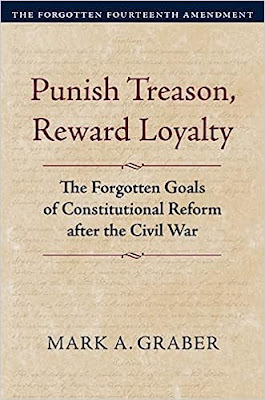
Mark A. Graber, Punish Treason, Reward Loyalty: The Forgotten Goals of Constitutional Reform after the Civil War (University of Kansas Press, 2023)
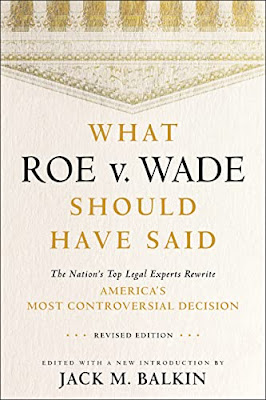
Jack M. Balkin, What Roe v. Wade Should Have Said: The Nation's Top Legal Experts Rewrite America's Most Controversial Decision - Revised Edition (NYU Press, 2023)

Andrew Koppelman, Burning Down the House: How Libertarian Philosophy Was Corrupted by Delusion and Greed (St. Martin’s Press, 2022)

Gerard N. Magliocca, Washington's Heir: The Life of Justice Bushrod Washington (Oxford University Press, 2022)
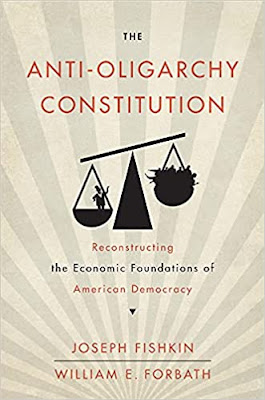
Joseph Fishkin and William E. Forbath, The Anti-Oligarchy Constitution: Reconstructing the Economic Foundations of American Democracy (Harvard University Press, 2022)
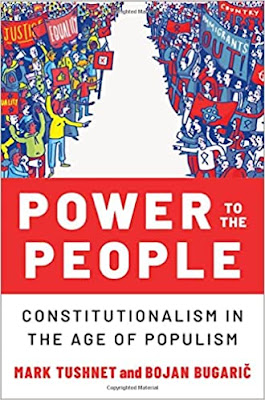
Mark Tushnet and Bojan Bugaric, Power to the People: Constitutionalism in the Age of Populism (Oxford University Press 2021).

Mark Philip Bradley and Mary L. Dudziak, eds., Making the Forever War: Marilyn B. Young on the Culture and Politics of American Militarism Culture and Politics in the Cold War and Beyond (University of Massachusetts Press, 2021).

Jack M. Balkin, What Obergefell v. Hodges Should Have Said: The Nation's Top Legal Experts Rewrite America's Same-Sex Marriage Decision (Yale University Press, 2020)

Frank Pasquale, New Laws of Robotics: Defending Human Expertise in the Age of AI (Belknap Press, 2020)

Jack M. Balkin, The Cycles of Constitutional Time (Oxford University Press, 2020)

Mark Tushnet, Taking Back the Constitution: Activist Judges and the Next Age of American Law (Yale University Press 2020).

Andrew Koppelman, Gay Rights vs. Religious Liberty?: The Unnecessary Conflict (Oxford University Press, 2020)

Ezekiel J Emanuel and Abbe R. Gluck, The Trillion Dollar Revolution: How the Affordable Care Act Transformed Politics, Law, and Health Care in America (PublicAffairs, 2020)

Linda C. McClain, Who's the Bigot?: Learning from Conflicts over Marriage and Civil Rights Law (Oxford University Press, 2020)
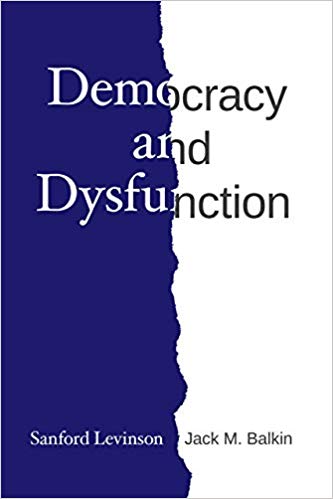
Sanford Levinson and Jack M. Balkin, Democracy and Dysfunction (University of Chicago Press, 2019)

Sanford Levinson, Written in Stone: Public Monuments in Changing Societies (Duke University Press 2018)

Mark A. Graber, Sanford Levinson, and Mark Tushnet, eds., Constitutional Democracy in Crisis? (Oxford University Press 2018)

Gerard Magliocca, The Heart of the Constitution: How the Bill of Rights became the Bill of Rights (Oxford University Press, 2018)

Cynthia Levinson and Sanford Levinson, Fault Lines in the Constitution: The Framers, Their Fights, and the Flaws that Affect Us Today (Peachtree Publishers, 2017)

Brian Z. Tamanaha, A Realistic Theory of Law (Cambridge University Press 2017)

Sanford Levinson, Nullification and Secession in Modern Constitutional Thought (University Press of Kansas 2016)

Sanford Levinson, An Argument Open to All: Reading The Federalist in the 21st Century (Yale University Press 2015)

Stephen M. Griffin, Broken Trust: Dysfunctional Government and Constitutional Reform (University Press of Kansas, 2015)

Frank Pasquale, The Black Box Society: The Secret Algorithms That Control Money and Information (Harvard University Press, 2015)

Bruce Ackerman, We the People, Volume 3: The Civil Rights Revolution (Harvard University Press, 2014)
Balkinization Symposium on We the People, Volume 3: The Civil Rights Revolution

Joseph Fishkin, Bottlenecks: A New Theory of Equal Opportunity (Oxford University Press, 2014)

Mark A. Graber, A New Introduction to American Constitutionalism (Oxford University Press, 2013)

John Mikhail, Elements of Moral Cognition: Rawls' Linguistic Analogy and the Cognitive Science of Moral and Legal Judgment (Cambridge University Press, 2013)

Gerard N. Magliocca, American Founding Son: John Bingham and the Invention of the Fourteenth Amendment (New York University Press, 2013)

Stephen M. Griffin, Long Wars and the Constitution (Harvard University Press, 2013)

Andrew Koppelman, The Tough Luck Constitution and the Assault on Health Care Reform (Oxford University Press, 2013)

James E. Fleming and Linda C. McClain, Ordered Liberty: Rights, Responsibilities, and Virtues (Harvard University Press, 2013)
Balkinization Symposium on Ordered Liberty: Rights, Responsibilities, and Virtues

Andrew Koppelman, Defending American Religious Neutrality (Harvard University Press, 2013)

Brian Z. Tamanaha, Failing Law Schools (University of Chicago Press, 2012)

Sanford Levinson, Framed: America's 51 Constitutions and the Crisis of Governance (Oxford University Press, 2012)

Linda C. McClain and Joanna L. Grossman, Gender Equality: Dimensions of Women's Equal Citizenship (Cambridge University Press, 2012)

Mary Dudziak, War Time: An Idea, Its History, Its Consequences (Oxford University Press, 2012)

Jack M. Balkin, Living Originalism (Harvard University Press, 2011)

Jason Mazzone, Copyfraud and Other Abuses of Intellectual Property Law (Stanford University Press, 2011)

Richard W. Garnett and Andrew Koppelman, First Amendment Stories, (Foundation Press 2011)

Jack M. Balkin, Constitutional Redemption: Political Faith in an Unjust World (Harvard University Press, 2011)

Gerard Magliocca, The Tragedy of William Jennings Bryan: Constitutional Law and the Politics of Backlash (Yale University Press, 2011)

Bernard Harcourt, The Illusion of Free Markets: Punishment and the Myth of Natural Order (Harvard University Press, 2010)

Bruce Ackerman, The Decline and Fall of the American Republic (Harvard University Press, 2010)
Balkinization Symposium on The Decline and Fall of the American Republic

Ian Ayres. Carrots and Sticks: Unlock the Power of Incentives to Get Things Done (Bantam Books, 2010)

Mark Tushnet, Why the Constitution Matters (Yale University Press 2010)

Ian Ayres and Barry Nalebuff: Lifecycle Investing: A New, Safe, and Audacious Way to Improve the Performance of Your Retirement Portfolio (Basic Books, 2010)
.jpg)
Jack M. Balkin, The Laws of Change: I Ching and the Philosophy of Life (2d Edition, Sybil Creek Press 2009)

Brian Z. Tamanaha, Beyond the Formalist-Realist Divide: The Role of Politics in Judging (Princeton University Press 2009)

Andrew Koppelman and Tobias Barrington Wolff, A Right to Discriminate?: How the Case of Boy Scouts of America v. James Dale Warped the Law of Free Association (Yale University Press 2009)

Jack M. Balkin and Reva B. Siegel, The Constitution in 2020 (Oxford University Press 2009)

Heather K. Gerken, The Democracy Index: Why Our Election System Is Failing and How to Fix It (Princeton University Press 2009)

Mary Dudziak, Exporting American Dreams: Thurgood Marshall's African Journey (Oxford University Press 2008)

David Luban, Legal Ethics and Human Dignity (Cambridge Univ. Press 2007)

Ian Ayres, Super Crunchers: Why Thinking-By-Numbers is the New Way to be Smart (Bantam 2007)

Jack M. Balkin, James Grimmelmann, Eddan Katz, Nimrod Kozlovski, Shlomit Wagman and Tal Zarsky, eds., Cybercrime: Digital Cops in a Networked Environment (N.Y.U. Press 2007)

Jack M. Balkin and Beth Simone Noveck, The State of Play: Law, Games, and Virtual Worlds (N.Y.U. Press 2006)

Andrew Koppelman, Same Sex, Different States: When Same-Sex Marriages Cross State Lines (Yale University Press 2006)

Brian Tamanaha, Law as a Means to an End (Cambridge University Press 2006)

Sanford Levinson, Our Undemocratic Constitution (Oxford University Press 2006)

Mark Graber, Dred Scott and the Problem of Constitutional Evil (Cambridge University Press 2006)

Jack M. Balkin, ed., What Roe v. Wade Should Have Said (N.Y.U. Press 2005)

Sanford Levinson, ed., Torture: A Collection (Oxford University Press 2004)
Balkin.com homepage
Bibliography
Conlaw.net
Cultural Software
Writings
Opeds
The Information Society Project
BrownvBoard.com
Useful Links
Syllabi and Exams
