Balkinization
an unanticipated consequence of
Jack M. Balkin
Balkinization Symposiums: A Continuing List
E-mail:
Jack Balkin:
jackbalkin at yahoo.com
Bruce Ackerman
bruce.ackerman at yale.edu
Ian Ayres
ian.ayres at yale.edu
Corey Brettschneider
corey_brettschneider at brown.edu
Mary Dudziak
mary.l.dudziak at emory.edu
Joey Fishkin
joey.fishkin at gmail.com
Heather Gerken heather.gerken at yale.edu
Abbe Gluck abbe.gluck at yale.edu
Mark Graber
mgraber at law.umaryland.edu
Stephen Griffin
sgriffin at tulane.edu
Jonathan Hafetz
jonathan.hafetz at shu.edu
Jeremy Kessler
jkessler at law.columbia.edu
Andrew Koppelman
akoppelman at law.northwestern.edu
Marty Lederman
msl46 at law.georgetown.edu
Sanford Levinson
slevinson at law.utexas.edu
David Luban
david.luban at gmail.com
Gerard Magliocca
gmaglioc at iupui.edu
Jason Mazzone
mazzonej at illinois.edu
Linda McClain
lmcclain at bu.edu
John Mikhail
mikhail at law.georgetown.edu
Frank Pasquale
pasquale.frank at gmail.com
Nate Persily
npersily at gmail.com
Michael Stokes Paulsen
michaelstokespaulsen at gmail.com
Deborah Pearlstein
dpearlst at yu.edu
Rick Pildes
rick.pildes at nyu.edu
David Pozen
dpozen at law.columbia.edu
Richard Primus
raprimus at umich.edu
K. Sabeel Rahmansabeel.rahman at brooklaw.edu
Alice Ristroph
alice.ristroph at shu.edu
Neil Siegel
siegel at law.duke.edu
David Super
david.super at law.georgetown.edu
Brian Tamanaha
btamanaha at wulaw.wustl.edu
Nelson Tebbe
nelson.tebbe at brooklaw.edu
Mark Tushnet
mtushnet at law.harvard.edu
Adam Winkler
winkler at ucla.edu
Compendium of posts on Hobby Lobby and related cases
The Anti-Torture Memos: Balkinization Posts on Torture, Interrogation, Detention, War Powers, and OLC
The Anti-Torture Memos (arranged by topic)
Recent Posts
Google Book Search Settlement
![[Powered by Blogger]](https://lh3.googleusercontent.com/blogger_img_proxy/AEn0k_t7ibrM-KPzH3-TQe1wkCr0Ta4YcGF0VNdPBCXmsJFiEuE2Q5dgo6eLBfYeBJOQJ25e-76p-Kia-tqM6H0c1NffeNfbS80JeDQ_9u6zO9lc=s0-d)
Just A Few Blogs
ACS Blog
Alas, a Blog
Althouse
Arts and Letters Daily
Atrios (Eschaton)
Bill of Health
Buzzflash.com
Buzz Machine
Cato at Liberty
Juan Cole (Informed Comment)
Concurring Opinions
The Constitution in 2020
Corrente
Crooked Timber
Daily Howler
Daily Kos
Dana Boyd
Brad DeLong
Digby (Hullabaloo)
Discriminations
Daniel Drezner
Kevin Drum (Mother Jones)
Electrolite
En Banc
Eunomia (Daniel Larison)
Fafblog
Michael Froomkin (Discourse.net)
GovLab (Beth Noveck)
Rick Hasen (Election Law)
History News Network
How Appealing
Ignatz (Sam Heldman)
The Importance of (Ernie Miller)
Infolaw
Instapundit
International Economic Law and Policy Blog
IntLawGrrls
Jacob Levy
Jesus' General
Jurisdynamics
The Kitchen Cabinet
Mark Kleiman
Law Blog Central
Larry Lessig
Lawyers, Guns and Money
Liberal Oasis
Brian Leiter's Law School Reports
The Leiter Reports
Marginal Revolution
Megan McArdle
Memeorandum
Metafilter
Mirror of Justice
The New Republic
Newseum
No More Mister Nice Blog
Brendan Nyhan
Opinio Juris
Orcinus
The Originalism Blog
Pandagon
Passport (Foreign Policy)
Overcoming Bias
Political Animal (Washington Monthly)
Political Theory Daily Review
Political Wire (Taegan Goddard)
The Poor Man
Virginia Postrel
Prawfsblawg
Public Reason
Jonathan Rauch
Raw Story
Redstate
ReligiousLeftLaw.com
Reporters Committee For Freedom of the Press
Reproductive Rights Blog
Rothman's Roadmap to the Right of Publicity
SCOTUS Blog
Seeing the Forest
Clay Shirky
The Shifted Librarian
The Situationist
Larry Solum (Legal Theory)
Andrew Sullivan
Talking Points Memo
Talk Left
Tapped
Tbogg
TechPresident
The Paper Chase (Jurist)
Tom Paine
Tom Tomorrow (This Modern World)
Eve Tushnet
Uggabugga
University of Chicago Law School Faculty Blog
Unqualified Offerings
The Volokh Conspiracy
War and Piece (Laura Rozen)
Wampum
Oliver Willis
Wonkette
Written Description
Matthew Yglesias
Yin
Your Choice of Feeds
1. XML
powered by

2. Atom Feed
3. RSS 2.0
Google Book Search Settlement
Neil Netanel
EDITED ON OCTOBER 29: Google has reached a settlement with the authors and publishers who sued it for copyright infringement over Google's Book Search Project. If the 141 page settlement agreement (not including appendices) is approved by the court, Google will be able to make far greater portions of copyrighted books available on line, including selling access to the full text, and will share some 63% of its revenues from the Book Search Project with the copyright holders. Google is also paying $125 million plus attorneys fees. At least $45 million of Google's payment will go to holders of copyrights in the books that Google has scanned without permission. Google's payment will also fund the establishment of a book registry and collective licensing organization to enable payments to copyright holders for future uses.
Under the proposed settlement agreement (which as of this writing I have just read quickly), copyright holders will have the right to opt-out of the Project for any given book, but the default rule will be that Google may display 20% of the text of copyrighted out of print books and may sell access to viewing the entire text online. Google will also continue to be able to display and make available for user download the full text off public domain books in response to user's search queries. However, Google will no longer display short snippets of copyrighted books that remain in print without first obtaining copyright holder permission. Portions larger than short snippents of such books will also be made available for display, online viewing, and download per agreement with each copyright holder. (The settlement agreement actually uses the term "commercially available" rather than "in print," suggesting that books that are made available solely online, such as through Amazon.com's Kindle Books service, will be deemed to be "in print" for purposes of the settlement.) Under the settlement agreement, all public libraries in the United States will be offered a free online portal to Google's digitized collection and Google will offer institutional subscriptions to colleges and universities.
So in many ways the proposed settlement is a win-win-win-win (for Google, the copyright holders, the libraries, and the public). But there are some causes for concern as well. Perhaps most importantly, the settlement leaves undecided the issue of whether Google's scanning of the entire books and display of snippets is a fair use. Many observers, including me, believed that the courts would ultimately hold that it is a fair use, and thus set important precedent establishing that such "transformative uses" of copyrighted works -- uses that serve the shared goals of copyright and the First Amendment -- do not infringe copyright. Google's settlement for a $125 million payment and abandonment of its fair use defense (as well as its agreement to stop displaying short snippets of copyrighted in print books without obtaining copyright holder permission), may well leave others in a far weaker position to enter the market for online book searches and digital archives and may make it more difficult to claim that such uses of books do not harm a potential licensing market, which claim carries considerable importance for successfully asserting fair use. The proposed settlement also provides that Google may not enjoy the benefit of developments in fair use doctrine that bear on its Book Search Project, so Google has no incentive to support other book archive and search services' fair use claims.
Of course, there are few companies that have the wherewithal to launch a book search service that would compete with Google's in any event. But the bottom line is that Google is left with a de facto monopoly over this "universal library" service and, as I have discussed in a recent article, potential competitors face a higher barrier to entry than if Google had fought and prevailed on fair use (or if Congress enacts a statutory license for such uses).
The proposed settlement also creates a collective licensing organization that will collect the proceeds from Google and distribute them to the rights holders. That may raise some competition issues of its own. ASCAP and BMI, the collective licensing organizations of public performance rights in musical works, operate under antitrust consent decrees.
Posted
9:02 PM
by Neil Netanel [link]
Thanks for reporting on this one. I'm of the opinion that it is only a matter of time before any digitized use is considered fair, if only on enforceability-cum-judicial-economy grounds. Sooner rather than later, if I had my way.
Am I correct that you would hav been happier with a vindication of the fair use defense?

Along similar lines, you might enjoy this post in the wake of the 2005 Grokster decision and Brian Martin's Againt Intellectual Property.
From "Disagreeing With My Betters":
"Where the public, and justice, and the Constitution, would best be served by a radical curtailment of copyright and patent durations and an equally radical strengthening of fair use doctrines, what we can expect, so long as there's so very much money to be made under the current outdated systems, is more of same."
Peace,
rl
It really depressed the hell out of me. Nobody had a better chance than Google of fighting and winning this thing--especially with Patry as their copyright counsel. Now, it's that much harder for anyone else. Sigh!
***
"So in many ways the proposed settlement is a win-win-win-win (for Google, the copyright holders, the libraries, and the public)."
I'm not so certain that this is a "win" for the public. It depends on the future actions of Google and how it "serves" the public and the public interest. As we've so clearly seen recently, the interests of a mega-corporation and the public rarely coincide, and if they should happen to, can diverge at any point. (To segue, I think it would be more accurate to refer to the interests of the executives and directors of mega-corporations as compared to the rest of the world.)
And it's those interests, Google's and the public's, that have likely diverged markedly due to this settlement. As you've noted, Google now has a "de facto monopoly over this "universal library" service." That monopoly represents an asset that Google fought for, paid dearly for, and hopes to make a large profit from. Any events or interests that would in any way potentially diminish those expected profits would be viewed by Google as adversarial. That includes the interests of the public. If a law were to be passed requiring licensing of copyright, Google could easily lose its advantage in the online book reading and viewing market and so would likely devote great effort and resources to fight any such future law.
In other words, this settlement makes Google a likely ally of the publishing industry, not the public or the public's interests, if that was ever the case.
As I've noted, IANAL, and certainly not a high tier professor of law, but I was thinking about the MP3.com case, where MP3.com had made available (copyrighted by others) music for online listening. MP3.com was sued by the publishers and lost their case, to the "tune" of hundreds of millions of dollars - with no resulting market advantages whatsoever. From my unlearned view the main differences between the MP3.com case and this Google case is that MP3.com made available full songs rather than partial "samples" - (a possible "fair use") as Google has done in most cases with books. The other difference though is that MP3.com required prospective online listeners to provide proof that they had the original CDs containing the songs they wanted access to. Google makes no such requirement of book viewers. MP3.com basically tried to provide a world wide listening ability to music members of the public had paid for. At the time it was suggested that the error of MP3.com's ways was in that it, MP3.com, did the copying to the net of the music (which MP3.com also bought) rather than the individuals that had bought the CDs to be listened to. Again, supposedly, if MP3.com had made online space available for members to upload their own digital copies of their music, then the service would have been acceptable.
Obviously that's not true anymore and probably wasn't at the time but was simply suggested as a possible basis to find against MP3.com. At this point it's become clear that the rights of purchasers of copyrighted material or licenses thereof have very very little rights other than those specifically granted by the publishers. That apparently includes copying digital material onto other devices for backup or any reason, including overcoming the obsolescence of devices used for listening or viewing. We've seen something of that with "services" that provide music for download that are ended by publishers or their vendors, effectively making the music purchased no more than bits in the digital bit bucket. Taken to its extreme, copy "protecting" of works extended into the future will likely prevent in some or many cases those works ever becoming part of the public domain - the supposed tradeoff basis for copyright protection in the U.S. constitution.
Google is now an ally with these publishers. They've got their agreement. Any agreements that might be made with others would be a threat to expected profits and any laws that might provide greater rights to the public would be even more of a threat.
The publishers just got a very powerful and wealthy ally and the public lost one, or at least any pretext that it ever had one.
P.S. Thanks for your insights and concerns.
First there is no downloading allowed, and no remote access except at big institutions. Public libraries get one terminal-- that's it-- and limited printing, for a FEE!
Even people who buy the books can't download them-- and can only print them in a limited fashion.
Google also says they will set up a registry for publc domain books, but they haven't yet, and are currently violating their agreements with the host libraries by not making all PD scans available.
All in all-- it's weak weak weak. No great research tool, as it has been hyped.
say this is a "win" for the public,
not without knowing the _cost_
that will be charged for "access",
as well as the nature of the "access".
over and above their abandonment
of a robust defense of "fair use",
google capitulated in every way to
desires of the publishing industry,
and left the public holding the bag.
google gives 'em an income-stream
from "property" they'd abandoned,
and also gives 'em an infrastructure
to impose a rental model on books
-- one that the publishers could
_not_ have created on their own,
as evidenced by the music biz --
that means the public has to pay for
books that we can't even download.
not only that, but the prices for this
"rental" of books are quite obscene!
have you studied their fee schedule?
the market for e-books hasn't even
begun to form, let alone shake out,
yet already the publishers want to
freeze into place the parameters?
and google is going to assist them?
and raise the entry barrier as well?
no, no, a thousand times no!
this is no "win" for the public, and
it's no "win" for the future either...
you really need to go back to your
desk and study all this some more.
these books represent our culture!
we will not let someone seize them
and hold them for ransom. no sir!
-bowerbird
I still think that the days of free downloads for public domain works will soon end. Google is not going to keep that up for long. It's all gonna be rental as you say.
Dissertation Writing | Essay Writing | Research Paper Writing
Term Paper Writing | Thesis Writing
logo design | design logo

information about this,because is very beautiful, thanks for sharing
Saç Ekimi
Free classified Ads Pakistan -
Advertising Agencies In Pakistan
?Charm Pink colored Collarow approximately planning made by hand? The following Ny city White collar will certainly charm the head with its glossy gallstones. Just the right dog leashes quantity jewelry.
baju pilot anak, baju seragam tk, baju profesi anak
شركة نقل اثاث من الرياض الي دبي
شركة نقل اثاث من الرياض الي الدمام
شركة نقل اثاث من الرياض الي الخبر
شركة نقل اثاث من الرياض الي المدنية المنورة
شركة نقل اثاث من الرياض الي مكة
شركة نقل اثاث من الرياض الي جدة
شركة نقل اثاث من الرياض الي الامارات
شركة نقل اثاث من الرياض الي الاحساء
شركة نقل اثاث من الرياض الي قطر
شركة نقل اثاث من الرياض الي الاردن
شركة نقل اثاث من الرياض الي الكويت
شركة نقل اثاث من الرياض الي البحرين
شركة نقل اثاث من الرياض الي ابو ظبي
شركة نقل اثاث من الرياض الي الدوحة
شركة نقل اثاث من الرياض الي عمان
Cara mengobati kanker dengan herbal, Cara mengobati kanker dengan tradisional, Cara mengobati kanker dengan alami, Cara mengobati kanker dengan cepat, Cara mengobati kanker stadium 3, Cara mengobati kanker stadium 4, Cara mengobati kanker stadium awal, Cara mengobati kanker stadium 2, Cara mengobati kanker stadium akhir, Cara mengobati kanker tanpa ke dokter, Gambar obat kanker yang ampuh, Gambar obat kanker yang ampuh, Obat kanker ampuh dengan singkong, Cara mengobati kanker stadium awal tanpa operasi, Obat kanker manjur dari tumbuhan, Cara mengobati kanker stadium 1 tanpa operasi, Obat kanker ampuh dengan daun sirsak, Cara mengobati kanker stadium 2 tanpa operasi, Obat kanker paling mujarab yang efektif, Cara mengobati kanker stadium 3 tanpa operasi, Cara mengobati kanker stadium 3, Cara mengobati kanker stadium 4 tanpa operasi, Obat kanker paling manjur 2016, Cara mengobati kanker stadium akhir tanpa operasi, Pengobatan kanker mujarab tanpa operasi, Cara pengobatan kanker yang manjur, Pengobatan kanker manjur dan aman, Cara pengobatan kanker yang mujarab, Cara pengobatan kanker tanpa operasi, Cara pengobatan kanker yang ampuh, Obat kanker mujarab tanpa operasi, Obat kanker manjur tanpa operasi, Obat De Nature
obat alami untuk mencegah kanker serviks
obat medis untuk kanker serviks
wwwobat kanker serviks
obat vaksin kanker serviks
obat untuk mengatasi kanker serviks
Tumbuhan untuk obat kanker serviks
Obat untuk menyembuhkan kanker serviks
obat untuk penderita kanker serviks
obat tradisional untuk kanker serviks
obat utk kanker serviks
obat untuk kanker serviks
obat tradisional utk kanker serviks
sirsak obat kanker serviks
obat sakit kanker serviks
hello world obat untuk kanker rahim stadium 3
obat herbal kanker rahim stadium 4
obat kanker rahim stadium 1 1
Obat kanker rahim stadium 2
Obat penyakit herpes kelamin pria
تنظيف منازل بالطائف
شركة مكافحة حشرات بالمدينة المنورة
A
شركة تسليك مجارى بالمدينة المنورة
شركة نقل اثاث بالمدينة المنورة
شركة كشف تسربات بالمدينة المنورة
شركة تسليك مجارى بجدة
شركة مكافحة حشرات بجدة
شركة نظافة عامة بجدة
شركة نقل اثاث بجدة
شركة كشف تسربات بجدة
شركة تسليك مجارى بالدمام
شركة تنظيف مسابح بالدمام
شركة تنظيف موكيت بالدمام
شركة مكافحة حشرات بالدمام
شركة كشف تسربات بالدمام
شركة نظافة عامة بالدمام
شركة نقل اثاث بالدمام
شركة تسليك مجارى بالرياض
تخزين اثاث بالرياض
كشف تسربات بالرياض
مكافحة حشرات بالرياض
نقل اثاث بالرياض
تنظيف بخميس مشيط
تنظيف بالطائف
رش مبيدات بجازان
تسليك مجارى بجازان
نظافة بالجوف
obat kanker serviks manjur facebook
obat herpes genital manjur
obat herpes genital manjur
obat herpes genital manjur
obat herpes genital manjur
obat herpes genital manjur
obat herpes genital manjur
obat herpes genital manjur
obat herpes genital manjur
obat herpes genital manjur
obat herpes genital manjur
obat herpes genital manjur
obat herpes genital manjur
obat herpes genital manjur
obat herpes genital manjur
obat herpes genital manjur
obat herpes genital manjur
obat herpes genital manjur
obat herpes genital manjur
obat herpes genital manju
Obat herpes genital manjur
Obat herpes genital manujur di youtube
Obat kanker dan herpes di twitter
obat herpes genital manjur facebook
شركة تسليك مجارى بابها
شركة تنظيف بابها
شركة تنظيف منازل بابها شركة رش مبيدات بابها
شركة مكافحة حشرات بابها
شركة نقل اثاث بابها
شركة تنظيف شقق بابها
شركة تنظيف خزانات بابها
شركة نظافة عامة بابها
شركة تسليك مجارى بخميس مشيط
شركة تنظيف خزانات بخميس مشيط
شركة تنظيف بخميس مشيط
شركة رش مبيدات بخميس مشيط
شركة كشف تسريبات بخميس مشيط
Buy Assignment help online
I am very happy to read this. This is the kind of manual that needs to be given and not the random misinformation that’s at the other blogs. Appreciate your sharing this best posting.
This content is written very well. Your use of formatting when making your points makes your observations very clear and easy to understand. Thank you This content is written very well. Your use of formatting when making your points makes your observations very clear and easy to understand. Thank you..
Need Homework Help | My Homework Help
http://awriter.org/rushessaycom/
وغير ذالك من كافه انواع التنظيف فى المملكه السعوديه باكملها اذا
كل ما عليكم هو زياره صفحتنا للتطلع على اقل الاسعار المتاحه
والتى تفى احتياجاتكم الخاصه
0544369605
شركة كشف تسربات المياه بابها
شركة تسليك مجارى بابها
شركة مكافحة حشرات بابها
شركة تنظيف بابها
شركة تنظيف فلل بابها
شركة تنظيف منازل بابها
اتصلوا بنا دائما تجدونا فى كل وقت وكل مكان
لاننا نتعامل بمنتهى الدقه والفعاله والاهميه الكبيره مع شركة
اركان المملكه لاداعى للقلق نحن معك دائمامع شركة اركان المملكه انت فى ايدى امينه لاننا بكل امان وحرفيه فى كافه المجالات الحديثه والعصريه
شركة كشف تسربات المياه بجازان
لدينا الخبره الكبيره فى مجال كشف التسربات اليوميه والتى من الافضل الاهتمام الكامل والشامل بها
شركة نقل اثاث بجازان
هكذا نحن معك دائما فى مجال التسليك والمكافحه فى كل وقت وكل مكان ندعمك بكل جهد
شركة تسليك مجارى بجازان
وايضا فى مدينه نجران لسنا الوحيدون ولكننا متميزون عن غيرنا فى كافه المجالات
شركة تسليك مجارى بنجران
ولدينا الخبره الطويله فى رش المبيدات والمكافحه بكل وقت وكل مكان
شركة رش مبيدات بجازان
ولدينا ايضا باع طويل فى المقاولات لاننا شركة متماسكه ولها الافضليه الكبيره فى هذا المجال
شركة مقاولات بجازان
نتعامل باقل الاسعار الممكنه والمتاحه لدى العميل والوصول الى الدقه الكامله
شركة تنظيف منازل بخميس مشيط
تتعامل مع افضل شركة بالمملكه ككل لانها تتعامل باقل الاسعار المتاحه فى مجال العمل
شركة كشف تسربات المياه بخميس مشيط
ونحن نوفر لك كل ما هو جديد وبخصم 30%فى مجال الحساب اذا معنا انت فى كل امان ممكن
اتصل بشركة اركان المملكه لانها الافضل دائما فى كل المجالات
شركة تسليك مجارى بخميس مشيط
هكذا شركة اركان المملكه تقدم الخدمه الممتازه التى بدونها لا تستطيعوا العمل الجاد
اننا نتعامل بالافضليه الكامله لاننا نتعامل بكل الاسعار البسيطه والممكنه
شركة مكافحه حشرات بخميس مشيط
نتعامل باقل الاسعار الممكنه والممتاحه فى هذا المجال وخاصه مدينه خميس مشيط
شركة نقل عفش بخميس مشيط
تحت شعار الراحه الكامله والاداء المتميز والخدمه طول اليوم هكذا الافضليه الكامله لشركه اركان المملكه اذا معنا انت الافضل نقدم لك كافه التسهيلات الممكنه فى هذا المجال
شركة كشف تسربات المياه بالرياض
معنا انت تتعامل بمجال تنظيف المنازل والفلل والقصور وغيرها اذا معنا انت الافضل
شركة نقل عفش بالرياض
اتصلوا نصلكم اينما كنتم بالمملكه فى كافه المجالات ومجال العفش الدائم والفعال هنا وهناك وبكافه اركان المملكه
شركة رش مبيدات بالرياض
مع شركه اركان المملكه الشركه الام التى لها تاريخ وباع كبير وفعال فى هذا المجال وغيره من المجالات المتنوعه والمتوفره فى هذا السياق
شركة اركان المملكه
اذا نحن معك دائما نقدم لك كافه العماله بكل اتقان وامانه وبكافه التسهيلات الممكنه
شركة تنظيف منازل بالرياض
معنا انت تتعامل باقل الاسعار اتصل نصلك اينما كنت وفى كل وقت وكل مان بالمملكه السعوديه
معنا انت فى كل امان اتصل نصلك اينما كنت
Books by Balkinization Bloggers

Mark Tushnet and Bojan Bugaric, Constitutionalism and Its Discontents (University of Chicago Press, 2026)

Gerard N. Magliocca, The Actual Art of Governing: Justice Robert H. Jackson's Concurring Opinion in the Steel Seizure Case (Oxford University Press, 2025)

Linda C. McClain and Aziza Ahmed, The Routledge Companion to Gender and COVID-19 (Routledge, 2024)

David Pozen, The Constitution of the War on Drugs (Oxford University Press, 2024)

Jack M. Balkin, Memory and Authority: The Uses of History in Constitutional Interpretation (Yale University Press, 2024)
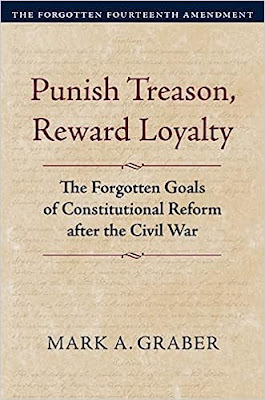
Mark A. Graber, Punish Treason, Reward Loyalty: The Forgotten Goals of Constitutional Reform after the Civil War (University of Kansas Press, 2023)
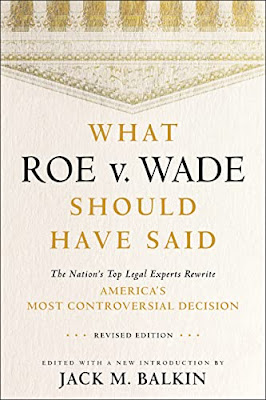
Jack M. Balkin, What Roe v. Wade Should Have Said: The Nation's Top Legal Experts Rewrite America's Most Controversial Decision - Revised Edition (NYU Press, 2023)

Andrew Koppelman, Burning Down the House: How Libertarian Philosophy Was Corrupted by Delusion and Greed (St. Martin’s Press, 2022)

Gerard N. Magliocca, Washington's Heir: The Life of Justice Bushrod Washington (Oxford University Press, 2022)
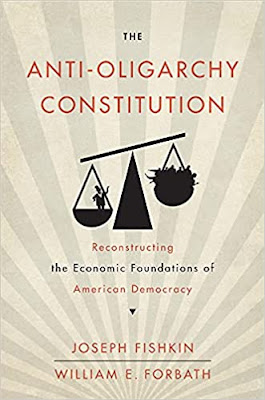
Joseph Fishkin and William E. Forbath, The Anti-Oligarchy Constitution: Reconstructing the Economic Foundations of American Democracy (Harvard University Press, 2022)
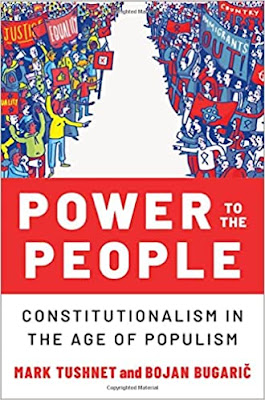
Mark Tushnet and Bojan Bugaric, Power to the People: Constitutionalism in the Age of Populism (Oxford University Press 2021).

Mark Philip Bradley and Mary L. Dudziak, eds., Making the Forever War: Marilyn B. Young on the Culture and Politics of American Militarism Culture and Politics in the Cold War and Beyond (University of Massachusetts Press, 2021).

Jack M. Balkin, What Obergefell v. Hodges Should Have Said: The Nation's Top Legal Experts Rewrite America's Same-Sex Marriage Decision (Yale University Press, 2020)

Frank Pasquale, New Laws of Robotics: Defending Human Expertise in the Age of AI (Belknap Press, 2020)

Jack M. Balkin, The Cycles of Constitutional Time (Oxford University Press, 2020)

Mark Tushnet, Taking Back the Constitution: Activist Judges and the Next Age of American Law (Yale University Press 2020).

Andrew Koppelman, Gay Rights vs. Religious Liberty?: The Unnecessary Conflict (Oxford University Press, 2020)

Ezekiel J Emanuel and Abbe R. Gluck, The Trillion Dollar Revolution: How the Affordable Care Act Transformed Politics, Law, and Health Care in America (PublicAffairs, 2020)

Linda C. McClain, Who's the Bigot?: Learning from Conflicts over Marriage and Civil Rights Law (Oxford University Press, 2020)
Sanford Levinson and Jack M. Balkin, Democracy and Dysfunction (University of Chicago Press, 2019)

Sanford Levinson, Written in Stone: Public Monuments in Changing Societies (Duke University Press 2018)

Mark A. Graber, Sanford Levinson, and Mark Tushnet, eds., Constitutional Democracy in Crisis? (Oxford University Press 2018)

Gerard Magliocca, The Heart of the Constitution: How the Bill of Rights became the Bill of Rights (Oxford University Press, 2018)

Cynthia Levinson and Sanford Levinson, Fault Lines in the Constitution: The Framers, Their Fights, and the Flaws that Affect Us Today (Peachtree Publishers, 2017)

Brian Z. Tamanaha, A Realistic Theory of Law (Cambridge University Press 2017)

Sanford Levinson, Nullification and Secession in Modern Constitutional Thought (University Press of Kansas 2016)

Sanford Levinson, An Argument Open to All: Reading The Federalist in the 21st Century (Yale University Press 2015)

Stephen M. Griffin, Broken Trust: Dysfunctional Government and Constitutional Reform (University Press of Kansas, 2015)

Frank Pasquale, The Black Box Society: The Secret Algorithms That Control Money and Information (Harvard University Press, 2015)

Bruce Ackerman, We the People, Volume 3: The Civil Rights Revolution (Harvard University Press, 2014)
Balkinization Symposium on We the People, Volume 3: The Civil Rights Revolution

Joseph Fishkin, Bottlenecks: A New Theory of Equal Opportunity (Oxford University Press, 2014)

Mark A. Graber, A New Introduction to American Constitutionalism (Oxford University Press, 2013)

John Mikhail, Elements of Moral Cognition: Rawls' Linguistic Analogy and the Cognitive Science of Moral and Legal Judgment (Cambridge University Press, 2013)

Gerard N. Magliocca, American Founding Son: John Bingham and the Invention of the Fourteenth Amendment (New York University Press, 2013)

Stephen M. Griffin, Long Wars and the Constitution (Harvard University Press, 2013)

Andrew Koppelman, The Tough Luck Constitution and the Assault on Health Care Reform (Oxford University Press, 2013)

James E. Fleming and Linda C. McClain, Ordered Liberty: Rights, Responsibilities, and Virtues (Harvard University Press, 2013)
Balkinization Symposium on Ordered Liberty: Rights, Responsibilities, and Virtues

Andrew Koppelman, Defending American Religious Neutrality (Harvard University Press, 2013)

Brian Z. Tamanaha, Failing Law Schools (University of Chicago Press, 2012)

Sanford Levinson, Framed: America's 51 Constitutions and the Crisis of Governance (Oxford University Press, 2012)

Linda C. McClain and Joanna L. Grossman, Gender Equality: Dimensions of Women's Equal Citizenship (Cambridge University Press, 2012)

Mary Dudziak, War Time: An Idea, Its History, Its Consequences (Oxford University Press, 2012)

Jack M. Balkin, Living Originalism (Harvard University Press, 2011)

Jason Mazzone, Copyfraud and Other Abuses of Intellectual Property Law (Stanford University Press, 2011)

Richard W. Garnett and Andrew Koppelman, First Amendment Stories, (Foundation Press 2011)

Jack M. Balkin, Constitutional Redemption: Political Faith in an Unjust World (Harvard University Press, 2011)

Gerard Magliocca, The Tragedy of William Jennings Bryan: Constitutional Law and the Politics of Backlash (Yale University Press, 2011)

Bernard Harcourt, The Illusion of Free Markets: Punishment and the Myth of Natural Order (Harvard University Press, 2010)

Bruce Ackerman, The Decline and Fall of the American Republic (Harvard University Press, 2010)
Balkinization Symposium on The Decline and Fall of the American Republic

Ian Ayres. Carrots and Sticks: Unlock the Power of Incentives to Get Things Done (Bantam Books, 2010)

Mark Tushnet, Why the Constitution Matters (Yale University Press 2010)

Ian Ayres and Barry Nalebuff: Lifecycle Investing: A New, Safe, and Audacious Way to Improve the Performance of Your Retirement Portfolio (Basic Books, 2010)
.jpg)
Jack M. Balkin, The Laws of Change: I Ching and the Philosophy of Life (2d Edition, Sybil Creek Press 2009)

Brian Z. Tamanaha, Beyond the Formalist-Realist Divide: The Role of Politics in Judging (Princeton University Press 2009)
Andrew Koppelman and Tobias Barrington Wolff, A Right to Discriminate?: How the Case of Boy Scouts of America v. James Dale Warped the Law of Free Association (Yale University Press 2009)

Jack M. Balkin and Reva B. Siegel, The Constitution in 2020 (Oxford University Press 2009)

Heather K. Gerken, The Democracy Index: Why Our Election System Is Failing and How to Fix It (Princeton University Press 2009)

Mary Dudziak, Exporting American Dreams: Thurgood Marshall's African Journey (Oxford University Press 2008)

David Luban, Legal Ethics and Human Dignity (Cambridge Univ. Press 2007)

Ian Ayres, Super Crunchers: Why Thinking-By-Numbers is the New Way to be Smart (Bantam 2007)

Jack M. Balkin, James Grimmelmann, Eddan Katz, Nimrod Kozlovski, Shlomit Wagman and Tal Zarsky, eds., Cybercrime: Digital Cops in a Networked Environment (N.Y.U. Press 2007)
Jack M. Balkin and Beth Simone Noveck, The State of Play: Law, Games, and Virtual Worlds (N.Y.U. Press 2006)

Andrew Koppelman, Same Sex, Different States: When Same-Sex Marriages Cross State Lines (Yale University Press 2006)

Brian Tamanaha, Law as a Means to an End (Cambridge University Press 2006)

Sanford Levinson, Our Undemocratic Constitution (Oxford University Press 2006)

Mark Graber, Dred Scott and the Problem of Constitutional Evil (Cambridge University Press 2006)

Jack M. Balkin, ed., What Roe v. Wade Should Have Said (N.Y.U. Press 2005)

Sanford Levinson, ed., Torture: A Collection (Oxford University Press 2004)
Balkin.com homepage
Bibliography
Conlaw.net
Cultural Software
Writings
Opeds
The Information Society Project
BrownvBoard.com
Useful Links
Syllabi and Exams
