Balkinization
an unanticipated consequence of
Jack M. Balkin
Balkinization Symposiums: A Continuing List
E-mail:
Jack Balkin:
jackbalkin at yahoo.com
Bruce Ackerman
bruce.ackerman at yale.edu
Ian Ayres
ian.ayres at yale.edu
Corey Brettschneider
corey_brettschneider at brown.edu
Mary Dudziak
mary.l.dudziak at emory.edu
Joey Fishkin
joey.fishkin at gmail.com
Heather Gerken heather.gerken at yale.edu
Abbe Gluck abbe.gluck at yale.edu
Mark Graber
mgraber at law.umaryland.edu
Stephen Griffin
sgriffin at tulane.edu
Jonathan Hafetz
jonathan.hafetz at shu.edu
Jeremy Kessler
jkessler at law.columbia.edu
Andrew Koppelman
akoppelman at law.northwestern.edu
Marty Lederman
msl46 at law.georgetown.edu
Sanford Levinson
slevinson at law.utexas.edu
David Luban
david.luban at gmail.com
Gerard Magliocca
gmaglioc at iupui.edu
Jason Mazzone
mazzonej at illinois.edu
Linda McClain
lmcclain at bu.edu
John Mikhail
mikhail at law.georgetown.edu
Frank Pasquale
pasquale.frank at gmail.com
Nate Persily
npersily at gmail.com
Michael Stokes Paulsen
michaelstokespaulsen at gmail.com
Deborah Pearlstein
dpearlst at yu.edu
Rick Pildes
rick.pildes at nyu.edu
David Pozen
dpozen at law.columbia.edu
Richard Primus
raprimus at umich.edu
K. Sabeel Rahmansabeel.rahman at brooklaw.edu
Alice Ristroph
alice.ristroph at shu.edu
Neil Siegel
siegel at law.duke.edu
David Super
david.super at law.georgetown.edu
Brian Tamanaha
btamanaha at wulaw.wustl.edu
Nelson Tebbe
nelson.tebbe at brooklaw.edu
Mark Tushnet
mtushnet at law.harvard.edu
Adam Winkler
winkler at ucla.edu
Compendium of posts on Hobby Lobby and related cases
The Anti-Torture Memos: Balkinization Posts on Torture, Interrogation, Detention, War Powers, and OLC
The Anti-Torture Memos (arranged by topic)
Recent Posts
The Fault is in Our Constitution
![[Powered by Blogger]](https://lh3.googleusercontent.com/blogger_img_proxy/AEn0k_vzqMJqtuAV_8TswcJg5R6A9n3OeoyvTt3mr_HUhUQV2auD1BI-4LZzk3GsGZNyU9w5LSJlFIdTTp140v67wc9PmvmjJBtpn7e2saBp3CiN=s0-d)
Just A Few Blogs
ACS Blog
Alas, a Blog
Althouse
Arts and Letters Daily
Atrios (Eschaton)
Bill of Health
Buzzflash.com
Buzz Machine
Cato at Liberty
Juan Cole (Informed Comment)
Concurring Opinions
The Constitution in 2020
Corrente
Crooked Timber
Daily Howler
Daily Kos
Dana Boyd
Brad DeLong
Digby (Hullabaloo)
Discriminations
Daniel Drezner
Kevin Drum (Mother Jones)
Electrolite
En Banc
Eunomia (Daniel Larison)
Fafblog
Michael Froomkin (Discourse.net)
GovLab (Beth Noveck)
Rick Hasen (Election Law)
History News Network
How Appealing
Ignatz (Sam Heldman)
The Importance of (Ernie Miller)
Infolaw
Instapundit
International Economic Law and Policy Blog
IntLawGrrls
Jacob Levy
Jesus' General
Jurisdynamics
The Kitchen Cabinet
Mark Kleiman
Law Blog Central
Larry Lessig
Lawyers, Guns and Money
Liberal Oasis
Brian Leiter's Law School Reports
The Leiter Reports
Marginal Revolution
Megan McArdle
Memeorandum
Metafilter
Mirror of Justice
The New Republic
Newseum
No More Mister Nice Blog
Brendan Nyhan
Opinio Juris
Orcinus
The Originalism Blog
Pandagon
Passport (Foreign Policy)
Overcoming Bias
Political Animal (Washington Monthly)
Political Theory Daily Review
Political Wire (Taegan Goddard)
The Poor Man
Virginia Postrel
Prawfsblawg
Public Reason
Jonathan Rauch
Raw Story
Redstate
ReligiousLeftLaw.com
Reporters Committee For Freedom of the Press
Reproductive Rights Blog
Rothman's Roadmap to the Right of Publicity
SCOTUS Blog
Seeing the Forest
Clay Shirky
The Shifted Librarian
The Situationist
Larry Solum (Legal Theory)
Andrew Sullivan
Talking Points Memo
Talk Left
Tapped
Tbogg
TechPresident
The Paper Chase (Jurist)
Tom Paine
Tom Tomorrow (This Modern World)
Eve Tushnet
Uggabugga
University of Chicago Law School Faculty Blog
Unqualified Offerings
The Volokh Conspiracy
War and Piece (Laura Rozen)
Wampum
Oliver Willis
Wonkette
Written Description
Matthew Yglesias
Yin
Your Choice of Feeds
1. XML
powered by

2. Atom Feed
3. RSS 2.0
The Fault is in Our Constitution
Sandy Levinson
As I've been pondering over this weekend about the (in)appropriateness (as distinguished simply from the impolitic aspects) of using the fuhrerhprinzip analogy to understand our own present political situation, it occurred to me that I'm in the embarrassing position of not understanding my own book well enough. That is, as everyone knows by now, I've recently published Our Undemocratic Constitution, which includes a vigorous critique of various aspects of Article II (as well as the Article I assignment of a presidential veto power, the subject of an article in this week's New Republic). But it seems to me that the Constitution, so bad in so many respects, also helps to explain why we end up with a distinctively American version of presidentialism that requires no recourse to the baleful influence of Leo Strauss and his connection with Weimar.
The argument focuses on two aspects of the Constitution, both of which made perfectly good sense at the time, both of which are dysfunctional inn 2006. The first is that the president, of course, is head of state, the recipient of all sorts of emotions attached to the flag and other symbols of the nation. Hail to the Chief is not something we would play for what Ross Perot would usefully call our most important employee. It is something more suitable for a monarch, and that is what the Constitution in effect creates. On top of this is the consequence of the rigidly fixed term of office. As the saying goes, whoever is president is, subject to death or impeachment, neither of them likely or desirable, "the only president we have" until the next inauguration day. Basic cognitive dissonance theory would predict that anyone stuck in such a relationship would overlook deficiencies and try desperately to reassure oneself that things will turn out all right. But, of course, it isn't quite so simple, because one has to factor in something that is NOT part of the original Constitution and, indeed, was by-and-large feared by its designers, the reality of a party system. Democrats have no incentive to glorify George Bush, nor did Republicans have any similar incentives with regard to Bill Clinton. But, of course, the political party of whom the president is the (unreplaceable) leader has every incentive, psychological as well as political, to be loyal once the alternative is viewed as the prospect of losing power to the dreaded opposition. (My favorite version of Lord Acton's dictum is the variation coined by John P. Roche: "Power corrupts, and the prospect of losing power corrupts absolutely.")
The fuhrerprinzip, at least with regard to Hitler, was presumably based on charismatic authority. Moreover, it was designed in effect to overthrow the existing political order, given that the Chancellor was not head of state. That honor remained, as I understand Weimar, with the President, who was supposed to be in some sense "above politics." (Obviously, I stand ready to be corrected on my understanding of German politics.) I presume that no one would ascribe Republican loyalty to George W. Bush as resting on his charisma. Nor is it part of an attempt to overthrow the basics of the American political order inasmuch as presidentialism of one kind of another has been a constant of American politics from quite near the beginning. Before, though, there might have been certain pressures against presidentialism going "too far," not least becasue political parties were more "loose-tent" coalitions (especially among the Democrats) and less united. For better and worse, we now have much more ideologically united parties, at least as measured by the willingness of any particular member of Congress to stray too far from the party leadership. So what explains the dismaying abdication of independent judgment by House and Senate Republicans is all too easily predicted by the hard-wired features of our own constitutional structure. And, of course, one can explain the Democrats who voted for the bill largely on David Mayhew's argument that the desire to be re-elected takes precedence over almost any other value. From this perspective, probably the most disgusting vote was that of Frank Lauchtenberg, who is not up for re-election and who is sufficiently old that he should be thinking of "legacy." But perhaps he saw giving away his vote (and his conscience?) as a way of helping his highly vulnerable colleage, Sen. Menendez, who had more Mayhewian reasons for crossing the aisle.
If, as I have been arguing repeatedly, our system allowed Republicans to dump their party leader/president, I am confident that George W. Bush would join Margaret Thatcher (and, shortly, Tony Blair) on the dustbin of history even as another Republican (John McCain?) would take the helm. But that is not our system, with all sorts of psychological and political consequences. (I have, incidentally, no good answer for the "head of state" problem. I don't support reverting to a monarchy, nor can I easily imagine electing two "presidents," one as head of government, the other as ceremonial head of state. But surely we could stop playing "Hail to the Chief" and otherwise treating the president as quasi-royalty.)
Posted
12:31 PM
by Sandy Levinson [link]
You appear to be implying we should adopt a vote of confidence system like they have in Britain to short circuit a president's term. I would disagree.
While this may make some sense in other countries with longer terms between elections and no term limits, our constitutional system significantly limits the presidency with a relatively short 4 year term between elections and a maximum of two terms.
As for being treated like quasi royalty, the head of state represents the country and thus receives the respects we expect for our country. However, unless the President is detached from reality, he or she can expect far more brick brats than respect from fellow politicians, the press and the voters in our rough and tumble democracy.
In our system of government, Congress by far wields the most power. The only power the President has over Congress is the power of party loyalty and persuasion.
There are so many checks and balances in our system, the President simply does not have the power to become a dictator unless he can somehow convince a military dedicated to defend the Constitution to overthrow our constitutional government. Then you have to deal with the ultimate check of about 100 million armed citizens like myself who might take violent exception to a military coup.
Thus, I simply cannot take comparisons to Nazi Germany all that seriously.

The Hitler analogy, however, can still be strong in another respect. As Arendt has mentioned, one common aspect of totalitarian regimes is the duplication of authority. For Nazi Germany you had the SS, which had its own army, civil adminstration, economic base, etc. In many places in government you had SS officials in positions of government who were subordinate to others in the civil chain of command while still being able to run the show.
Now? Look at the changes in DOJ hiring, where the political appointees have authority over career attorneys. Look at the mandated changes in K street lobbyists, where lobbyists are only listened to if Republicans are given jobs there. It's not much, yet, but the intermingling of public and party positions is a very dangerous road to tread.
And when he is? (I'm thinking "Mission Accomplished", just for starters.)
Bart: However, unless the President is detached from reality...
And when he is? (I'm thinking "Mission Accomplished", just for starters.)
The Mission Accomplished banner was put up by the Carrier group because they had finished their deployment in Iraq.
When I returned from the Persian Gulf War, the battalion had a similar banner over our awards ceremony.
"KING: We're back with Bob Woodward. The book "State of Denial." Tell us about Rumsfeld talking about Mission Accomplished banner on the ship.
WOODWARD: This is May 1st, 2003, the very famous speech the president gave on the aircraft carrier, the Kennedy. You know there was that sign, Mission Accomplished. And I asked Rumsfeld about it and said he was -- Rumsfeld was in Baghdad and they sent him an advanced copy of the speech. And he said, I almost died because mission accomplished was in the speech. And he said, I got it out of the speech but I didn't get the sign down. Now they've always put out the story that it was the Navy that put up the sign. And there's the secretary of defense saying it was in the speech."
http://transcripts.cnn.com/TRANSCRIPTS/0610/02/lkl.01.html
Bob Woodward has a number of disputed "quotes" in his latest book.
I lost my faith in Woodward when he made up a death bed conversation with ex CIA chief Bill Casey. Casey was an old school spook who strictly enforced operation security inside the CIA. The leakers in the present CIA would have been dealt with very harshly under his regime. Casey never would have told Woodward of all people anything classified.
Bart, thank you for your service, truly. "Dessert Storm" was blood for oil; but it was our duty to protect that oil, and our allies, and also the stability of the world economy, which is an oil economy. My criticism of that war was for the lie that it wasn't about oil. That criticism and that lie notwithstanding, I have nothing but gratitude and respect for the service people who do the job they are sworn to do.
It is our duty outside the service, however, to ensure that our service people never die, or kill, in vain or in service of evil. We fail that duty with our unprovoked invasions and occupations of Afghanistan and Iraq, objectives known to be beloved of PNAC long before the attacks of September 11, 2001. As a warrior you know that the nation was never at risk in the wake of those attacks. Comparisons to Pearl Harbor are ill founded as there was no nation or invading force poised to follow through. Spectacular, deadly, unprecedented in scope and execution to be sure, but a legitimate threat to the nation? Never close. It is understandable that many service people, like many in law enforcement, become primarily focused on who they are fighting rather than on what they fight for, but I can't help expecting more of someone as articulate as you.
The greatest threat to the nation continues to be this administration's policy of playing into the martyr's hands, acting out plans authored by Haliburton and Bechtel which happen to further both bin Laden and Cheney's desires for blood and money. Ironically, while "the base" was never and still isn't anything like a legitimate body with which a nation can war, acts of your partisans are creating an environment where enough otherwise peaceful or disinterested people may be frightened into joining such a force; as long as terms such as "islamofascist" are bandied about we approach a tacit identification of Islam as the enemy with all that entails.
That disastrous tragedy must be side-stepped; most easily this is done by repudiating the war metaphor as applied to the people responsible for nine-one-one. The "war" on "terror" is not a war in any legally legitimate sense, and the rampant erosion of civil liberties are not warranted thereby. There's nothing wrong with the Constitution, to voice disagreement with Professor Levinson's theme; we simply need to enforce it.
I confess that I just don't believe that divided government doesn't matter re legislative outcomes, though maybe that was more likely to be the case when he was doing his initial studies.
http://worldwow.org/
http://webyrsgoldfs.com/
http://newstyless.com/
Cara mengobati kanker dengan herbal, Cara mengobati kanker dengan tradisional, Cara mengobati kanker dengan alami, Cara mengobati kanker dengan cepat, Cara mengobati kanker stadium 3, Cara mengobati kanker stadium 4, Cara mengobati kanker stadium awal, Cara mengobati kanker stadium 2, Cara mengobati kanker stadium akhir, Cara mengobati kanker tanpa ke dokter, Gambar obat kanker yang ampuh, Gambar obat kanker yang ampuh, Obat kanker ampuh dengan singkong, Cara mengobati kanker stadium awal tanpa operasi, Obat kanker manjur dari tumbuhan, Cara mengobati kanker stadium 1 tanpa operasi, Obat kanker ampuh dengan daun sirsak, Cara mengobati kanker stadium 2 tanpa operasi, Obat kanker paling mujarab yang efektif, Cara mengobati kanker stadium 3 tanpa operasi, Cara mengobati kanker stadium 3, Cara mengobati kanker stadium 4 tanpa operasi, Obat kanker paling manjur 2016, Cara mengobati kanker stadium akhir tanpa operasi, Pengobatan kanker mujarab tanpa operasi, Cara pengobatan kanker yang manjur, Pengobatan kanker manjur dan aman, Cara pengobatan kanker yang mujarab, Cara pengobatan kanker tanpa operasi, Cara pengobatan kanker yang ampuh, Obat kanker mujarab tanpa operasi, Obat kanker manjur tanpa operasi, Obat De Nature

obat alami untuk mencegah kanker serviks
obat medis untuk kanker serviks
wwwobat kanker serviks
obat vaksin kanker serviks
obat untuk mengatasi kanker serviks
Tumbuhan untuk obat kanker serviks
Obat untuk menyembuhkan kanker serviks
obat untuk penderita kanker serviks
obat tradisional untuk kanker serviks
obat utk kanker serviks
obat untuk kanker serviks
obat tradisional utk kanker serviks
sirsak obat kanker serviks
obat sakit kanker serviks
hello world obat untuk kanker rahim stadium 3
obat herbal kanker rahim stadium 4
obat kanker rahim stadium 1 1
Obat kanker rahim stadium 2
Obat penyakit herpes kelamin pria
obat herpes kulit kumpulan tips
obat herpes apa
obat herpes biar cepat kering
obat buat herpes genital
obat herpes genital wanita
obat herpes kulit alami
obat herpes mujarab
obat herpes pada mulut
obat herpes resep dokter
obat herpes tumbuhan
obat tradisional herpes genital
obat herpes tradisional yang ampuh
obat herpes terbaik
obat herpes tangan
obat herpes tercepat
obat herpes tipe 2
obat herpes tradisional untuk bayi
obat herpes tenggorokan
obat herpes terbaru
obat herpes tablet
obat herpes tomcat
obat herpes tumbuhan
Kapur sirih untuk obat kutil kelamin
Obat kutil kelamin medis
Obat menghilangkan kutil kelamin
Obat menyembuhkan kutil kelamin
Obat tradisional menyembuhkan kutil kelamin
Obat minum untuk kutil kelamin
Obat medis untuk kutil kelamin
Merek obat kutil kelamin
Obat kutil kelamin de nature
Nama obat kutil kelamin
Obat tradisional buat sipilis
Obat herbal buat sipilis
Obat dokter buat sipilis
obat herpes tradisional yang ampuh
obat herpes terbaik
obat herpes tangan
obat herpes tercepat
obat herpes tipe 2
obat herpes tradisional untuk bayi
obat herpes tenggorokan
obat herpes terbaru
obat herpes tablet
obat herpes tomcat
obat herpes tumbuhan
Kapur sirih untuk obat kutil kelamin
Obat kutil kelamin medis
Obat menghilangkan kutil kelamin
Obat menyembuhkan kutil kelamin
Obat tradisional menyembuhkan kutil kelamin
Obat minum untuk kutil kelamin
Obat medis untuk kutil kelamin
Merek obat kutil kelamin
Obat kutil kelamin de nature
Nama obat kutil kelamin
Obat tradisional buat sipilis
Obat herbal buat sipilis
Obat dokter buat sipilis
Obat sipilis dengan bayam duri
Obat sipilis yang bagus
Obat china sipilis
Cara obat sipilis di apotik
Cara obat sipilis pada pria
Cari obat sipilis
Contoh obat sipilis
http://agusus1.blogspot.com/
http://agusyafii.blogspot.com/
http://amateursexxxx.blogspot.co.id/
Obat sipilis Obat kutil kelamin obat wasirhttp://oplosanobatkutilkelamin.blogspot.com/
http://www.smaboy.com/u/obatkutil
http://tinyblogs.net/u/obatkutil/
http://tinyblogs.net/u/obatkutil/
http://obatkutil.blogszino.com/
http://obatkutil.over-blog.com/
http://obatkutilkelamin-tradisional.jimdo.com/
http://www.lautanindonesia.com/blog/obatkutilkelamindanjenggerayam/
http://obatkutilmanjur.weebly.com/
http://obatkutilampuh.livejournal.com/
http://obatkutilkelamintradisional123.blogdetik.com/
http://obatkutil12345.edublogs.org/
http://pengobatankutil.blog.planetbiru.com/
http://obatkutil.freeblog.biz/
http://batkutil.blog.com/
Obat kutil di sekitar kelamin
Obat farmasi untuk kutil kelamin
Obat generik untuk kutil kelamin
Obat kutil kelamin imiquimod
Jual obat kutil kelamin
Jual obat kutil kelamin murah
Obat kutil kelamin yg di jual di apotik
Jual obat penghilang kutil kelamin
Obat kimia kutil kelamin
Kapur sirih untuk obat kutil kelamin
Obat kutil kelamin medis
Obat menghilangkan kutil kelamin
Obat kutil kelamin tradisional
Obat kutil kelamin
Obat kutil kelamin wanita
Obat kutil kelamin di apotik
Obat kutil kelamin untuk ibu hamil
Obat kutil kelamin untuk wanita
Obat kutil kelamin mujarab
Obat kutil kelamin di anus
Obat kutil kelamin/jengger ayam
Obat kutil kelamin paling murah
obat gonore pada ibu hamil
obat gonore tradisional
obat gonore tenggorokan
obat gonore paling efektif
obat gonore pada wanita
obat gonore atau kencing nanah
obat alternatif gonore
obat gonore yang ampuh
obat gonore yg ampuh
obat gonore yang paling ampuh
obat gonore yang dijual di apotik
obat buat gonore
obat bakteri gonore
obat paten penyakit gonore
obat herbal untuk penyakit gonore
obat antibiotik untuk penyakit gonore
obat tradisional untuk penyakit gonore
resep obat gonore
ramuan obat gonore
obat sakit gonore
obat suntik gonore
obat untuk sakit gonore
supertetra obat gonore
obat alami sembuhkan gonore
obat gonore tradisional
obat gonore terbaik
obat gonore terbaru
obat gonore tangerang
Obat herpes tradisional yang ampuh
Obat herpes zoster
Obat herpes kulit
Obat herpes simplex
Obat herpes genital
Obat herpes di apotik
Obat herpes kulit di apotik
Obat herpes untuk bayi
Obat herpes untuk ibu hamil
Obat herpes ampuh
Obat herpes untuk anak
Obat herpes mulut
Pengobatan herbal kutil kelamin wanita
pengobatan ampuh kutil kelamin pada wanita
obat kutil kelamin yang ada di apotik
obat kutil kelamin yg dijual di apotik
obat kutil di kemaluan wanita
pengobatan kutil kelamin pada pria
pengobatan penyakit kutil kelamin pada pria
obat penyakit kutil pada kelamin pria
Pengobatan kutil kelamin aman dan tanpa operasi
obat kutil pada alat kelamin pria
pengobatan kutil kelamin
pengobatan kutil kelamin pada pria dan wanita
pengobatan kutil kelamin pria
pengobatan kutil kelamin wanita
pengobatan kutil kelamin dengan cuka apel
pengobatan kutil kelamin di anus
Cara mengobati kutil di kelamin wanita hamil
pengobatan kutil kelamin di bandung
Cara mengobati jengger ayam dan kutil kelamin
obat kutil kelamin
Obat wasir herbal tanpa operasi
Obat wasir herbal stadium 4 tanpa operasi
Cara mengobati wasir dan ambeien
obat herbal kanker serviks ampuh
Obat herbal kanker serviks paten
obat herbal kanker serviks manjur
obat herbal kanker serviks mujarab
obat herbal kanker serviks terpercaya
obat herbal kanker servik
obat herbal kanker servik ampuh
obat herbal kanker servik manjur
Obat herbal kanker servik mujarab
obat herbal kanker servik paten
obat herbal kanker servik terpercaya
obat herbal herpes genital klik disini
Obat herbal herpes genital baca sekarang
obat herbal herpes genital manjur
obat herbal herpes genital ampuh
obat herbal herpes genital 2016
obat herpes genital herbal 2015
obat herpes genital herbal 2016
Obat herpes genital herbal bulan ini
obat herpes genital herbal klik sekarang
obat herpes genital herbal 1945
obat herpes genital herbal manjur
obat herbal herpes genital berkhasiat
obat kanker serviks menurut dokter
Obat herbal kanker serviks pada umumnya
Obat tradisional kanker serviks paten
obat tradisional kanker serviks manjur
obat tradisional kanker serviks mujarab
obat tradisional kanker serviks ampuh
obat tradisional kanker serviks herbal ampuh
obat tradisional kanker serviks herbal mujarab
obat tradisional kanker serviks herbal paten
Obat tradisional kanker serviks herbal manjur
obat tradisional kanker serviks herbal
obat tradisional kanker serviks herbal spesial
obat kanker serviks manjur herbal khusus
obat kanker serviks manjur herbal khusus wanita
obat tradisional kanker serviks herbal ampuh
Obat kanker serviks manjur herbal khusus umum
obat tradisional kanker serviks herbal
obat herpes herbal alamiah
obat herbal tradisonal herpes genital ampuh
Obat herbal alamiah herpes genital
Obat herbal herpes genital manjuur sembuh 2 hari
Obat herbal herpes genital manjuur sembuh 2 hari
Obat herbal herpes genital manjuur sembuh 2 hari
Obat herbal herpes genital manjuur sembuh 2 hari
Obat herbal herpes genital manjuur sembuh 2 hari
Obat herbal herpes genital manjuur sembuh 2 hari
Obat herbal herpes genital manjuur sembuh 2 hari
Obat herbal herpes genital manjuur sembuh 2 hari
Obat herbal herpes genital manjuur sembuh 2 hari
Obat herbal herpes genital manjuur sembuh 2 hari
Obat herbal herpes genital manjuur sembuh 2 hari
Obat herbal herpes genital manjuur sembuh 2 hari
Obat herbal herpes genital manjuur sembuh 2 hari
Obat herbal herpes genital manjuur sembuh 2 hari
Obat herbal herpes genital manjuur sembuh 2 hari
Obat herbal herpes genital manjuur sembuh 2 hari
obat kanker serviks manjur
obat kanker serviks manjur
obat kanker serviks manjur
obat kanker serviks manjur
obat kanker serviks manjur facebook
obat herpes genital manjur
obat herpes genital manjur
obat herpes genital manjur
obat herpes genital manjur
obat herpes genital manjur
obat herpes genital manjur
obat herpes genital manjur
obat herpes genital manjur
obat herpes genital manjur
obat herpes genital manjur
obat herpes genital manjur
obat herpes genital manjur
obat herpes genital manjur
obat herpes genital manjur
obat herpes genital manjur
obat herpes genital manjur
obat herpes genital manjur
obat herpes genital manjur
obat herpes genital manju
Obat herpes genital manjur
Obat herpes genital manujur di youtube
Obat kanker dan herpes di twitter
obat herpes genital manjur facebook
obat kanker serviks tradisional jawa sumatera
Obat kanker serviks tradisional sumatera
Obat kanker serviks tradisional kalimantan
obat kanker serviks tradisional herbal jawa
obat kanker serviks tradisional herbal jawa sumatera
obat kanker serviks tradisional herbal sumatera
obat kanker serviks tradisional herbal suku pedalaman
obat kanker serviks tradisional herbal suku pedalaman sumatra
Obat kanker serviks tradisional herbal suku jawa
obat kanker serviks tradisional herbal s
obat kanker serviks tradisional herbal suku minang
obat kanker serviks tradisional herbal suku sunda
Obat kanker serviks tradisional herbal suku irian
obat kanker serviks tradisional herbal suku dayak
obat kanker serviks tradisional herbal suku kubu
obat tradisional kanker serviks suku
obat kanker serviks tradisional herbal suku bugis
obat herbal herpes genital dompo
obat herbal herpes genital dompo simplex
obat gonore tenggorokan
obat gonore paling efektif
obat gonore pada wanita
obat gonore atau kencing nanah
obat gonore apa
obat alternatif gonore
obat gonore yang ampuh
obat gonore yg ampuh
obat gonore yang paling ampuh
obat gonore yang dijual di apotik
obat buat gonore
obat bakteri gonore
obat gonore dijual bebas
obat pembunuh bakteri gonore
buah obat gonore
obat gonore dan klamidia
obat gonore dokter
nama obat gonore di apotek
jenis obat gonore di apotik
harga obat gonore di apotik
merk obat gonore di apotik
obat sifilis dan gonore
fungsi obat gonore
obat gejala gonore
obat gonore untuk ibu hamil
obat gonore untuk wanita hamil
harga obat gonore
obat injeksi gonore
obat kutil kelamin yang ada di apotik
obat kutil kelamin yg dijual di apotik
obat kutil di kemaluan wanita
pengobatan kutil kelamin pada pria
pengobatan penyakit kutil kelamin pada pria
obat penyakit kutil pada kelamin pria
Pengobatan kutil kelamin aman dan tanpa operasi
obat kutil pada alat kelamin pria
pengobatan kutil kelamin
pengobatan kutil kelamin pada pria dan wanita
pengobatan kutil kelamin pria
pengobatan kutil kelamin wanita
pengobatan kutil kelamin dengan cuka apel
pengobatan kutil kelamin di anus
Cara mengobati kutil di kelamin wanita hamil
pengobatan kutil kelamin di bandung
obat kutil kelamin
obat kutil kelamin di apotik
obat kutil kelamin tradisional
obat kutil kelamin wanita
obat kutil kelamin apotik
obat kutil kelamin murah
obat kutil kelamin de nature
obat kutil kelamin untuk ibu hamil
obat kutil kelamin dokter
Cara mengobati jengger ayam dan kutil kelamin
Obat untuk kutil kelamin pada wanita
Pengobatan kutil pada kelamin pria
Ciri ciri kutil kelamin dan obatnya
Cara mengobati wasir dengan cepat
Cara mengobati wasir dengan propolis
Cara mengobati wasir tanpa obat
Cara mengobati wasir yang sudah parah
Cara mengobati wasir berdarah secara alami
Cara mengobati wasir luar secara alami
Cara mengobati wasir dengan lidah buaya
Cara mengobati wasir setelah melahirkan
Cara mengobati wasir luar tanpa operasi
Cara mengobati wasir alami
Cara mengobati wasir akut
Cara mengobati wasir atau ambeyen
Cara mengobati wasir/ambeyen
Cara mengobati wasir atau ambien
Cara mengobati wasir/ambien
Cara mengobati wasir yang alami
Cara mengobati penyakit wasir ambeyen
Obat tradisional menyembuhkan kutil kelamin
Obat minum untuk kutil kelamin
Obat medis untuk kutil kelamin
Obat kutil kelamin DE NATURE
Merek obat kutil kelamin
Obat kutil kelamin de nature
Nama obat kutil kelamin
Nama salep obat kutil kelamin
Obat kutil kelamin tanpa operasi
Obat oles untuk kutil kelamin
Obat kutil di alat kelamin pria
Obat untuk kutil pada kelamin
Obat tradisional kutil pada kelamin
Obat penyakit kutil kelamin
Obat penghilang kutil kelamin
Obat perontok kutil kelamin
Obat tradisional kutil kelamin pada pria
Obat untuk penyakit kutil kelamin
Propolis untuk obat kutil kelamin
Obat alami untuk penyakit kutil kelamin
Obat kutil pd kelamin
Resep obat kutil kelamin
Obat anti sifilis
Obat sipilis dijual di apotik
Obat sipilis murah di apotik
Obat alami sipilis pada pria
Obat sifilis ampuh
Agen Judi Online Terpercaya
Books by Balkinization Bloggers

Gerard N. Magliocca, The Actual Art of Governing: Justice Robert H. Jackson's Concurring Opinion in the Steel Seizure Case (Oxford University Press, 2025)

Linda C. McClain and Aziza Ahmed, The Routledge Companion to Gender and COVID-19 (Routledge, 2024)

David Pozen, The Constitution of the War on Drugs (Oxford University Press, 2024)

Jack M. Balkin, Memory and Authority: The Uses of History in Constitutional Interpretation (Yale University Press, 2024)
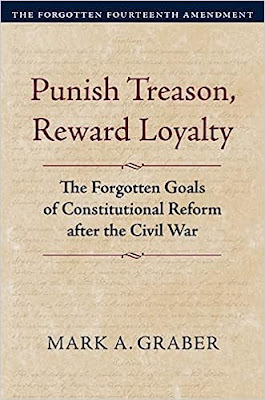
Mark A. Graber, Punish Treason, Reward Loyalty: The Forgotten Goals of Constitutional Reform after the Civil War (University of Kansas Press, 2023)
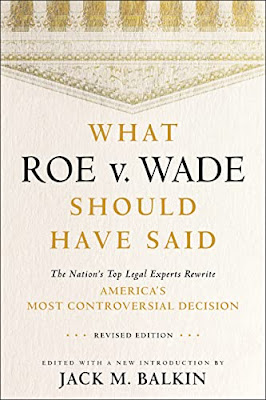
Jack M. Balkin, What Roe v. Wade Should Have Said: The Nation's Top Legal Experts Rewrite America's Most Controversial Decision - Revised Edition (NYU Press, 2023)

Andrew Koppelman, Burning Down the House: How Libertarian Philosophy Was Corrupted by Delusion and Greed (St. Martin’s Press, 2022)

Gerard N. Magliocca, Washington's Heir: The Life of Justice Bushrod Washington (Oxford University Press, 2022)

Joseph Fishkin and William E. Forbath, The Anti-Oligarchy Constitution: Reconstructing the Economic Foundations of American Democracy (Harvard University Press, 2022)
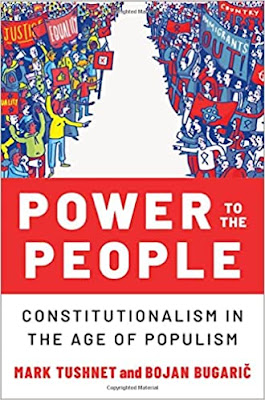
Mark Tushnet and Bojan Bugaric, Power to the People: Constitutionalism in the Age of Populism (Oxford University Press 2021).

Mark Philip Bradley and Mary L. Dudziak, eds., Making the Forever War: Marilyn B. Young on the Culture and Politics of American Militarism Culture and Politics in the Cold War and Beyond (University of Massachusetts Press, 2021).

Jack M. Balkin, What Obergefell v. Hodges Should Have Said: The Nation's Top Legal Experts Rewrite America's Same-Sex Marriage Decision (Yale University Press, 2020)

Frank Pasquale, New Laws of Robotics: Defending Human Expertise in the Age of AI (Belknap Press, 2020)

Jack M. Balkin, The Cycles of Constitutional Time (Oxford University Press, 2020)

Mark Tushnet, Taking Back the Constitution: Activist Judges and the Next Age of American Law (Yale University Press 2020).

Andrew Koppelman, Gay Rights vs. Religious Liberty?: The Unnecessary Conflict (Oxford University Press, 2020)

Ezekiel J Emanuel and Abbe R. Gluck, The Trillion Dollar Revolution: How the Affordable Care Act Transformed Politics, Law, and Health Care in America (PublicAffairs, 2020)

Linda C. McClain, Who's the Bigot?: Learning from Conflicts over Marriage and Civil Rights Law (Oxford University Press, 2020)
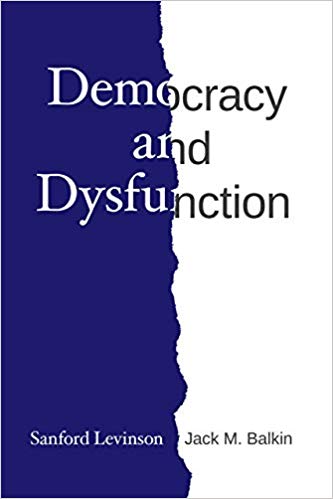
Sanford Levinson and Jack M. Balkin, Democracy and Dysfunction (University of Chicago Press, 2019)

Sanford Levinson, Written in Stone: Public Monuments in Changing Societies (Duke University Press 2018)

Mark A. Graber, Sanford Levinson, and Mark Tushnet, eds., Constitutional Democracy in Crisis? (Oxford University Press 2018)

Gerard Magliocca, The Heart of the Constitution: How the Bill of Rights became the Bill of Rights (Oxford University Press, 2018)

Cynthia Levinson and Sanford Levinson, Fault Lines in the Constitution: The Framers, Their Fights, and the Flaws that Affect Us Today (Peachtree Publishers, 2017)

Brian Z. Tamanaha, A Realistic Theory of Law (Cambridge University Press 2017)

Sanford Levinson, Nullification and Secession in Modern Constitutional Thought (University Press of Kansas 2016)

Sanford Levinson, An Argument Open to All: Reading The Federalist in the 21st Century (Yale University Press 2015)

Stephen M. Griffin, Broken Trust: Dysfunctional Government and Constitutional Reform (University Press of Kansas, 2015)

Frank Pasquale, The Black Box Society: The Secret Algorithms That Control Money and Information (Harvard University Press, 2015)

Bruce Ackerman, We the People, Volume 3: The Civil Rights Revolution (Harvard University Press, 2014)
Balkinization Symposium on We the People, Volume 3: The Civil Rights Revolution

Joseph Fishkin, Bottlenecks: A New Theory of Equal Opportunity (Oxford University Press, 2014)

Mark A. Graber, A New Introduction to American Constitutionalism (Oxford University Press, 2013)

John Mikhail, Elements of Moral Cognition: Rawls' Linguistic Analogy and the Cognitive Science of Moral and Legal Judgment (Cambridge University Press, 2013)

Gerard N. Magliocca, American Founding Son: John Bingham and the Invention of the Fourteenth Amendment (New York University Press, 2013)

Stephen M. Griffin, Long Wars and the Constitution (Harvard University Press, 2013)

Andrew Koppelman, The Tough Luck Constitution and the Assault on Health Care Reform (Oxford University Press, 2013)

James E. Fleming and Linda C. McClain, Ordered Liberty: Rights, Responsibilities, and Virtues (Harvard University Press, 2013)
Balkinization Symposium on Ordered Liberty: Rights, Responsibilities, and Virtues

Andrew Koppelman, Defending American Religious Neutrality (Harvard University Press, 2013)

Brian Z. Tamanaha, Failing Law Schools (University of Chicago Press, 2012)

Sanford Levinson, Framed: America's 51 Constitutions and the Crisis of Governance (Oxford University Press, 2012)

Linda C. McClain and Joanna L. Grossman, Gender Equality: Dimensions of Women's Equal Citizenship (Cambridge University Press, 2012)

Mary Dudziak, War Time: An Idea, Its History, Its Consequences (Oxford University Press, 2012)

Jack M. Balkin, Living Originalism (Harvard University Press, 2011)

Jason Mazzone, Copyfraud and Other Abuses of Intellectual Property Law (Stanford University Press, 2011)

Richard W. Garnett and Andrew Koppelman, First Amendment Stories, (Foundation Press 2011)

Jack M. Balkin, Constitutional Redemption: Political Faith in an Unjust World (Harvard University Press, 2011)

Gerard Magliocca, The Tragedy of William Jennings Bryan: Constitutional Law and the Politics of Backlash (Yale University Press, 2011)

Bernard Harcourt, The Illusion of Free Markets: Punishment and the Myth of Natural Order (Harvard University Press, 2010)

Bruce Ackerman, The Decline and Fall of the American Republic (Harvard University Press, 2010)
Balkinization Symposium on The Decline and Fall of the American Republic

Ian Ayres. Carrots and Sticks: Unlock the Power of Incentives to Get Things Done (Bantam Books, 2010)

Mark Tushnet, Why the Constitution Matters (Yale University Press 2010)

Ian Ayres and Barry Nalebuff: Lifecycle Investing: A New, Safe, and Audacious Way to Improve the Performance of Your Retirement Portfolio (Basic Books, 2010)
.jpg)
Jack M. Balkin, The Laws of Change: I Ching and the Philosophy of Life (2d Edition, Sybil Creek Press 2009)

Brian Z. Tamanaha, Beyond the Formalist-Realist Divide: The Role of Politics in Judging (Princeton University Press 2009)

Andrew Koppelman and Tobias Barrington Wolff, A Right to Discriminate?: How the Case of Boy Scouts of America v. James Dale Warped the Law of Free Association (Yale University Press 2009)

Jack M. Balkin and Reva B. Siegel, The Constitution in 2020 (Oxford University Press 2009)

Heather K. Gerken, The Democracy Index: Why Our Election System Is Failing and How to Fix It (Princeton University Press 2009)

Mary Dudziak, Exporting American Dreams: Thurgood Marshall's African Journey (Oxford University Press 2008)

David Luban, Legal Ethics and Human Dignity (Cambridge Univ. Press 2007)

Ian Ayres, Super Crunchers: Why Thinking-By-Numbers is the New Way to be Smart (Bantam 2007)

Jack M. Balkin, James Grimmelmann, Eddan Katz, Nimrod Kozlovski, Shlomit Wagman and Tal Zarsky, eds., Cybercrime: Digital Cops in a Networked Environment (N.Y.U. Press 2007)

Jack M. Balkin and Beth Simone Noveck, The State of Play: Law, Games, and Virtual Worlds (N.Y.U. Press 2006)

Andrew Koppelman, Same Sex, Different States: When Same-Sex Marriages Cross State Lines (Yale University Press 2006)

Brian Tamanaha, Law as a Means to an End (Cambridge University Press 2006)

Sanford Levinson, Our Undemocratic Constitution (Oxford University Press 2006)

Mark Graber, Dred Scott and the Problem of Constitutional Evil (Cambridge University Press 2006)

Jack M. Balkin, ed., What Roe v. Wade Should Have Said (N.Y.U. Press 2005)

Sanford Levinson, ed., Torture: A Collection (Oxford University Press 2004)
Balkin.com homepage
Bibliography
Conlaw.net
Cultural Software
Writings
Opeds
The Information Society Project
BrownvBoard.com
Useful Links
Syllabi and Exams
