Balkinization
an unanticipated consequence of
Jack M. Balkin
Balkinization Symposiums: A Continuing List
E-mail:
Jack Balkin:
jackbalkin at yahoo.com
Bruce Ackerman
bruce.ackerman at yale.edu
Ian Ayres
ian.ayres at yale.edu
Corey Brettschneider
corey_brettschneider at brown.edu
Mary Dudziak
mary.l.dudziak at emory.edu
Joey Fishkin
joey.fishkin at gmail.com
Heather Gerken heather.gerken at yale.edu
Abbe Gluck abbe.gluck at yale.edu
Mark Graber
mgraber at law.umaryland.edu
Stephen Griffin
sgriffin at tulane.edu
Jonathan Hafetz
jonathan.hafetz at shu.edu
Jeremy Kessler
jkessler at law.columbia.edu
Andrew Koppelman
akoppelman at law.northwestern.edu
Marty Lederman
msl46 at law.georgetown.edu
Sanford Levinson
slevinson at law.utexas.edu
David Luban
david.luban at gmail.com
Gerard Magliocca
gmaglioc at iupui.edu
Jason Mazzone
mazzonej at illinois.edu
Linda McClain
lmcclain at bu.edu
John Mikhail
mikhail at law.georgetown.edu
Frank Pasquale
pasquale.frank at gmail.com
Nate Persily
npersily at gmail.com
Michael Stokes Paulsen
michaelstokespaulsen at gmail.com
Deborah Pearlstein
dpearlst at yu.edu
Rick Pildes
rick.pildes at nyu.edu
David Pozen
dpozen at law.columbia.edu
Richard Primus
raprimus at umich.edu
K. Sabeel Rahmansabeel.rahman at brooklaw.edu
Alice Ristroph
alice.ristroph at shu.edu
Neil Siegel
siegel at law.duke.edu
David Super
david.super at law.georgetown.edu
Brian Tamanaha
btamanaha at wulaw.wustl.edu
Nelson Tebbe
nelson.tebbe at brooklaw.edu
Mark Tushnet
mtushnet at law.harvard.edu
Adam Winkler
winkler at ucla.edu
Compendium of posts on Hobby Lobby and related cases
The Anti-Torture Memos: Balkinization Posts on Torture, Interrogation, Detention, War Powers, and OLC
The Anti-Torture Memos (arranged by topic)
Recent Posts
Mother of Mercy, Is This the End of FISA?!*
![[Powered by Blogger]](https://lh3.googleusercontent.com/blogger_img_proxy/AEn0k_te7CxweQwlAvMYVNuRX6bfNENP8XEkuAg-t4aiNtboiN_XKQVAHWoBceZa8w7KOCCZTzYCEnS3-lrzd5eguOW6GML0VuWmnUgbFN7bQ7NW=s0-d)
Just A Few Blogs
ACS Blog
Alas, a Blog
Althouse
Arts and Letters Daily
Atrios (Eschaton)
Bill of Health
Buzzflash.com
Buzz Machine
Cato at Liberty
Juan Cole (Informed Comment)
Concurring Opinions
The Constitution in 2020
Corrente
Crooked Timber
Daily Howler
Daily Kos
Dana Boyd
Brad DeLong
Digby (Hullabaloo)
Discriminations
Daniel Drezner
Kevin Drum (Mother Jones)
Electrolite
En Banc
Eunomia (Daniel Larison)
Fafblog
Michael Froomkin (Discourse.net)
GovLab (Beth Noveck)
Rick Hasen (Election Law)
History News Network
How Appealing
Ignatz (Sam Heldman)
The Importance of (Ernie Miller)
Infolaw
Instapundit
International Economic Law and Policy Blog
IntLawGrrls
Jacob Levy
Jesus' General
Jurisdynamics
The Kitchen Cabinet
Mark Kleiman
Law Blog Central
Larry Lessig
Lawyers, Guns and Money
Liberal Oasis
Brian Leiter's Law School Reports
The Leiter Reports
Marginal Revolution
Megan McArdle
Memeorandum
Metafilter
Mirror of Justice
The New Republic
Newseum
No More Mister Nice Blog
Brendan Nyhan
Opinio Juris
Orcinus
The Originalism Blog
Pandagon
Passport (Foreign Policy)
Overcoming Bias
Political Animal (Washington Monthly)
Political Theory Daily Review
Political Wire (Taegan Goddard)
The Poor Man
Virginia Postrel
Prawfsblawg
Public Reason
Jonathan Rauch
Raw Story
Redstate
ReligiousLeftLaw.com
Reporters Committee For Freedom of the Press
Reproductive Rights Blog
Rothman's Roadmap to the Right of Publicity
SCOTUS Blog
Seeing the Forest
Clay Shirky
The Shifted Librarian
The Situationist
Larry Solum (Legal Theory)
Andrew Sullivan
Talking Points Memo
Talk Left
Tapped
Tbogg
TechPresident
The Paper Chase (Jurist)
Tom Paine
Tom Tomorrow (This Modern World)
Eve Tushnet
Uggabugga
University of Chicago Law School Faculty Blog
Unqualified Offerings
The Volokh Conspiracy
War and Piece (Laura Rozen)
Wampum
Oliver Willis
Wonkette
Written Description
Matthew Yglesias
Yin
Your Choice of Feeds
1. XML
powered by

2. Atom Feed
3. RSS 2.0
Mother of Mercy, Is This the End of FISA?!*
Marty Lederman
*Hat tip: Edward G. Robinson.
The Washington Post reports today about legislation drafted by Senator Specter to respond to the NSA/FISA imbroglio. The Post makes it sound as if Senator Specter would be clamping down on the Administration:The federal government would have to obtain permission from a secret court to continue a controversial form of surveillance, which the National Security Agency now conducts without warrants, under a bill being proposed by Senate Judiciary Committee Chairman Arlen Specter (R-Pa.). Specter's proposal would bring the four-year-old NSA program under the authority of the court created by the 1978 Foreign Intelligence Surveillance Act. The federal government would have to obtain permission from a secret court to continue a controversial form of surveillance, which the National Security Agency now conducts without warrants.
Although that might be technically true, the notion that the Specter bill would "bring the four-year-old NSA program under the authority of the [FISA] court" obscures what's so significant about the Specter bill -- namely, that it would bring the program "under the authority of the court" by providing statutory authorization for a program that is currently illegal.
The draft legislation isn't at all what Senator Specter has been talking about in recent weeks -- namely, a bill to facilitate judicial review of the legality of the current NSA docmestic surveillance program. This bill would appear to do absolutely nothing to address whether the current and ongoing program(s) is (are) permisisble under current law -- that is to say, it would not seek to facilitate judicial review of the AUMF and Article II arguments on which the Administration is relying.
As Glenn Greenwald notes, it is "disorientingly bizarre to hear about a proposed law requiring FISA warrants for eavesdropping because we already have a law in place which does exactly that. It's called FISA. That's the law the Administration has been deliberately breaking because they think they don't have to comply with it and that Congress has no power to make them."
But the Specter draft is even more alarming than Glenn suggests. According to Glenn, the Specter draft would "require[] (again) that the NSA program be conducted only within the FISA framework."
As I read the draft bill, however, this is wrong. It's not simply a a reenactment of the "FISA framework" -- instead, it's a wholesale dismantling of that framework, a substantive amendment to FISA that would vastly increase the surveillance authority of the President. It would give the Executive branch everything it has always wanted, and much more: The punishment for having broken the law with impunity would be a wholesale repeal of the law that has governed electronic surveillance for almost 30 years (and not only with respect to Al Qaeda or terrorism). In one fell swoop, the Specter legislation would undo the detailed regulatory scheme that both political branches have so carefully calibrated over more than a quarter-century.
A word of caution: I've barely had time to review the draft closely, and so perhaps I'm missing something significant. These comments are necessarily tentative and preliminary. But on first glance, this seems to be the major impact of the Specter bill:
Under FISA, in order for the federal government to engage in electronic surveillance targeted at someone here in the U.S. -- i.e., at phone calls and e-mails going out of the U.S. -- there must be probable cause that the person targeted is a foreign power or an agent of a foreign power. See 50 U.S.C. 1805(a)(3). The Specter bill would go much, much further. Under that bill, it would not be necessary for the NSA to show that either party to an intercepted phone call or e-mail has anything to do with Al Qaeda or any other terrorist organization. It would not even be necessary for the government to show probable cause -- or reason to believe, or any evidence -- that etiher party to the call or e-mail is a foreign power, an agent of a foreign power, or even associated with a foreign power.
Instead, the bill would permit domestic electronic surveillance targeted at U.S. persons merely upon a showing of "probable cause" that the surveillance program as a whole -- not even the particular targeted surveillance -- will intercept communications of anyone who has "had communication" with a foreign power or agent of a foreign power, as long as the government is seeking to monitor or detect that foreign power (or agent)! (See the new section 704: The standard for the FISA Court's review of the application is whether "there is probable cause to believe that the electronic surveillance program will intercept communications of the foreign power or agent of a foreign power specified in the application, or a person who has had communication with the foreign power or agent of a foreign power specified in the application.")
This is breathtakingly broad because the pre-existing definitions of "foreign power" and "agent of foreign power," which would not be changed, include not only terrorist organizations, but all components of a foreign government, all foreign-based political organizations, and all non-U.S. persons acting in the U.S. as agents of such govenrments and organizations.
Therefore, if I'm reading it correctly, if you've ever had any communication with a foreign government or organization, or its U.S. agents or employees -- that is to say, if there's "probable cause" that you live and breathe here in the U.S. -- this bill would permit the President to wiretap you indefinitely, without any showing that any of your phone calls have anything to do with a foreign entity, let alone Al Qaeda. [UPDATE: Not quite indefinitely. "Continuous" surveillance could only last 90 days, after which the NSA would have to obtain a traditional FISA order, or perhaps merely skip a day and start the surveillance anew, so that it's not "continuous" for more than 90 days.]
In other words, there would no longer be any meaningful substantive statutory restriction on the federal government's electronic domestic surveillance of U.S. persons -- the end of FISA as we know it. The only check would be an odd constitutional check: The FISA court would be required to certify that the program as a whole (again, not any particular surveillance) is "consistent with" the Fourth Amendment. This would, if I'm not mistaken, bring us right back to the pre-FISA days, when the Fourth Amendment was the only legal constraint on domestic electronic surveillance by the federal government. To be sure, under the Specter bill the Fourth Amemdent bona fides would have to be approved in advance, by the FISA court. But the proceedings would be secret, and ex parte. Moreover, the FISA Court could not possibly review the surveillance for, e.g., the "particularity" that the Fourth Amendment requires, because the FISA Court would be tasked not with determining whether any particular interception is constutitional, but somehow with making "wholesale" determinations that the program writ large is "consistent with" the Constitution. That seems untenable, at least on first glance.
If I'm reading this draft correctly, it goes far, far beyond what has been proposed by those, such as Richard Posner and Phillip Bobbitt, who think that FISA is outmoded and needs radical updating.
Moreover, the requirements of FISA Court approval in the Specter bill would be limited to the substance of communications -- and would expressly exclude interception of information identifying sender, recipient, date or time of the communication. See section 702(d)(2). Thus, I think it could be read to implicitly authorize all "data mining," without FISA court approval, of the latter category of information, which is currently covered by FISA at least some of the time. And it would appear not to include any of the prophylactic measures that Jack identified as necessary to ensure that such a data-mining program is constitutionally acceptable.
As Glenn describes it, reading of the Specter bill "is somewhat like hearing that a life-long, chronic bank-robber got arrested for robbing a bank over the weekend and, in response, a Senator introduces legislation to make it a crime to rob banks." I don't think that's quite right -- in fact, it's like hearing that a lifelong, chronic bankrobber was arrested for robbing a bank over the weekend and, in response, a Senator introduces legislation to make it lawful to rob banks. (Well, with all respect to Glenn, the bank-robbing analogy isn't the best, because the conduct in question here is not as inherently wrongful as grand theft. But the Specter initiative does respond to wanton illegality with a bill to make the conduct lawful.)
It may be that I'm misreading the bill. I hope so. I'd very much welcome comments showing why I'm wrong. (And I should note that the draft is said to be a work in progress -- it's possible that it does not currently reflect what Senator Specter wishes to accomplish.) [UPDATE: Glenn G. points out that the bill would give the FISA Court the authority not only to evaluate a "program" under the Fourth Amendment, but also to "consider the benefits" of the program "as reflected by the foreign intelligence information obtained." See proposed section 704(b)(3). That is a very odd provision. Insofar as it would give the FISA Court the power to reject surveillance because of the court's simple disagreement with the Administration that the "benefits" were worth the intrusion on privacy -- in Glenn's words, "vest[ing] the FISA court with rather broad discretion to approve or reject the eavesdropping programs submitted by the Administration" -- it would be of dubious constitutionality: It's not the role of an Article III court to be second-guessing the policy choices of the Executive branch. If, on the other hand, the FISA Court is to consider the "benefits" only as a component of its evaluation of the constitutional question -- e.g., considering an NSA "special needs" argument under the Fourth Amendment by looking, in part, at how necessary the surveillance is -- it's probably not unconstitutional; but in that case, the "consider the benefits" provision wouldn't provide the FISA Court with any discretionary authority to nix a surveillance program merely because it doesn't like the smell of it.]
So what's the alternative? How about this: A statute that facilitates prompt judicial review of the legality under current law of the NSA programs. Let's get a prompt Supreme Court evaluation of the current lay of the law and the land -- and only then should we begin the careful evaluation of how FISA might be amended to take account of the needs of the current conflict with Al Qaeda.
Posted
11:06 AM
by Marty Lederman [link]

1) The proposed law does not seem to make any distinction between international and purely domestic communications. In other words, it would seem to allow a much broader warrantless surveillance program than the one we've been talking about for the last two months.
2) While the statute requires the Attorney General to explain in his application to the FISC why it is necessary to circumvent the normal FISA warrant procedure, it provides no standards for the court to use in judging whether the reason provided is a good one. What if the AG simply says that FISA's "probable cause" standard is too exacting? Is that a good enough reason?
3) I didn't see anything in the bill that would prevent information procured through these warrantless surveillance programs from being used in a subsequent application for a FISA warrant. As I understand it, the FISC has imposed that limitation on its own. If this legislation were passed, even that minimal protection would be called into question.
However, the essential problem of passing any bill like this at the present is that it does nothing to prevent the president from simply disregarding this law in the future. Any such bill needs to be tied to at *least* a public presidential disavowal of the power to override such a bill (though impeachment proceedings and a resolution of censure are really what should be done this doesn't seem politically feasable)..
I think the point was that Specter's bill says and does nothing about the previous and continuing violations of existing law. It's one thing to change the law in the future, it's another altogether to reward the Administration for its felonies. And as logicnazi points out, why will Bush obey this law if he felt free to ignore the existing one?
I think ML is right that one segment of Specter's proposed reconstituted FISA law, as described, is a retroactive hold harmless for the program(s) already underway; both congress chambers held closed door briefings on these in their intelligence and government ops oversight committees in the past two weeks. Specter also seems to be tossing it to Congress to add protections such as identifying how Congress will oversee officials who design and utilize templates overlain on the data during datamining; I can imaging the AG demurring that this would be to micromanage, cumbersomely.
And, as JkB observed in the linked article here in December, there will need to be protections of archived data, though it is unspecified whether Specter has included such provisions in his draft.
The ex parte briefings present in the Specter draft continue to be a worrisome construct; I had the impression that the DeWine measure might add conceptually to that component; and I would expect DeWine to have coordinated in the caucus with Specter to plan which elements each senator would emphasize; and, as JkB's worrisome post on this site a week ago observed, perhaps going so far as to include a conference committee strategy whereby the safeguards would be stripped before voting the final measure out of committee. Basically the plan seems to be Specter's plenary forgiveness and loosening of control, the essence being the administration must believe whatever Specter proposes is going to pass fairly intact.
I can only answer for myself, but I think it's pretty easy to separate your 2 questions. The program may or may not be important to national security -- there aren't enough public details to know if it is or isn't -- but I certainly wouldn't take Jane Harman's word for it. If it IS that important, and if it's consistent with the 4th A, then I don't have any problem amending FISA. Assuming, of course, that any amendment protects against abuses.
To me, though, the whole "this is an important program" rhetoric misses the salient point: that the Administration not only broke the law for 4 years, but lied about that fact to conceal the violations. Adherence to the rule of law is so vitally important to the US system of government that the national security issue pales in comparison. It is far more important to affirm the rule of law than to pass any particular amendment to FISA.
In fact, the current rush to amend FISA makes the Administration's actions to date even more reprehensible. It discouraged previous amendments on the ground that they were unnecessary. It claimed that Congress would not agree to amendments. If amendments are necessary, and if Congress does agree to them, then the previous felonies become even more disturbing, if that's possible.
You present a false dichotomy when you talk about litigating the status quo instead of amending FISA. It's possible to do both at once. But if Congress amends FISA without enforcing penalties for the previous violations, it will do far more damage to our country than Osama bin Laden did or can.
I think it's important to deal with the violations first, if only because that reaffirms what I consider the crucial principle. If Congress changes the law as the first step, the risk is that the violations will be overlooked or even considered retroactively approved. It's not logically necessary to proceed that way, but it probably is psychologically necessary.
I'll chalk that one up to hyperbole, as you can't seriously believe that.
I absolutely do believe it. The rule of law is on the VERY short list of bedrock principles for this country. Bush's contempt for that principle subtantially undermines a core American value. Bin Laden can't do that.
I have no idea how you could reach that conclusion from my posts. In a word, no.
My view is that if Congress fails to address the Administration's repeated and continuing violations of FISA, then that failure will do more damage to America than bin Laden. I say that because the Administration's contempt for the rule of law undercuts a core American value.
As for amending FISA, I don't have enough information to know if that's a good idea or not. Assuming it is, I'd prefer the amendment to come after the Administration pays a political price for its felonies. That, however, is less important to me than the fact that it pay such a price.
Let me just restate this to say that my highest priority is to affirm the rule of law against what I perceive to be a deliberate flouting of that. IMO, standing for certain values, this among them, takes precedence.
Article 1, Section 9 reads: No Bill of Attainder or ex post facto Law shall be passed.
Beyond the fundamentally criminal nature of these activities -- they crossed that line a long time ago -- what about the scope of their "listening in?" Rove, Cheney, Hadley, Cambone, Bolton, and the rest . . . Does anyone truly believe these boys are strictly targeting "known terrorists and their asssociates?" Please!
Cara mengobati kanker dengan herbal, Cara mengobati kanker dengan tradisional, Cara mengobati kanker dengan alami, Cara mengobati kanker dengan cepat, Cara mengobati kanker stadium 3, Cara mengobati kanker stadium 4, Cara mengobati kanker stadium awal, Cara mengobati kanker stadium 2, Cara mengobati kanker stadium akhir, Cara mengobati kanker tanpa ke dokter, Gambar obat kanker yang ampuh, Gambar obat kanker yang ampuh, Obat kanker ampuh dengan singkong, Cara mengobati kanker stadium awal tanpa operasi, Obat kanker manjur dari tumbuhan, Cara mengobati kanker stadium 1 tanpa operasi, Obat kanker ampuh dengan daun sirsak, Cara mengobati kanker stadium 2 tanpa operasi, Obat kanker paling mujarab yang efektif, Cara mengobati kanker stadium 3 tanpa operasi, Cara mengobati kanker stadium 3, Cara mengobati kanker stadium 4 tanpa operasi, Obat kanker paling manjur 2016, Cara mengobati kanker stadium akhir tanpa operasi, Pengobatan kanker mujarab tanpa operasi, Cara pengobatan kanker yang manjur, Pengobatan kanker manjur dan aman, Cara pengobatan kanker yang mujarab, Cara pengobatan kanker tanpa operasi, Cara pengobatan kanker yang ampuh, Obat kanker mujarab tanpa operasi, Obat kanker manjur tanpa operasi, Obat De Nature

Obat sipilis raja singa paling ampuh
obat sipilis amoxicillin
obat sipilis adalah
obat sipilis atau raja singa
obat sipilis apa
obat sipilis anjuran dokter
obat sipilis apa ya
obat sifilis akut
obat sipilis apa namanya
obat alami sipilis pada pria
obat antibiotik sipilis di apotik
obat sifilis ampuh
apa obat sipilis
obat sifilis apotek
obat sifilis adalah
obat sifilis atau raja singa
Cara paling ampuh mengobati kutil kelamin
pengobatan ampuh kutil kelamin pada wanita
obat kutil kelamin yang ada di apotik
obat kutil kelamin yg dijual di apotik
obat kutil di kemaluan wanita
pengobatan kutil kelamin pada pria
pengobatan penyakit kutil kelamin pada pria
obat penyakit kutil pada kelamin pria
Pengobatan kutil kelamin aman dan tanpa operasi
obat kutil pada alat kelamin pria
pengobatan kutil kelamin
Obat herpes zoster tradisional
Obat herpes untuk ibu hamil
Obat herpes ampuh
Obat herpes untuk anak
Obat herpes mulut
Obat herpes tradisional yang ampuh
Obat herpes selain acyclovir
Obat herpes di wajah
Obat herpes alami
Obat herpes di leher
Obat salep buat kutil kelamin
Obat cina kutil kelamin
Cuka obat kutil kelamin
Obat cina untuk kutil kelamin
Obat cina penghilang kutil kelamin
Obat china untuk kutil kelamin
Obat kutil di kelamin pria
Obat tradisional kutil di kelamin
Obat kutil di daerah kelamin
Obat untuk menghilangkan kutil di kelamin
Obat sipilis
Obat sipilis Yang manjur
obat sipilis denature indonesia
Obat sipilis resep dokter
Obat sipilis paling manjur
Obat sipilis pada wanita
Obat sipilis paling ampuh
Obat sipilis manjur
Obat sipilis ampuh
Obat sipilis atau raja singa
Obat sipilis herbal
Obat sipilis murah
Obat sipilis anjuran dokter
Obat sipilis apa namanya
Obat sipilis dijual di apotik
Obat alami sipilis pada pria
Obat sifilis ampuh
Obat sipilis buat wanita
Obat sipilis bagi wanita
Obat buat sipilis
Obat kutil di sekitar kelamin
Obat farmasi untuk kutil kelamin
Obat generik untuk kutil kelamin
Obat kutil kelamin imiquimod
Jual obat kutil kelamin
Jual obat kutil kelamin murah
Obat kutil kelamin yg di jual di apotik
Jual obat penghilang kutil kelamin
Obat kimia kutil kelamin
Obat kutil kelamin/jengger ayam
Obat kutil kelamin paling murah
Obat kutil kelamin dari dalam
Obat antibiotik kutil kelamin
Obat kutil kelamin yang dijual di apotik
Beli obat kutil kelamin di apotik
Nama obat kutil kelamin di apotek
Obat kutil kelamin yang tersedia di apotik
Obat kutil kelamin tradisional
Obat kutil kelamin
Obat kutil kelamin wanita
Obat kutil kelamin di apotik
Obat kutil kelamin mujarab
http://oplosanobatkutilkelamin.blogspot.com/
http://www.smaboy.com/u/obatkutil
http://tinyblogs.net/u/obatkutil/
http://tinyblogs.net/u/obatkutil/
http://obatkutil.over-blog.com/
http://obatkutilkelamin-tradisional.jimdo.com/
http://www.lautanindonesia.com/blog/obatkutilkelamindanjenggerayam/
http://obatkutilmanjur.weebly.com/
http://obatkutilampuh.livejournal.com/
http://obatkutilkelamintradisional123.blogdetik.com/
http://obatkutil12345.edublogs.org/
http://pengobatankutil.blog.planetbiru.com/
http://obatkutil.freeblog.biz/
http://batkutil.blog.com/
Pengobatan kencing nanah atau gonore manjur
Obat kencing nanah pada pria
Obat kencing nanah pada pria di apotik
Obat kencing nanah di apotik
Obat kencing nanah di apotek
Obat kencing nanah herbal
Obat kencing nanah yang ada di apotik
Obat kencing nanah di apotik kimia farma
Obat kencing nanah yang di jual di apotik
Obat kencing nanah dari dokter
Obat kencing nanah ampuh
Obat kencing nanah kaskus
Obat kencing nanah surabaya
Obat kencing nanah jogja
Obat kencing nanah yang tersedia di apotik
Obat kencing nanah apotek
Obat kencing nanah yang ada di apotek
Cara mengobati sipilis atau gonore (GO)
Cara pengobatan kencing nanah dan sipilis
Obat kutil di sekitar kelamin
Obat farmasi untuk kutil kelamin
Obat generik untuk kutil kelamin
Obat kutil kelamin imiquimod
Jual obat kutil kelamin
Jual obat kutil kelamin murah
Obat kutil kelamin yg di jual di apotik
Jual obat penghilang kutil kelamin
Obat kimia kutil kelamin
Obat kutil kelamin/jengger ayam
Obat kutil kelamin paling murah
Obat kutil kelamin dari dalam
Obat antibiotik kutil kelamin
Obat kutil kelamin yang dijual di apotik
Beli obat kutil kelamin di apotik
Nama obat kutil kelamin di apotek
Obat kutil kelamin yang tersedia di apotik
Obat kutil kelamin tradisional
Obat kutil kelamin
Obat kutil kelamin wanita
Obat kutil kelamin di apotik
Obat kutil kelamin mujarab
http://oplosanobatkutilkelamin.blogspot.com/
http://www.smaboy.com/u/obatkutil
http://tinyblogs.net/u/obatkutil/
http://tinyblogs.net/u/obatkutil/
Cari obat sipilis
Contoh obat sipilis
http://agusus1.blogspot.com/
http://agusyafii.blogspot.com/
http://amateursexxxx.blogspot.co.id/
Obat jengger ayam
obat jengger ayam pada wanita
obat jengger ayam pada anus
obat jengger ayam di anus
obat jengger ayam hitam
obat sakit jengger ayam
obat penyakit jengger ayam pada pria
obat penghilang jengger ayam
harga obat jengger ayam
obat apotik jengger ayam
obat dokter jengger ayam
obat herbal untuk jengger ayam
obat penyakit kulit jengger ayam
Cara mengobati jengger ayam ampuh
Cara paling ampuh mengobati gonore atau kencing nanah
nama obat gonore di apotek
obat oral gonore
obat gonore propolis
obat gonore pdf
obat penyakit gonore
obat paten gonore
obat penderita gonore
resep obat penyakit gonore
obat cina penyakit gonore
obat dari penyakit gonore
Cari obat sipilis
Contoh obat sipilis
http://agusus1.blogspot.com/
http://agusyafii.blogspot.com/
http://amateursexxxx.blogspot.co.id/
Obat jengger ayam
obat jengger ayam pada wanita
obat jengger ayam pada anus
obat jengger ayam di anus
obat jengger ayam hitam
obat sakit jengger ayam
obat penyakit jengger ayam pada pria
obat penghilang jengger ayam
harga obat jengger ayam
obat apotik jengger ayam
obat dokter jengger ayam
obat herbal untuk jengger ayam
obat penyakit kulit jengger ayam
Cara mengobati jengger ayam ampuh
Cara paling ampuh mengobati gonore atau kencing nanah
nama obat gonore di apotek
obat oral gonore
obat gonore propolis
obat gonore pdf
obat penyakit gonore
obat paten gonore
obat penderita gonore
resep obat penyakit gonore
obat cina penyakit gonore
obat dari penyakit gonore
Obat herpes untuk bayi
Obat herpes untuk ibu hamil
Obat herpes ampuh
Obat herpes untuk anak
Obat herpes mulut
Pengobatan herbal kutil kelamin wanita
pengobatan ampuh kutil kelamin pada wanita
obat kutil kelamin yang ada di apotik
obat kutil kelamin yg dijual di apotik
obat kutil di kemaluan wanita
pengobatan kutil kelamin pada pria
pengobatan penyakit kutil kelamin pada pria
obat penyakit kutil pada kelamin pria
Pengobatan kutil kelamin aman dan tanpa operasi
obat kutil pada alat kelamin pria
pengobatan kutil kelamin
pengobatan kutil kelamin pada pria dan wanita
pengobatan kutil kelamin pria
pengobatan kutil kelamin wanita
pengobatan kutil kelamin dengan cuka apel
pengobatan kutil kelamin di anus
Cara mengobati kutil di kelamin wanita hamil
pengobatan kutil kelamin di bandung
Cara mengobati jengger ayam dan kutil kelamin
obat kutil kelamin
Obat wasir herbal tanpa operasi
Obat wasir herbal stadium 4 tanpa operasi
Cara mengobati wasir dan ambeien
Obat kutil di sekitar kelamin
Obat farmasi untuk kutil kelamin
Obat generik untuk kutil kelamin
Obat kutil kelamin imiquimod
Jual obat kutil kelamin
Jual obat kutil kelamin murah
Obat kutil kelamin yg di jual di apotik
Jual obat penghilang kutil kelamin
Obat kimia kutil kelamin
Kapur sirih untuk obat kutil kelamin
Obat kutil kelamin medis
Obat menghilangkan kutil kelamin
Obat kutil kelamin tradisional
Obat kutil kelamin
Obat kutil kelamin wanita
Obat kutil kelamin di apotik
Obat kutil kelamin untuk ibu hamil
Obat kutil kelamin untuk wanita
Obat kutil kelamin mujarab
Obat kutil kelamin di anus
Obat kutil kelamin/jengger ayam
Obat kutil kelamin paling murah
obat gonore pada ibu hamil
obat gonore tradisional
obat gonore tenggorokan
obat gonore paling efektif
obat gonore pada wanita
obat gonore atau kencing nanah
obat alternatif gonore
obat gonore yang ampuh
obat gonore yg ampuh
obat gonore yang paling ampuh
obat gonore yang dijual di apotik
obat buat gonore
obat bakteri gonore
obat paten penyakit gonore
obat herbal untuk penyakit gonore
obat antibiotik untuk penyakit gonore
obat tradisional untuk penyakit gonore
resep obat gonore
ramuan obat gonore
obat sakit gonore
obat suntik gonore
obat untuk sakit gonore
supertetra obat gonore
obat alami sembuhkan gonore
obat gonore tradisional
obat gonore terbaik
obat gonore terbaru
obat gonore tangerang
Obat herpes tradisional yang ampuh
Obat herpes zoster
Obat herpes kulit
Obat herpes simplex
Obat herpes genital
Obat herpes di apotik
Obat herpes kulit di apotik
Obat herpes untuk bayi
Obat herpes untuk ibu hamil
Obat herpes ampuh
Obat herpes untuk anak
Obat herpes mulut
Pengobatan herbal kutil kelamin wanita
pengobatan ampuh kutil kelamin pada wanita
obat kutil kelamin yang ada di apotik
obat kutil kelamin yg dijual di apotik
obat kutil di kemaluan wanita
pengobatan kutil kelamin pada pria
pengobatan penyakit kutil kelamin pada pria
obat penyakit kutil pada kelamin pria
Pengobatan kutil kelamin aman dan tanpa operasi
obat kutil pada alat kelamin pria
pengobatan kutil kelamin
pengobatan kutil kelamin pada pria dan wanita
pengobatan kutil kelamin pria
pengobatan kutil kelamin wanita
pengobatan kutil kelamin dengan cuka apel
pengobatan kutil kelamin di anus
Cara mengobati kutil di kelamin wanita hamil
pengobatan kutil kelamin di bandung
Cara mengobati jengger ayam dan kutil kelamin
obat kutil kelamin
Obat wasir herbal tanpa operasi
Obat wasir herbal stadium 4 tanpa operasi
Cara mengobati wasir dan ambeien
Pengobatan ambeien keluar benjolan tanpa operasi
Pengobatan wasir stadium 4 tanpa operasi
Obat wasir untuk ibu setelah melahirkan
Obat wasir tradisional yang ampuh
Cara ampuh atasi wasir pada wanita
Obat yang bagus untuk wasir
Obat wasir aman buat ibu hamil
Obat wasir aman ibu menyusui
Obat wasir untuk ibu habis melahirkan
Obat de nature khusus untuk wasir stdium 4
Cara mengobati wasir tana perlu operasi
Pengobatan wasir dan ambeien mujarab
Pengobatan wasir tanpa operasi
Obat wasir dan ambeien stadium 4
Obat penyakit wasir herbal De Nature
Obat untuk wasir pada ibu hamil
Cara mengobati wasir yang parah tanpa operasi
Obat ambeien tradisional
Obat wasir herbal De Nature
Obat wasir ambeclear
Obat wasir alami
Obat wasir ambeven
Obat wasir berdarah
Obat wasir ampuh
Obat wasir untuk ibu hamil
Obat wasir ardium
Obat wasir ampuh di apotik
Obat wasir luar
Obat wasir paling ampuh
obat kanker serviks tradisional jawa sumatera
Obat kanker serviks tradisional sumatera
Obat kanker serviks tradisional kalimantan
obat kanker serviks tradisional herbal jawa
obat kanker serviks tradisional herbal jawa sumatera
obat kanker serviks tradisional herbal sumatera
obat kanker serviks tradisional herbal suku pedalaman
obat kanker serviks tradisional herbal suku pedalaman sumatra
Obat kanker serviks tradisional herbal suku jawa
obat kanker serviks tradisional herbal s
obat kanker serviks tradisional herbal suku minang
obat kanker serviks tradisional herbal suku sunda
Obat kanker serviks tradisional herbal suku irian
obat kanker serviks tradisional herbal suku dayak
obat kanker serviks tradisional herbal suku kubu
obat tradisional kanker serviks suku
obat kanker serviks tradisional herbal suku bugis
obat herbal herpes genital dompo
obat herbal herpes genital dompo simplex
Books by Balkinization Bloggers

Gerard N. Magliocca, The Actual Art of Governing: Justice Robert H. Jackson's Concurring Opinion in the Steel Seizure Case (Oxford University Press, 2025)

Linda C. McClain and Aziza Ahmed, The Routledge Companion to Gender and COVID-19 (Routledge, 2024)

David Pozen, The Constitution of the War on Drugs (Oxford University Press, 2024)

Jack M. Balkin, Memory and Authority: The Uses of History in Constitutional Interpretation (Yale University Press, 2024)
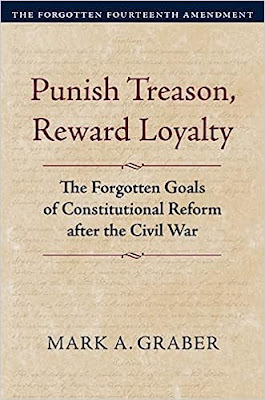
Mark A. Graber, Punish Treason, Reward Loyalty: The Forgotten Goals of Constitutional Reform after the Civil War (University of Kansas Press, 2023)
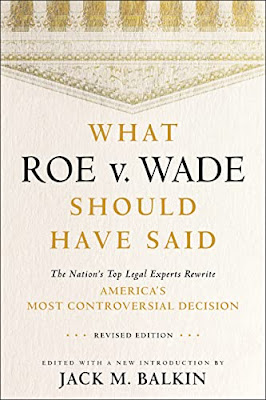
Jack M. Balkin, What Roe v. Wade Should Have Said: The Nation's Top Legal Experts Rewrite America's Most Controversial Decision - Revised Edition (NYU Press, 2023)

Andrew Koppelman, Burning Down the House: How Libertarian Philosophy Was Corrupted by Delusion and Greed (St. Martin’s Press, 2022)

Gerard N. Magliocca, Washington's Heir: The Life of Justice Bushrod Washington (Oxford University Press, 2022)
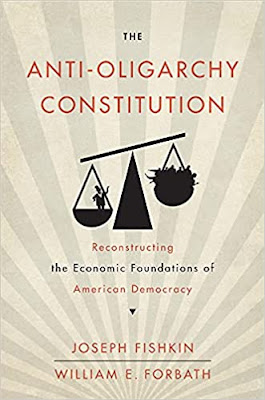
Joseph Fishkin and William E. Forbath, The Anti-Oligarchy Constitution: Reconstructing the Economic Foundations of American Democracy (Harvard University Press, 2022)
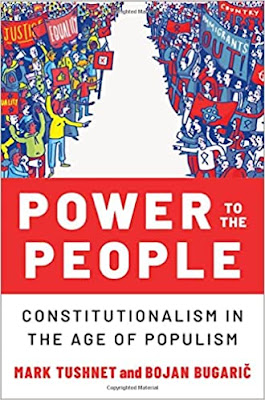
Mark Tushnet and Bojan Bugaric, Power to the People: Constitutionalism in the Age of Populism (Oxford University Press 2021).

Mark Philip Bradley and Mary L. Dudziak, eds., Making the Forever War: Marilyn B. Young on the Culture and Politics of American Militarism Culture and Politics in the Cold War and Beyond (University of Massachusetts Press, 2021).

Jack M. Balkin, What Obergefell v. Hodges Should Have Said: The Nation's Top Legal Experts Rewrite America's Same-Sex Marriage Decision (Yale University Press, 2020)

Frank Pasquale, New Laws of Robotics: Defending Human Expertise in the Age of AI (Belknap Press, 2020)

Jack M. Balkin, The Cycles of Constitutional Time (Oxford University Press, 2020)

Mark Tushnet, Taking Back the Constitution: Activist Judges and the Next Age of American Law (Yale University Press 2020).

Andrew Koppelman, Gay Rights vs. Religious Liberty?: The Unnecessary Conflict (Oxford University Press, 2020)

Ezekiel J Emanuel and Abbe R. Gluck, The Trillion Dollar Revolution: How the Affordable Care Act Transformed Politics, Law, and Health Care in America (PublicAffairs, 2020)

Linda C. McClain, Who's the Bigot?: Learning from Conflicts over Marriage and Civil Rights Law (Oxford University Press, 2020)
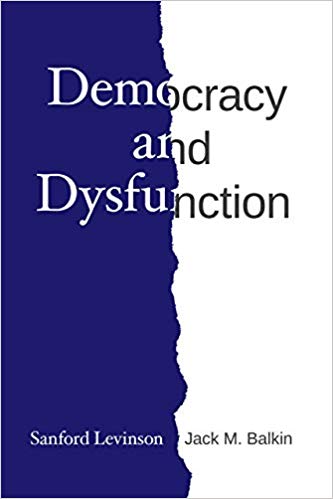
Sanford Levinson and Jack M. Balkin, Democracy and Dysfunction (University of Chicago Press, 2019)

Sanford Levinson, Written in Stone: Public Monuments in Changing Societies (Duke University Press 2018)

Mark A. Graber, Sanford Levinson, and Mark Tushnet, eds., Constitutional Democracy in Crisis? (Oxford University Press 2018)

Gerard Magliocca, The Heart of the Constitution: How the Bill of Rights became the Bill of Rights (Oxford University Press, 2018)

Cynthia Levinson and Sanford Levinson, Fault Lines in the Constitution: The Framers, Their Fights, and the Flaws that Affect Us Today (Peachtree Publishers, 2017)

Brian Z. Tamanaha, A Realistic Theory of Law (Cambridge University Press 2017)

Sanford Levinson, Nullification and Secession in Modern Constitutional Thought (University Press of Kansas 2016)

Sanford Levinson, An Argument Open to All: Reading The Federalist in the 21st Century (Yale University Press 2015)

Stephen M. Griffin, Broken Trust: Dysfunctional Government and Constitutional Reform (University Press of Kansas, 2015)

Frank Pasquale, The Black Box Society: The Secret Algorithms That Control Money and Information (Harvard University Press, 2015)

Bruce Ackerman, We the People, Volume 3: The Civil Rights Revolution (Harvard University Press, 2014)
Balkinization Symposium on We the People, Volume 3: The Civil Rights Revolution

Joseph Fishkin, Bottlenecks: A New Theory of Equal Opportunity (Oxford University Press, 2014)

Mark A. Graber, A New Introduction to American Constitutionalism (Oxford University Press, 2013)

John Mikhail, Elements of Moral Cognition: Rawls' Linguistic Analogy and the Cognitive Science of Moral and Legal Judgment (Cambridge University Press, 2013)

Gerard N. Magliocca, American Founding Son: John Bingham and the Invention of the Fourteenth Amendment (New York University Press, 2013)

Stephen M. Griffin, Long Wars and the Constitution (Harvard University Press, 2013)

Andrew Koppelman, The Tough Luck Constitution and the Assault on Health Care Reform (Oxford University Press, 2013)

James E. Fleming and Linda C. McClain, Ordered Liberty: Rights, Responsibilities, and Virtues (Harvard University Press, 2013)
Balkinization Symposium on Ordered Liberty: Rights, Responsibilities, and Virtues

Andrew Koppelman, Defending American Religious Neutrality (Harvard University Press, 2013)

Brian Z. Tamanaha, Failing Law Schools (University of Chicago Press, 2012)

Sanford Levinson, Framed: America's 51 Constitutions and the Crisis of Governance (Oxford University Press, 2012)

Linda C. McClain and Joanna L. Grossman, Gender Equality: Dimensions of Women's Equal Citizenship (Cambridge University Press, 2012)

Mary Dudziak, War Time: An Idea, Its History, Its Consequences (Oxford University Press, 2012)

Jack M. Balkin, Living Originalism (Harvard University Press, 2011)

Jason Mazzone, Copyfraud and Other Abuses of Intellectual Property Law (Stanford University Press, 2011)

Richard W. Garnett and Andrew Koppelman, First Amendment Stories, (Foundation Press 2011)

Jack M. Balkin, Constitutional Redemption: Political Faith in an Unjust World (Harvard University Press, 2011)

Gerard Magliocca, The Tragedy of William Jennings Bryan: Constitutional Law and the Politics of Backlash (Yale University Press, 2011)

Bernard Harcourt, The Illusion of Free Markets: Punishment and the Myth of Natural Order (Harvard University Press, 2010)

Bruce Ackerman, The Decline and Fall of the American Republic (Harvard University Press, 2010)
Balkinization Symposium on The Decline and Fall of the American Republic

Ian Ayres. Carrots and Sticks: Unlock the Power of Incentives to Get Things Done (Bantam Books, 2010)

Mark Tushnet, Why the Constitution Matters (Yale University Press 2010)

Ian Ayres and Barry Nalebuff: Lifecycle Investing: A New, Safe, and Audacious Way to Improve the Performance of Your Retirement Portfolio (Basic Books, 2010)
.jpg)
Jack M. Balkin, The Laws of Change: I Ching and the Philosophy of Life (2d Edition, Sybil Creek Press 2009)

Brian Z. Tamanaha, Beyond the Formalist-Realist Divide: The Role of Politics in Judging (Princeton University Press 2009)

Andrew Koppelman and Tobias Barrington Wolff, A Right to Discriminate?: How the Case of Boy Scouts of America v. James Dale Warped the Law of Free Association (Yale University Press 2009)

Jack M. Balkin and Reva B. Siegel, The Constitution in 2020 (Oxford University Press 2009)

Heather K. Gerken, The Democracy Index: Why Our Election System Is Failing and How to Fix It (Princeton University Press 2009)

Mary Dudziak, Exporting American Dreams: Thurgood Marshall's African Journey (Oxford University Press 2008)

David Luban, Legal Ethics and Human Dignity (Cambridge Univ. Press 2007)

Ian Ayres, Super Crunchers: Why Thinking-By-Numbers is the New Way to be Smart (Bantam 2007)

Jack M. Balkin, James Grimmelmann, Eddan Katz, Nimrod Kozlovski, Shlomit Wagman and Tal Zarsky, eds., Cybercrime: Digital Cops in a Networked Environment (N.Y.U. Press 2007)

Jack M. Balkin and Beth Simone Noveck, The State of Play: Law, Games, and Virtual Worlds (N.Y.U. Press 2006)

Andrew Koppelman, Same Sex, Different States: When Same-Sex Marriages Cross State Lines (Yale University Press 2006)

Brian Tamanaha, Law as a Means to an End (Cambridge University Press 2006)

Sanford Levinson, Our Undemocratic Constitution (Oxford University Press 2006)

Mark Graber, Dred Scott and the Problem of Constitutional Evil (Cambridge University Press 2006)

Jack M. Balkin, ed., What Roe v. Wade Should Have Said (N.Y.U. Press 2005)

Sanford Levinson, ed., Torture: A Collection (Oxford University Press 2004)
Balkin.com homepage
Bibliography
Conlaw.net
Cultural Software
Writings
Opeds
The Information Society Project
BrownvBoard.com
Useful Links
Syllabi and Exams
