Balkinization
an unanticipated consequence of
Jack M. Balkin
Balkinization Symposiums: A Continuing List
E-mail:
Jack Balkin:
jackbalkin at yahoo.com
Bruce Ackerman
bruce.ackerman at yale.edu
Ian Ayres
ian.ayres at yale.edu
Corey Brettschneider
corey_brettschneider at brown.edu
Mary Dudziak
mary.l.dudziak at emory.edu
Joey Fishkin
joey.fishkin at gmail.com
Heather Gerken heather.gerken at yale.edu
Abbe Gluck abbe.gluck at yale.edu
Mark Graber
mgraber at law.umaryland.edu
Stephen Griffin
sgriffin at tulane.edu
Jonathan Hafetz
jonathan.hafetz at shu.edu
Jeremy Kessler
jkessler at law.columbia.edu
Andrew Koppelman
akoppelman at law.northwestern.edu
Marty Lederman
msl46 at law.georgetown.edu
Sanford Levinson
slevinson at law.utexas.edu
David Luban
david.luban at gmail.com
Gerard Magliocca
gmaglioc at iupui.edu
Jason Mazzone
mazzonej at illinois.edu
Linda McClain
lmcclain at bu.edu
John Mikhail
mikhail at law.georgetown.edu
Frank Pasquale
pasquale.frank at gmail.com
Nate Persily
npersily at gmail.com
Michael Stokes Paulsen
michaelstokespaulsen at gmail.com
Deborah Pearlstein
dpearlst at yu.edu
Rick Pildes
rick.pildes at nyu.edu
David Pozen
dpozen at law.columbia.edu
Richard Primus
raprimus at umich.edu
K. Sabeel Rahmansabeel.rahman at brooklaw.edu
Alice Ristroph
alice.ristroph at shu.edu
Neil Siegel
siegel at law.duke.edu
David Super
david.super at law.georgetown.edu
Brian Tamanaha
btamanaha at wulaw.wustl.edu
Nelson Tebbe
nelson.tebbe at brooklaw.edu
Mark Tushnet
mtushnet at law.harvard.edu
Adam Winkler
winkler at ucla.edu
Compendium of posts on Hobby Lobby and related cases
The Anti-Torture Memos: Balkinization Posts on Torture, Interrogation, Detention, War Powers, and OLC
The Anti-Torture Memos (arranged by topic)
Recent Posts
Padilla
![[Powered by Blogger]](https://lh3.googleusercontent.com/blogger_img_proxy/AEn0k_uHHBTamAAQEG1-FTPzH1G3xpUqtQ69FkVYp229A9C7pZ_qH_B-ZExS7jl5YEHHr0Kjco1vDHOazI5Xj9ccuSGq0-XEif-cvvYBY1FBmAg2=s0-d)
Just A Few Blogs
ACS Blog
Alas, a Blog
Althouse
Arts and Letters Daily
Atrios (Eschaton)
Bill of Health
Buzzflash.com
Buzz Machine
Cato at Liberty
Juan Cole (Informed Comment)
Concurring Opinions
The Constitution in 2020
Corrente
Crooked Timber
Daily Howler
Daily Kos
Dana Boyd
Brad DeLong
Digby (Hullabaloo)
Discriminations
Daniel Drezner
Kevin Drum (Mother Jones)
Electrolite
En Banc
Eunomia (Daniel Larison)
Fafblog
Michael Froomkin (Discourse.net)
GovLab (Beth Noveck)
Rick Hasen (Election Law)
History News Network
How Appealing
Ignatz (Sam Heldman)
The Importance of (Ernie Miller)
Infolaw
Instapundit
International Economic Law and Policy Blog
IntLawGrrls
Jacob Levy
Jesus' General
Jurisdynamics
The Kitchen Cabinet
Mark Kleiman
Law Blog Central
Larry Lessig
Lawyers, Guns and Money
Liberal Oasis
Brian Leiter's Law School Reports
The Leiter Reports
Marginal Revolution
Megan McArdle
Memeorandum
Metafilter
Mirror of Justice
The New Republic
Newseum
No More Mister Nice Blog
Brendan Nyhan
Opinio Juris
Orcinus
The Originalism Blog
Pandagon
Passport (Foreign Policy)
Overcoming Bias
Political Animal (Washington Monthly)
Political Theory Daily Review
Political Wire (Taegan Goddard)
The Poor Man
Virginia Postrel
Prawfsblawg
Public Reason
Jonathan Rauch
Raw Story
Redstate
ReligiousLeftLaw.com
Reporters Committee For Freedom of the Press
Reproductive Rights Blog
Rothman's Roadmap to the Right of Publicity
SCOTUS Blog
Seeing the Forest
Clay Shirky
The Shifted Librarian
The Situationist
Larry Solum (Legal Theory)
Andrew Sullivan
Talking Points Memo
Talk Left
Tapped
Tbogg
TechPresident
The Paper Chase (Jurist)
Tom Paine
Tom Tomorrow (This Modern World)
Eve Tushnet
Uggabugga
University of Chicago Law School Faculty Blog
Unqualified Offerings
The Volokh Conspiracy
War and Piece (Laura Rozen)
Wampum
Oliver Willis
Wonkette
Written Description
Matthew Yglesias
Yin
Your Choice of Feeds
1. XML
powered by

2. Atom Feed
3. RSS 2.0
Padilla
Marty Lederman
The U.S. Court of Appeals for the Fourth Circuit (per Judge Luttig, joined by two Clinton appointees, Judges Michael and Traxler) today upheld the detention of Jose Padilla as having been authorized by Congress's September 2001 Authorization to Use Military Force (AUMF). (Thanks to Howard Bashman for the link.) A full account from Lyle Denniston can be found here.
To the extent actual legislative intent matters, I find it very difficult to believe that Congress actually "intended," through the AUMF, to authorize the indefinite detention of American citizens captured in the U.S. under circumstances such as those in the Padilla case: Would Congress truly have intended to supersede the ordinary civil justice system for U.S. citizens who are detained here at O'Hare Airport and suspected of conspiring to violate U.S. criminal laws, so as to authorize their indefinite detention -- that is, detention until the war against Al Qaeda ends -- without trial? I must concede, however, that it's very difficult to figure out how to challenge Judge Luttig's logic about why such a conclusion follows from the plurality decision in Hamdi (and from Quirin, to the extent one thinks that case should have any precedential value), once one accepts the following alleged "fact," on which Luttig places great emphasis:
The Government's explanation of why Padilla was detained -- and why he was an "enemy combatant" covered by the AUMF -- has been a constantly moving target. At first, Padilla was detained as a "material witness." Then, if I recall correctly, the Administration alleged that he was coming to the U.S. to study possible Al Qaeda targets -- in the President's own words, "Padilla engaged in conduct that constituted hostile and war-like acts, including conduct in preparation for acts of international terrorism." At one point, the Attorney General indicated that Padilla was detained as the alleged "dirty bomber" who was preparing to strike a U.S. city with a radiological dispersal device of some kind. Subsequently, the unclassified "Mobbs declaration" essentially reiterated this justification. Two years later, this justification morphed considerably during a press conference by Deputy AG James Comey, in which he said that Padilla's intended mission was the destruction of U.S. apartment buildings with natural gas. (If this chronolgy is wrong or incomplete, please let me know.)
Most recently, however, the Administration alleges (according to Judge Luttig) that Padilla fought on the actual battlefield in Afghanistan and that his detention at O'Hare therefore is an appropriate means of keeping him from returning to Afghanistan to fight. This strikes me as extremely counterfactual, but it looks as though that's the story the Administration is now pressing. And it's certainly the predicate on which today's decision is based. [UPDATE: The military's explanation is not quite as Judge Luttig describes it, as I discuss further in my next post.] Once one accepts that predicate -- and of course Padilla presumably will have some opportunity to challenge it -- as the court does for purposes of today's decision, then it becomes difficult to explain why Padilla ought to be treated differently from Hamdi. (If you think otherwise, please feel free to explain why in the Comments section.)
Even so, the panel had one more serious obstacle -- it had to distinguish away the Supreme Court's Nineteenth Century opinion in Ex parte Milligan. Here's what Judge Luttig writes:
Finally, Padilla argues that, even if his detention is authorized by the AUMF, it is unlawful under Ex parte Milligan, 71 U.S. (4 Wall.) 2 (1866). In Milligan, the Supreme Court held that a United States citizen associated with an anti-Union secret society but unaffiliated with the Confederate army could not be tried by a military tribunal while access to civilian courts was open and unobstructed. Id. at 6-7, 121. Milligan purported to restrict the power of Congress as well as the power of the President. Id. at 121-22 ("[N]o usage of war could sanction a military trial . . . for any offence whatever of a citizen in civil life, in nowise connected with the military service. Congress could grant no such power . . ."). Quirin, however, confirmed that Milligan does not extend to enemy combatants. As the Court in Quirin explained, the Milligan Court's reasoning had "particular reference to the facts before it," namely, that Milligan was not "a part of or associated with the armed forces of the enemy." See 317 U.S. at 45. The Hamdi plurality in turn reaffirmed this limitation on the reach of Milligan, emphasizing that Quirin, a unanimous opinion, "both postdates and clarifies Milligan." 124 S. Ct. at 2643. Thus confined, Milligan is inapposite here because Padilla, unlike Milligan, associated with, and has taken up arms against the forces of the United States on behalf of, an enemy of the United States.
So, here's the critical distinction: Both Padilla and Milligan allegedly took up arms against the U.S. But whereas Padilla -- not a member of Al Qaeda -- is alleged to have been "associated with" Al Qaeda, Milligan was "unaffiliated with the Confederate army," but was instead "merely" "associated with an anti-Union secret society."
It is, of course, preposterous to think that the Milligan decision actually turned on the fact that Milligan's affliations were with a secret society, sympathetic to the Confederacy, devoted to defeating the Union, rather than with the Confederate army itself. But, per Quirin, as construed in Hamdi, as construed in today's Padilla decision, that's apparently all that is left of the once-landmark Milligan ruling. [ADDENDUM: Eric Muller explains how Judge Luttig also fails to adequately distinguish the Court's decision in Ex Parte Endo.]
Posted
12:28 PM
by Marty Lederman [link]
Also, one of the really important facts in Quirin was that Congress had established a set of military tribunals. Here, in contrast, Congress had no such law (except to the extent that the Court Martial provisions of the Uniform Code of Military Justice applied), the Non-Detention Act was in place, the Writ of Habeas Corpus has not been suspended (and the Government is not arguing expressly that it has been) and the Patriot Act had recently been passed in which Congress set forth the conditions that it thought justified detaining suspected terrorists in light of 9-11 and roughly contemporaneously with the authorization of military force.
Every other court that has examined the case on the merits has concluded that Quirin is not controlling in this case.
Equally important, 4 Justices of the Supreme Court in the Padilla case itself held that he was entitled to release on the basis of the non-detention act, Scalia's opinion in Hamdi makes it clear that in his opinion Padilla is entitled to a criminal trial rather than a military detention, and the plurality opinion took great care to distinguish a battlefield detention from what happened in this case. Doesn't anyone recall the "blank check" language in the plurality decision in Hamdi? Battlefield detentions are not special because they involve people with a great propensity than non-battlefield terrorists to offend again, they are special because the mechanics of providing traditional due process are unworkable there. Also, because the plurality decision in Hamdi was a mere plurality, stare decisis does not compel Scalia to go along with it in Padilla's case.
In essence, what the 4th Circuit has done in this case, rather than being compelled by Quirin, is an adoption of the Thomas opinion in the Hamdi case, which was not joined by any other justice on the Supreme Court. The last time something like that happened, when the 5th Circuit basically defied the U.S. Supreme Court in a death penalty case and adopted the reasoning of a minority view of the court, the 5th Circuit was slapped down summarily by the U.S. Supreme Court.

One nit to a previous commentor. Congress did not authorize military tribunals for the defendants or WWII, rather, the act that authorized court-martials (prior to UCMJ) did not preclude the creation of tribunals.
1. There are differences between the AUMF and the Declaration of War in 1941.
2. Quirin referred to the lawfulness of the tribunal and not the detention. The authority for the detention is inferred by Luttig from a footnote in Quirin.
3. It ought to trouble the 4th Circuit (and I think it troubled the Supreme Court) that there is no definitive set of events that will signal the end of this war.
How much principle is worth one life? Three thousand fathers, mothers, sisters, husbands, brothers, wives were lost on 9/11. Mr. Padilla is not a scapegoat. Can you tell me he's innocent? Law that is not sword and shield, for the society which has enacted it, is insanity.
Anyway, question. The opinion noted Padilla stipulated to a lot of scary "facts" for the purpose of the ruling. The facts are not present in the district opinion, which has vanilla stuff about how he was captured that are not very damning at all.
Anyone know why things changed?
anderson: nope, no one ever does. its kind of like the "protect the children" argument - its an immediate bullshit cue. the one thing we must all remember is to retain useful ways to break with law, because nothing is more certain that the forms of law remain when all justice is gone. here, we see the shape and form of law, but no substance.
Teknisi Komputer
Cara Memperbaiki Komputer
Cara Memperbaiki Laptop
Cara Memperbaiki Motherboard Komputer
Cara Membuat Jaringan Komputer LAN
Cara Memperbaiki Motherboar Laptop
Cara Memperbaiki LD TV Rusak
http://androoms.blogspot.com/2014/07/3-aplikasi-edit-video-android-offline.html
http://androoms.blogspot.com/2014/08/cara-blokir-nomor-sms-di-hp-android.html
http://androoms.blogspot.com/2014/07/download-aplikasi-bbm-terbaru-untuk-hp.html
http://androoms.blogspot.com/2014/07/5-aplikasi-edit-foto-terbaik-android.html
http://androoms.blogspot.com/2014/07/download-aplikasi-facebook-untuk-hp.html
http://androoms.blogspot.com/2014/07/3-aplikasi-edit-video-android-offline.html
http://androoms.blogspot.com/2014/08/cara-blokir-nomor-sms-di-hp-android.html
http://androoms.blogspot.com/2014/07/download-aplikasi-bbm-terbaru-untuk-hp.html
http://androoms.blogspot.com/2014/07/5-aplikasi-edit-foto-terbaik-android.html
http://androoms.blogspot.com/2014/07/download-aplikasi-facebook-untuk-hp.html
Sepatu Kerja
Sepatu Terbaru
Jaket Wanita Terbaru
Jaket
Sepatu Wanita
Jaket Wanita
Sepatu Wedges
Sepatu Online
Fashion Wanita
Fashion Wanita
Cantik Alami | Fashion Terbaru | Diet Cara Alami | Info Kehamilan | Info Penyakit
I would like to thank you for the efforts you had made for
writing this awesome article.
Jaket Pria | Jaket Wanita Hoodie | Toko Sepatu | Sweater Keren | Sepatu Pantofel
Sweater Murah,
Jual Sepatu Pantofel , Sepatu Safety, Sepatu Kets Online, Sepatu Boots Wanita, Sepatu High Heels
1. Kata Mutiara
2. Kata bijak
3. kata cinta
4. kata indah
5. lagu barat
6. lagu barat romantis
7. lagu barat galau
8. cara berhenti merokok
Kemeja Pria
Kemeja Pria Terbaru
Jaket Pria
Jaket Online
Celana Jeans Pria
Pusat Kemeja
Visit Cara Kesehatan Kecantikan
I would like to thank you for the efforts you had made for
writing this awesome article.
http://www.putaran.com/
amazed to read this Tips seputar dunia properti
amazed to read this http://www.resepkuliner.info
http://www.desainrumahmini.com
http://info-smartphone-android.blogspot.com
http://www.homehoused.com
http://info-smartphone-android.blogspot.com/2015/05/download-aplikasi-bbm-untuk-android.html
http://info-smartphone-android.blogspot.com/2015/01/download-aplikasi-facebook-untuk-hp-android-gratis.html
http://www.sentrakesehatan.com/
http://fecebookan.blogspot.com/
http://fecebookan.blogspot.com/2015/08/download-aplikasi-dubsmash.html
http://fecebookan.blogspot.com/2015/02/download-aplikasi-play-store.html
http://fecebookan.blogspot.com/2015/02/aplikasi-download-video-pc-android.html
http://fecebookan.blogspot.com/2014/10/download-aplikasi-bbm.html
http://fecebookan.blogspot.com/2014/03/aplikasi-edit-foto.html
http://fecebookan.blogspot.com/2013/10/download-aplikasi-bbm-untuk-hp-android.html
http://fecebookan.blogspot.com/2013/07/download-aplikasi-facebook.html
http://itnet-padang.blogspot.com/
http://itnet-padang.blogspot.com/2013/06/download-aplikasi-bbm-untuk-hp-android.html
http://www.sentrakesehatan.com/2015/06/cara-menghilangkan-jerawat-batu-dengan-cepat.html
http://goo.gl/UVRsF2
http://fotocopypercetakanjakarta.blogspot.com/2015/06/normal-0-false-false-false-en-us-x-none.html
http://fotocopypercetakanjakarta.blogspot.com/2015/06/jasa-cetak-bulletin-murah-jakarta.html
http://fotocopypercetakanjakarta.blogspot.com/2015/05/jasa-cetak-buku-murah-rawamangun-jakarta.html
http://fotocopypercetakanjakarta.blogspot.com/2015/05/jasa-cetak-brosur-murah-di-rawamangun.html
http://fotocopypercetakanjakarta.blogspot.com/2015/02/cetak-kalender-dinding.html
Keep up the good work!
cara mengatasi kulit berminyak
cara menjaga kesehatan mata
cara menghilangkan panu
Obat kutil kelamin dari dalam
Obat antibiotik kutil kelamin
Obat kutil kelamin yang dijual di apotik
Beli obat kutil kelamin di apotik
Nama obat kutil kelamin di apotek
Obat kutil kelamin yang tersedia di apotik
Cuka apel obat kutil kelamin
Obat ampuh menghilangkan kutil kelamin
Obat alami menyembuhkan kutil kelamin
Obat apotek untuk kutil kelamin
Ace max's obat kutil kelamin
Cara ampuh mengobati jengger ayam tanpa kambuh lagi
Cara ampuh mengobati jengger ayam tanpa kambuh lagi
obat apotik jengger ayam
obat dokter jengger ayam
obat herbal untuk jengger ayam
obat penyakit kulit jengger ayam
obat untuk menghilangkan jengger ayam
obat untuk menghilangkan jengger ayam
obat penyakit jengger ayam alami
obat ampuh jengger ayam
obat antibiotik jengger ayam
obat alami untuk penyakit jengger ayam
obat ampuh penyakit jengger ayam
obat kutil atau jengger ayam
obat dokter penyakit jengger ayam
obat ampuh menyembuhkan gonore
obat ampuh menyembuhkan gonore
obat tetes mata gonore
madu obat gonore
obat tradisional untuk mengobati gonore
obat mujarab gonore
obat gonore paling manjur
obat tradisional menyembuhkan gonore
obat untuk mengobati gonore
merk obat gonore di apotik
macam2 obat gonore
nama obat gonore
Keep up the good work!
tamtowild.com
resep obat herpes
ramuan obat herpes
obat herpes kulit ringan
obat herpes selain acyclovir
obat herpes salep acyclovir
obat herpes secara alami
obat herpes sembuh total
obat herpes selangkangan
Obat kutil kelamin/jengger ayam
Obat kutil kelamin paling murah
Obat kutil kelamin dari dalam
Obat antibiotik kutil kelamin
Obat kutil kelamin yang dijual di apotik
Beli obat kutil kelamin di apotik
Nama obat kutil kelamin di apotek
Obat kutil kelamin yang tersedia di apotik
Cuka apel obat kutil kelamin
Obat ampuh menghilangkan kutil kelamin
Obat alami menyembuhkan kutil kelamin
Obat apotek untuk kutil kelamin
Apa obat untuk kutil kelamin
Obat alami untuk mengobati kutil kelamin
Obat kutil kelamin yang ada di apotik
Obat kutil kelamin bandung
Beli obat kutil kelamin
Dimana beli obat kutil kelamin
Obat kutil kelamin yang ada di apotik
Dimana beli obat kutil kelamin
Obat tradisional buat kutil kelamin
Beli obat kutil kelamin
Obat salep buat kutil kelamin
Www.obat kutil kelamin.com
Obat cina kutil kelamin
Cuka obat kutil kelamin
Obat cina untuk kutil kelamin
Obat cina penghilang kutil kelamin
Obat china untuk kutil kelamin
Obat kutil di kelamin pria
Obat tradisional kutil di kelamin
Obat kutil di daerah kelamin
Obat untuk menghilangkan kutil di kelamin
Obat dokter untuk kutil kelamin
Obat kutil di sekitar kelamin
Obat farmasi untuk kutil kelamin
Obat generik untuk kutil kelamin
Obat kutil kelamin imiquimod
Jual obat kutil kelamin
Jual obat kutil kelamin murah
Obat kutil kelamin yg di jual di apotik
Jual obat penghilang kutil kelamin
Obat sipilis raja singa paling ampuh
obat sipilis amoxicillin
obat sipilis adalah
obat sipilis atau raja singa
obat sipilis apa
obat sipilis anjuran dokter
obat sipilis apa ya
obat sifilis akut
obat sipilis apa namanya
obat alami sipilis pada pria
obat antibiotik sipilis di apotik
obat sifilis ampuh
apa obat sipilis
obat sifilis apotek
obat sifilis adalah
obat sifilis atau raja singa
Cara paling ampuh mengobati kutil kelamin
pengobatan ampuh kutil kelamin pada wanita
obat kutil kelamin yang ada di apotik
obat kutil kelamin yg dijual di apotik
obat kutil di kemaluan wanita
pengobatan kutil kelamin pada pria
pengobatan penyakit kutil kelamin pada pria
obat penyakit kutil pada kelamin pria
Pengobatan kutil kelamin aman dan tanpa operasi
obat kutil pada alat kelamin pria
pengobatan kutil kelamin
Obat herpes zoster tradisional
Obat herpes untuk ibu hamil
Obat herpes ampuh
Obat herpes untuk anak
Obat herpes mulut
Obat herpes tradisional yang ampuh
Obat herpes selain acyclovir
Obat herpes di wajah
Obat herpes alami
Obat herpes di leher
Obat salep buat kutil kelamin
Obat cina kutil kelamin
Cuka obat kutil kelamin
Obat cina untuk kutil kelamin
Obat cina penghilang kutil kelamin
Obat china untuk kutil kelamin
Obat kutil di kelamin pria
Obat tradisional kutil di kelamin
Obat kutil di daerah kelamin
Obat untuk menghilangkan kutil di kelamin
Obat sipilis
Obat sipilis Yang manjur
obat sipilis denature indonesia
Obat sipilis resep dokter
Obat sipilis paling manjur
Obat sipilis pada wanita
Obat sipilis paling ampuh
Obat sipilis manjur
Obat sipilis ampuh
Obat sipilis atau raja singa
Obat sipilis herbal
Obat sipilis murah
Obat sipilis anjuran dokter
Obat sipilis apa namanya
Obat sipilis dijual di apotik
Obat alami sipilis pada pria
Obat sifilis ampuh
Obat sipilis buat wanita
Obat sipilis bagi wanita
Obat buat sipilis
http://obatkutil.over-blog.com/
http://obatkutilkelamin-tradisional.jimdo.com/
http://www.lautanindonesia.com/blog/obatkutilkelamindanjenggerayam/
http://obatkutilmanjur.weebly.com/
http://obatkutilampuh.livejournal.com/
http://obatkutilkelamintradisional123.blogdetik.com/
http://obatkutil12345.edublogs.org/
http://pengobatankutil.blog.planetbiru.com/
http://obatkutil.freeblog.biz/
http://batkutil.blog.com/
Pengobatan kencing nanah atau gonore manjur
Obat kencing nanah pada pria
Obat kencing nanah pada pria di apotik
Obat kencing nanah di apotik
Obat kencing nanah di apotek
Obat kencing nanah herbal
Obat kencing nanah yang ada di apotik
Obat kencing nanah di apotik kimia farma
Obat kencing nanah yang di jual di apotik
Obat kencing nanah dari dokter
Obat kencing nanah ampuh
Obat kencing nanah kaskus
Obat kencing nanah surabaya
Obat kencing nanah jogja
Obat kencing nanah yang tersedia di apotik
Obat kencing nanah apotek
Obat kencing nanah yang ada di apotek
Cara mengobati sipilis atau gonore (GO)
Cara pengobatan kencing nanah dan sipilis
Obat kutil di sekitar kelamin
Obat farmasi untuk kutil kelamin
Obat generik untuk kutil kelamin
Obat kutil kelamin imiquimod
Jual obat kutil kelamin
Jual obat kutil kelamin murah
Obat kutil kelamin yg di jual di apotik
Jual obat penghilang kutil kelamin
Obat kimia kutil kelamin
Obat kutil kelamin/jengger ayam
Obat kutil kelamin paling murah
Obat kutil kelamin dari dalam
Obat antibiotik kutil kelamin
Obat kutil kelamin yang dijual di apotik
Beli obat kutil kelamin di apotik
Nama obat kutil kelamin di apotek
Obat kutil kelamin yang tersedia di apotik
Obat kutil kelamin tradisional
Obat kutil kelamin
Obat kutil kelamin wanita
Obat kutil kelamin di apotik
Obat kutil kelamin mujarab
http://oplosanobatkutilkelamin.blogspot.com/
http://www.smaboy.com/u/obatkutil
http://tinyblogs.net/u/obatkutil/
http://tinyblogs.net/u/obatkutil/
http://obatkutil.over-blog.com/
http://obatkutilkelamin-tradisional.jimdo.com/
http://www.lautanindonesia.com/blog/obatkutilkelamindanjenggerayam/
http://obatkutilmanjur.weebly.com/
http://obatkutilampuh.livejournal.com/
http://obatkutilkelamintradisional123.blogdetik.com/
http://obatkutil12345.edublogs.org/
http://pengobatankutil.blog.planetbiru.com/
http://obatkutil.freeblog.biz/
http://batkutil.blog.com/
Pengobatan kencing nanah atau gonore manjur
Obat kencing nanah pada pria
Obat kencing nanah pada pria di apotik
Obat kencing nanah di apotik
Obat kencing nanah di apotek
Obat kencing nanah herbal
Obat kencing nanah yang ada di apotik
Obat kencing nanah di apotik kimia farma
Obat kencing nanah yang di jual di apotik
Obat kencing nanah dari dokter
Obat kencing nanah ampuh
Obat kencing nanah kaskus
Obat kencing nanah surabaya
Obat kencing nanah jogja
Obat kencing nanah yang tersedia di apotik
Obat kencing nanah apotek
Obat kencing nanah yang ada di apotek
Cara mengobati sipilis atau gonore (GO)
Cara pengobatan kencing nanah dan sipilis
Tempat Wisata Di Kuningan
Tempat Wisata Alam Bandung
Tempat Wisata Di Tasikmalaya
Tempat Wisata Di Johor Bahru
Tempat Wisata Di Pacitan
Tempat Wisata Di Vietnam
Tempat Wisata Di Sumatera Barat
Tempat Wisata Di Australia
Tempat Wisata Di Sentul
Tempat Wisata Di Sulawesi Utara
Tempat Wisata Di Turki
Tempat Wisata Di Cirebon
Tempat Wisata Puncak
Tempat Wisata Di Batu Malang
Tempat Wisata Di Penang
Tempat Wisata Kuliner di Bandung
Tempat Wisata Di Hongkong
Nama Tempat Wisata Di Jakarta
Tempat Wisata Pantai di Indonesia
resep kue putu ayu cucur lidah kucing
Resep Kue Semprit Kojo Bolu Gulung
Resep Kue Kering Coklat Kacang Dahlia
Resep Kue Donat Bawang Tradisional
Resep Kue kukus Pukis Tart
Resep Kue Cubit Putri Salju Kering Coklat
Resep Kue Lapis Lumpur Lebaran
Aneka Resep Kue Kering Basah Nastar
Cara Alami Tradisional
findaunionprinter
findaunionprinter
getoifile
getdriversforpc
offlineinstallerfilehippo
theprinterdriver
esoftpedia
filehorse
caranddriver

pulau putri
pulau ayer
pulau pantara
pulau macan
pulau pelangi
pulau pari
pulau tidung
pulau bidadari
Cara Menghilangkan Jerawat beserta bekasnya
Cara Menghilangkan Jerawat membandel
Books by Balkinization Bloggers

Gerard N. Magliocca, The Actual Art of Governing: Justice Robert H. Jackson's Concurring Opinion in the Steel Seizure Case (Oxford University Press, 2025)

Linda C. McClain and Aziza Ahmed, The Routledge Companion to Gender and COVID-19 (Routledge, 2024)

David Pozen, The Constitution of the War on Drugs (Oxford University Press, 2024)

Jack M. Balkin, Memory and Authority: The Uses of History in Constitutional Interpretation (Yale University Press, 2024)
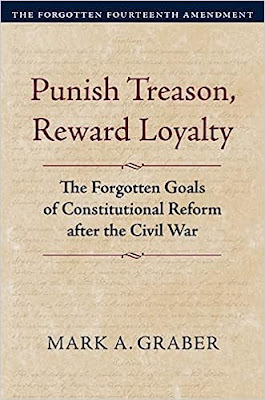
Mark A. Graber, Punish Treason, Reward Loyalty: The Forgotten Goals of Constitutional Reform after the Civil War (University of Kansas Press, 2023)
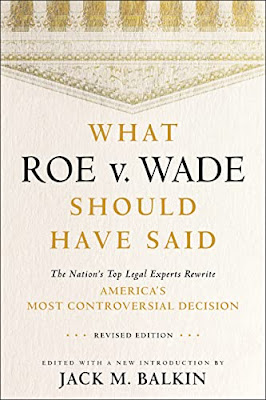
Jack M. Balkin, What Roe v. Wade Should Have Said: The Nation's Top Legal Experts Rewrite America's Most Controversial Decision - Revised Edition (NYU Press, 2023)

Andrew Koppelman, Burning Down the House: How Libertarian Philosophy Was Corrupted by Delusion and Greed (St. Martin’s Press, 2022)

Gerard N. Magliocca, Washington's Heir: The Life of Justice Bushrod Washington (Oxford University Press, 2022)
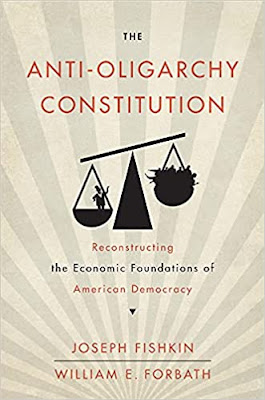
Joseph Fishkin and William E. Forbath, The Anti-Oligarchy Constitution: Reconstructing the Economic Foundations of American Democracy (Harvard University Press, 2022)
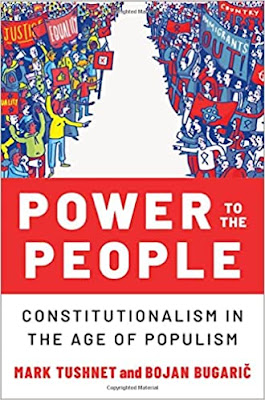
Mark Tushnet and Bojan Bugaric, Power to the People: Constitutionalism in the Age of Populism (Oxford University Press 2021).

Mark Philip Bradley and Mary L. Dudziak, eds., Making the Forever War: Marilyn B. Young on the Culture and Politics of American Militarism Culture and Politics in the Cold War and Beyond (University of Massachusetts Press, 2021).

Jack M. Balkin, What Obergefell v. Hodges Should Have Said: The Nation's Top Legal Experts Rewrite America's Same-Sex Marriage Decision (Yale University Press, 2020)

Frank Pasquale, New Laws of Robotics: Defending Human Expertise in the Age of AI (Belknap Press, 2020)

Jack M. Balkin, The Cycles of Constitutional Time (Oxford University Press, 2020)

Mark Tushnet, Taking Back the Constitution: Activist Judges and the Next Age of American Law (Yale University Press 2020).

Andrew Koppelman, Gay Rights vs. Religious Liberty?: The Unnecessary Conflict (Oxford University Press, 2020)

Ezekiel J Emanuel and Abbe R. Gluck, The Trillion Dollar Revolution: How the Affordable Care Act Transformed Politics, Law, and Health Care in America (PublicAffairs, 2020)

Linda C. McClain, Who's the Bigot?: Learning from Conflicts over Marriage and Civil Rights Law (Oxford University Press, 2020)
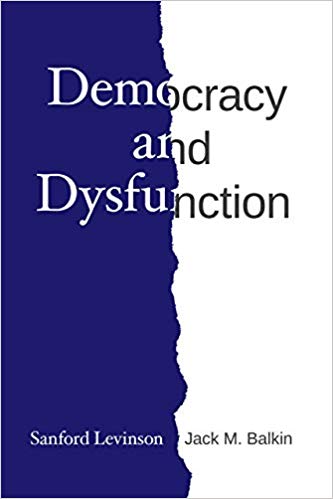
Sanford Levinson and Jack M. Balkin, Democracy and Dysfunction (University of Chicago Press, 2019)

Sanford Levinson, Written in Stone: Public Monuments in Changing Societies (Duke University Press 2018)

Mark A. Graber, Sanford Levinson, and Mark Tushnet, eds., Constitutional Democracy in Crisis? (Oxford University Press 2018)

Gerard Magliocca, The Heart of the Constitution: How the Bill of Rights became the Bill of Rights (Oxford University Press, 2018)

Cynthia Levinson and Sanford Levinson, Fault Lines in the Constitution: The Framers, Their Fights, and the Flaws that Affect Us Today (Peachtree Publishers, 2017)

Brian Z. Tamanaha, A Realistic Theory of Law (Cambridge University Press 2017)

Sanford Levinson, Nullification and Secession in Modern Constitutional Thought (University Press of Kansas 2016)

Sanford Levinson, An Argument Open to All: Reading The Federalist in the 21st Century (Yale University Press 2015)

Stephen M. Griffin, Broken Trust: Dysfunctional Government and Constitutional Reform (University Press of Kansas, 2015)

Frank Pasquale, The Black Box Society: The Secret Algorithms That Control Money and Information (Harvard University Press, 2015)

Bruce Ackerman, We the People, Volume 3: The Civil Rights Revolution (Harvard University Press, 2014)
Balkinization Symposium on We the People, Volume 3: The Civil Rights Revolution

Joseph Fishkin, Bottlenecks: A New Theory of Equal Opportunity (Oxford University Press, 2014)

Mark A. Graber, A New Introduction to American Constitutionalism (Oxford University Press, 2013)

John Mikhail, Elements of Moral Cognition: Rawls' Linguistic Analogy and the Cognitive Science of Moral and Legal Judgment (Cambridge University Press, 2013)

Gerard N. Magliocca, American Founding Son: John Bingham and the Invention of the Fourteenth Amendment (New York University Press, 2013)

Stephen M. Griffin, Long Wars and the Constitution (Harvard University Press, 2013)

Andrew Koppelman, The Tough Luck Constitution and the Assault on Health Care Reform (Oxford University Press, 2013)

James E. Fleming and Linda C. McClain, Ordered Liberty: Rights, Responsibilities, and Virtues (Harvard University Press, 2013)
Balkinization Symposium on Ordered Liberty: Rights, Responsibilities, and Virtues

Andrew Koppelman, Defending American Religious Neutrality (Harvard University Press, 2013)

Brian Z. Tamanaha, Failing Law Schools (University of Chicago Press, 2012)

Sanford Levinson, Framed: America's 51 Constitutions and the Crisis of Governance (Oxford University Press, 2012)

Linda C. McClain and Joanna L. Grossman, Gender Equality: Dimensions of Women's Equal Citizenship (Cambridge University Press, 2012)

Mary Dudziak, War Time: An Idea, Its History, Its Consequences (Oxford University Press, 2012)

Jack M. Balkin, Living Originalism (Harvard University Press, 2011)

Jason Mazzone, Copyfraud and Other Abuses of Intellectual Property Law (Stanford University Press, 2011)

Richard W. Garnett and Andrew Koppelman, First Amendment Stories, (Foundation Press 2011)

Jack M. Balkin, Constitutional Redemption: Political Faith in an Unjust World (Harvard University Press, 2011)

Gerard Magliocca, The Tragedy of William Jennings Bryan: Constitutional Law and the Politics of Backlash (Yale University Press, 2011)

Bernard Harcourt, The Illusion of Free Markets: Punishment and the Myth of Natural Order (Harvard University Press, 2010)

Bruce Ackerman, The Decline and Fall of the American Republic (Harvard University Press, 2010)
Balkinization Symposium on The Decline and Fall of the American Republic

Ian Ayres. Carrots and Sticks: Unlock the Power of Incentives to Get Things Done (Bantam Books, 2010)

Mark Tushnet, Why the Constitution Matters (Yale University Press 2010)

Ian Ayres and Barry Nalebuff: Lifecycle Investing: A New, Safe, and Audacious Way to Improve the Performance of Your Retirement Portfolio (Basic Books, 2010)
.jpg)
Jack M. Balkin, The Laws of Change: I Ching and the Philosophy of Life (2d Edition, Sybil Creek Press 2009)

Brian Z. Tamanaha, Beyond the Formalist-Realist Divide: The Role of Politics in Judging (Princeton University Press 2009)
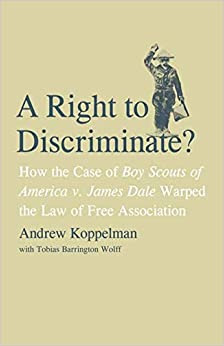
Andrew Koppelman and Tobias Barrington Wolff, A Right to Discriminate?: How the Case of Boy Scouts of America v. James Dale Warped the Law of Free Association (Yale University Press 2009)

Jack M. Balkin and Reva B. Siegel, The Constitution in 2020 (Oxford University Press 2009)

Heather K. Gerken, The Democracy Index: Why Our Election System Is Failing and How to Fix It (Princeton University Press 2009)

Mary Dudziak, Exporting American Dreams: Thurgood Marshall's African Journey (Oxford University Press 2008)

David Luban, Legal Ethics and Human Dignity (Cambridge Univ. Press 2007)

Ian Ayres, Super Crunchers: Why Thinking-By-Numbers is the New Way to be Smart (Bantam 2007)

Jack M. Balkin, James Grimmelmann, Eddan Katz, Nimrod Kozlovski, Shlomit Wagman and Tal Zarsky, eds., Cybercrime: Digital Cops in a Networked Environment (N.Y.U. Press 2007)
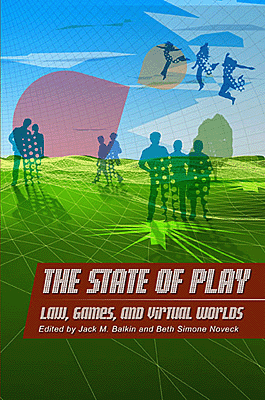
Jack M. Balkin and Beth Simone Noveck, The State of Play: Law, Games, and Virtual Worlds (N.Y.U. Press 2006)

Andrew Koppelman, Same Sex, Different States: When Same-Sex Marriages Cross State Lines (Yale University Press 2006)

Brian Tamanaha, Law as a Means to an End (Cambridge University Press 2006)

Sanford Levinson, Our Undemocratic Constitution (Oxford University Press 2006)

Mark Graber, Dred Scott and the Problem of Constitutional Evil (Cambridge University Press 2006)

Jack M. Balkin, ed., What Roe v. Wade Should Have Said (N.Y.U. Press 2005)

Sanford Levinson, ed., Torture: A Collection (Oxford University Press 2004)
Balkin.com homepage
Bibliography
Conlaw.net
Cultural Software
Writings
Opeds
The Information Society Project
BrownvBoard.com
Useful Links
Syllabi and Exams
